

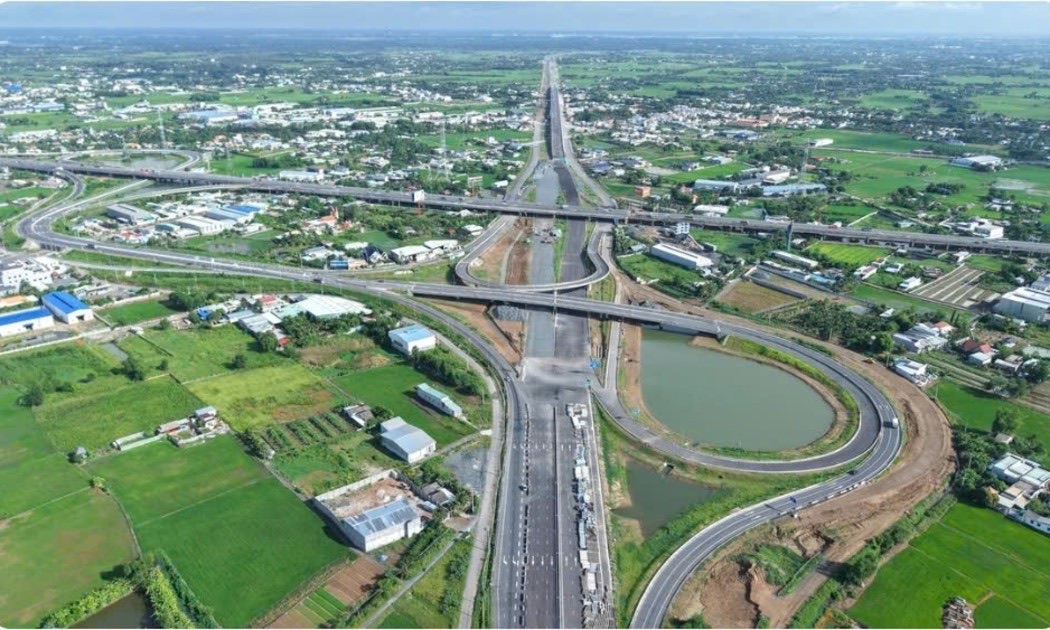
COVER STORYVOL. 01
Industry / EDITOR’S PICK
As factories, ports and cities become connected, location decisions take on new meaning. A road offers a different way to read industrial change.
Observations from the field. Considered perspectives. Explore Vietnam with people who keep looking closer.
As factories, ports and cities become connected, location decisions take on new meaning. A road offers a different way to read industrial change.
As factories, ports and cities become connected, location decisions take on new meaning. A road offers a different way to read industrial change.
From hiring priorities to daily communication, localization begins inside the organization.
Shelves, prices and opening hours reveal the everyday signals behind a market.
Separate scope, timing and implementation to build a practical reading framework.
Reliability, proximity and complementary capabilities shape the depth of a cluster.
Bring clear questions to factories, industrial parks and neighborhoods, and leave with comparable observations.
Try another keyword, or browse every topic.
You’ve reached the end of the sample collection
Frontend layout preview. Articles, authors and dates are examples; images are for local development only.
As factories, ports and cities become connected, location decisions take on new meaning. A road offers a different way to read industrial change.
Distance on a map is only one part of the business equation. The daily journey depends on departure times, connections and the reliability of each shipment.
To understand a new road, place industrial parks, residential areas, service providers and customers on the same map. Its value may come as much from coordination as from shorter travel times.
For a business considering Vietnam, the useful question is what connections its operations require. Examining supply, production and delivery together brings location decisions back to business fundamentals.
Sample excerpt for reviewing the reading layout. This is not a published article.
From hiring priorities to daily communication, localization begins inside the organization.
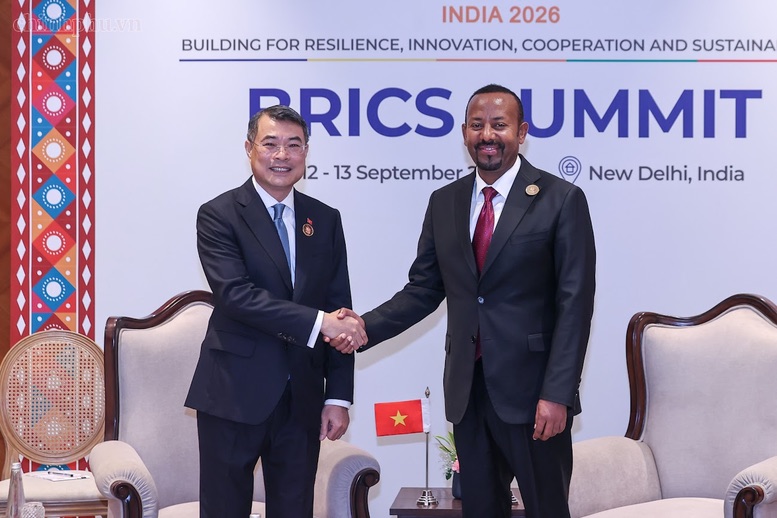
Early hires shape which problems a company sees first. Sales brings market feedback, operations understands delivery, and people and finance roles help establish basic routines. Responsibilities need clarity before every seat is filled.
Cross-language communication requires more than translation. Written goals, clear ownership and agreed feedback times can be more useful than another meeting. Simple routines help knowledge stay within the organization.
Sample excerpt for reviewing the reading layout. This is not a published article.
Shelves, prices and opening hours reveal the everyday signals behind a market.
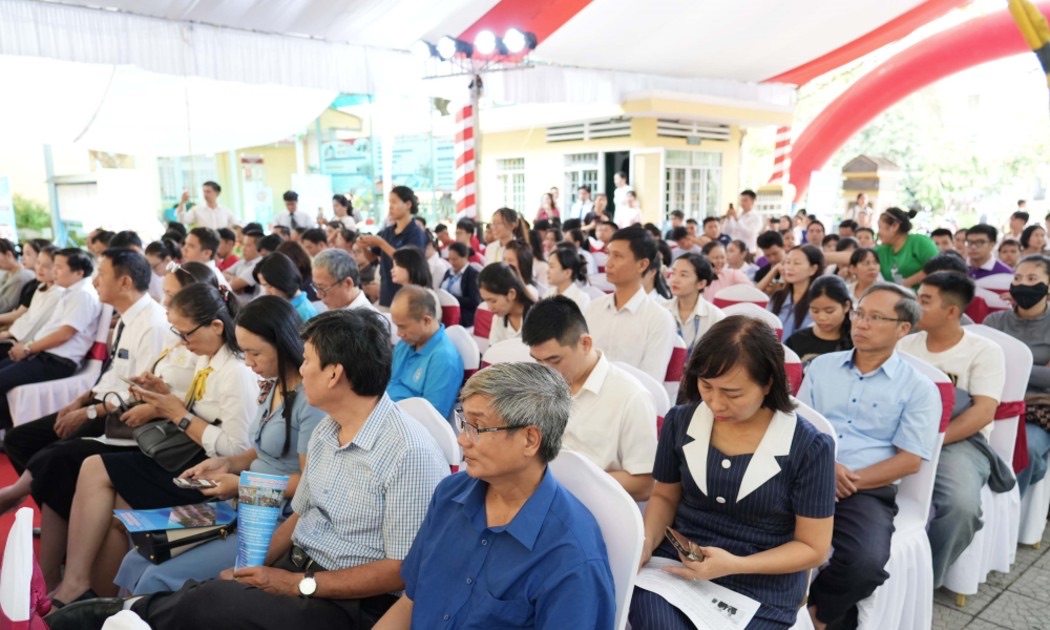
Different stores in the same neighborhood become busy at different times. Observing when customers arrive, what they buy and which pack sizes they choose offers a direct view of everyday habits.
A new brand needs to test how its product fits a specific occasion. Commuting, lunch breaks and household shopping offer distinct starting points for hypotheses that can be checked in stores.
Sample excerpt for reviewing the reading layout. This is not a published article.
Separate scope, timing and implementation to build a practical reading framework.

Begin with three questions: who is covered, when does it take effect, and which routines could change? Mapping these questions to existing operations is more useful than remembering the headline alone.
Keep a separate record of open questions, together with the document version, issuing body and date. This sample demonstrates the reading layout and makes no claims about a specific regulation.
Sample excerpt for reviewing the reading layout. This is not a published article.
Reliability, proximity and complementary capabilities shape the depth of a cluster.

A supplier directory is a starting point. It cannot alone establish capacity, dependable lead times or quality communication. The depth of a supply chain is revealed through repeated collaboration.
Map critical steps and distinguish those with reliable alternatives, those dependent on a single source, and those requiring long-term development. This map is often more useful than a headline count.
Sample excerpt for reviewing the reading layout. This is not a published article.
Bring clear questions to factories, industrial parks and neighborhoods, and leave with comparable observations.
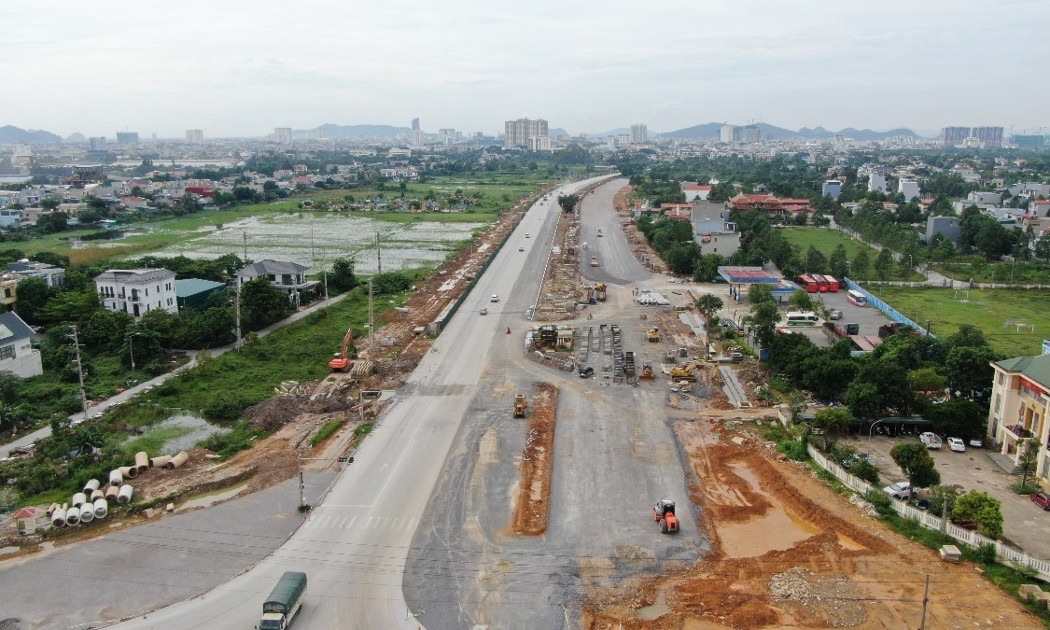
A first visit need not cover every city. Write down three questions to validate, then choose people and places around them. This makes time for focused conversations.
Leave time each day to separate facts, interpretations and open questions. Reviewing each visit against the same questions shows what has changed and what still needs checking.
Sample excerpt for reviewing the reading layout. This is not a published article.