ASEAN Advances Power Grid Links, Considers Shared Oil Reserves
ASEAN’s 11 member states have signed a memorandum of understanding to strengthen cooperation on the ASEAN Power Grid. Philippine President Ferdinand Marcos Jr. said on November 17 that the agreement provides a basis for advancing regional grid connections. Some member states are also considering a shared oil reserve mechanism to address supply disruptions.

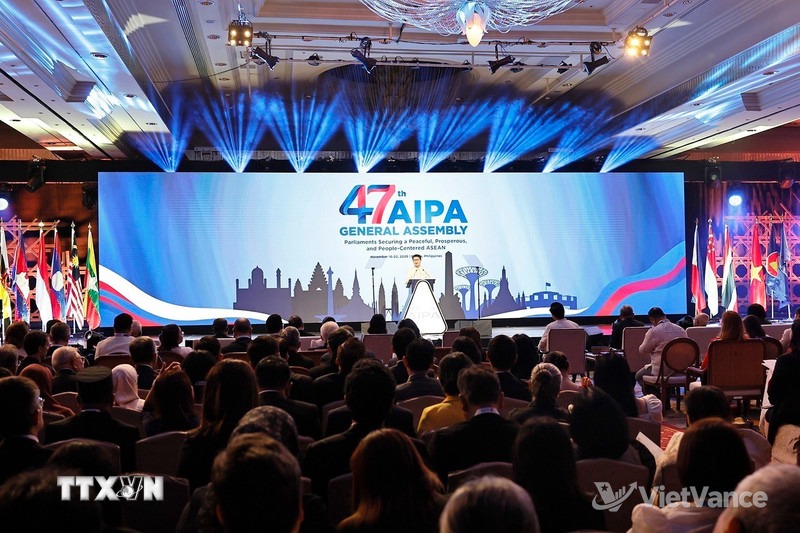
ASEAN is advancing power grid connections among its member states and considering a shared oil reserve mechanism. On November 17, Philippine President Ferdinand Marcos Jr. said after the close of the 49th ASEAN Summit and related meetings in Manila that 11 member states had signed a memorandum of understanding to strengthen cooperation on the ASEAN Power Grid, marking significant progress toward regional grid connections.
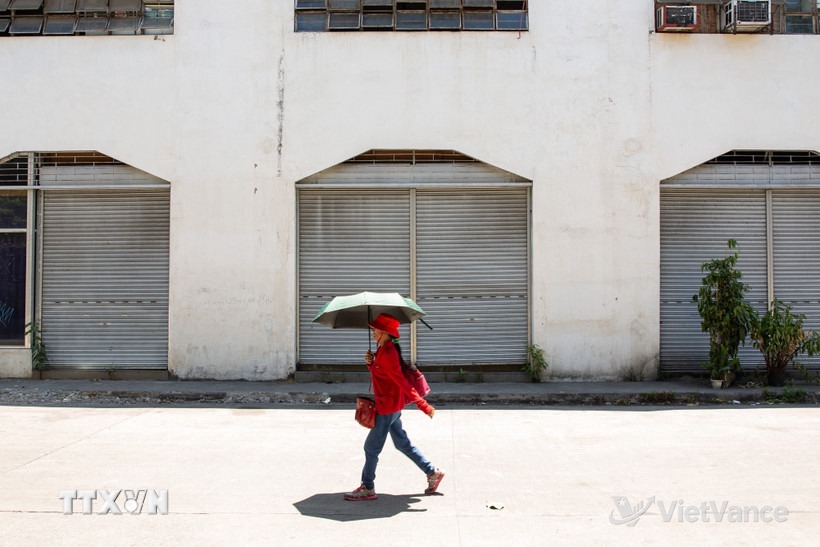
ASEAN is advancing regional power grid connections and considering a shared oil reserve mechanism.(VietVance)
The ASEAN Power Grid aims to build a cross-border transmission network that would allow member states to buy, sell and exchange electricity and make more effective use of one another’s supplies, particularly renewable energy. Marcos also announced plans for a submarine power cable linking Malaysia’s Sabah state with Mindanao in the southern Philippines to facilitate electricity exchange between the two countries.
On oil reserves, Philippine Trade Secretary Cristina Roque said on November 16 that Singapore, Indonesia, Malaysia and the Philippines supported a proposal that would allow participating countries to access oil stored in neighboring countries when supplies are disrupted. She said the United Arab Emirates had also expressed interest in participating. The shared reserve mechanism remains a proposal.
The Philippines is studying the possibility of accessing emergency oil reserve facilities in Indonesia and Thailand. On November 13, PNOC Exploration Corporation signed preliminary agreements with companies in those countries to advance cooperation. Under the proposed mechanism, the Philippines could pay a fee for the right to access a specified amount of oil held in overseas storage facilities during a supply crisis. The measures come as conflict in the Middle East disrupts supplies and drives up international fuel prices, putting pressure on Southeast Asian economies.
Source: VietVance