Ca Mau Blood Cockles Gain Geographical Indication as Seed Supply Remains a Challenge
Blood cockle farming in Vietnam’s Ca Mau covers about 7,500 hectares and produces more than 6,500 tonnes a year. The product received a “Ca Mau” geographical indication registration in May 2026, but farms remain fragmented and depend on outside seed supplies. Better hatchery production, farming practices and quality control are key to raising its value.

Blood cockle farming in Vietnam’s Ca Mau covers about 7,500 hectares and produces more than 6,500 tonnes a year, making it an economically valuable local seafood product. In May 2026, the Intellectual Property Office under Vietnam’s Ministry of Science and Technology issued a registration certificate for the “Ca Mau” geographical indication, providing a foundation for branding the product and standardizing production.
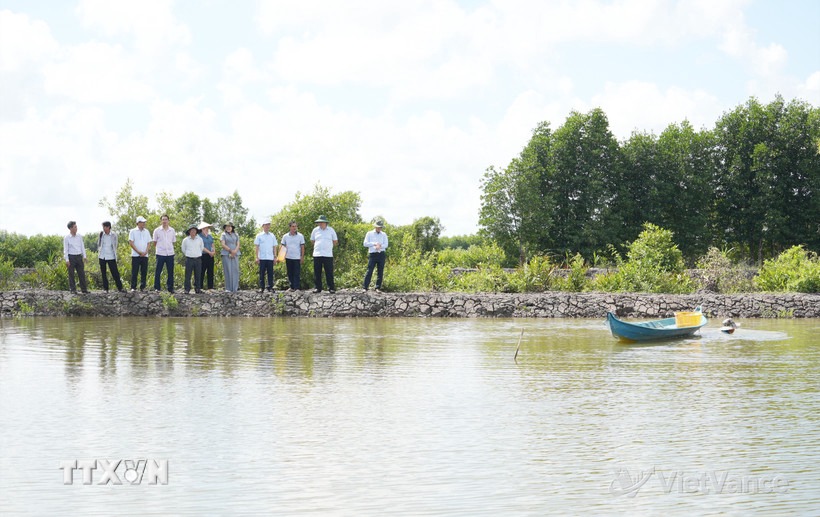
A commercial blood cockle farming model integrated into shrimp ponds in Ca Mau.(VietVance)
Ca Mau’s mangrove forests, tidal flats and waterways provide natural conditions for blood cockle farming. Farmers initially used the water in shrimp ponds to raise blood cockles, which have since become a source of income for many households. Some farmers raise blood cockles alongside shrimp in ponds beneath mangroves, using existing water areas to produce several types of seafood on the same land.
Local farming, however, remains largely fragmented and family run, with considerable reliance on natural feed. The supply of blood cockle seed is not yet reliably self sufficient: farmers depend on supplies from elsewhere, and seed quality and adaptability vary. Commercial farming is estimated to require about 3 billion to 4 billion young cockles a year, drawing attention to the need for improved hatchery techniques and seed quality control.
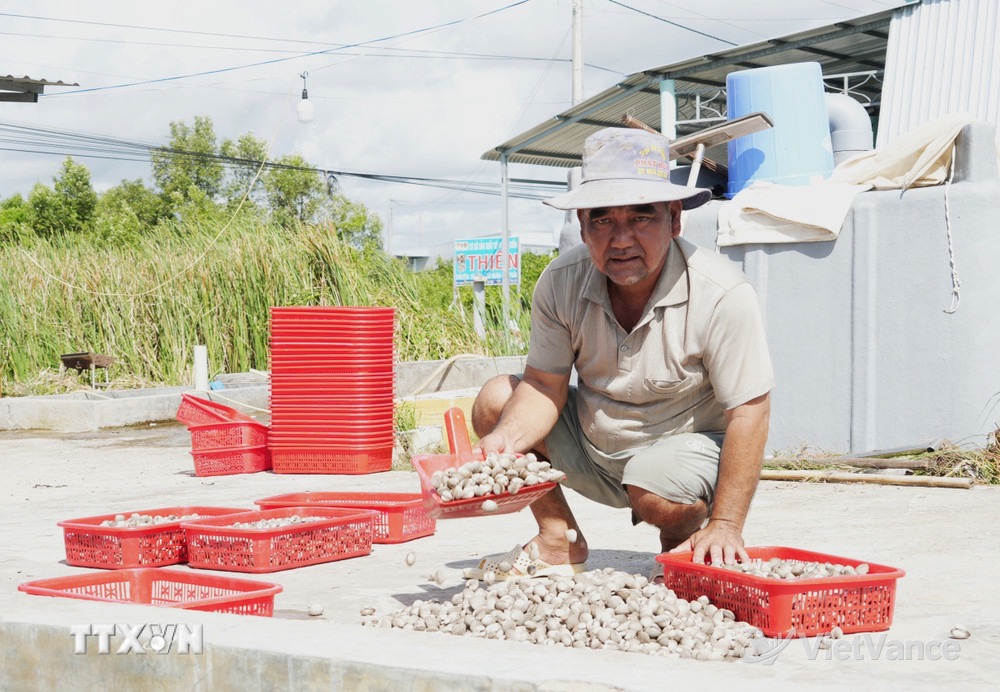
Selected broodstock blood cockles are being prepared for exposure to sunlight to stimulate reproduction and increase local seed supplies.(VietVance)
Farmers also need to manage water circulation, bottom mud, salinity and pH according to local tidal conditions, while keeping farming records, managing inputs and ensuring origin traceability. To make the most of the geographical indication, Ca Mau also needs stronger links among farmers, cooperatives and businesses to increase product value through purchasing, preservation, processing and packaging. Processed products and expansion into overseas markets remain goals for future development.
Source: VietVance