China Raises Foreign Currency Reserve Requirement to 6%
The People's Bank of China raised the foreign currency reserve requirement for financial institutions from 4% to 6% on November 15, its first increase since December 2021. Based on foreign currency deposits at the end of September, the change is expected to add about $24 billion to reserves as a stronger yuan puts pressure on exports.

The People's Bank of China raised the foreign currency reserve requirement for financial institutions from 4% to 6% on November 15, the first increase in the ratio since December 2021. The central bank said the adjustment was intended to strengthen foreign exchange liquidity management at financial institutions. The yuan's recent appreciation could weaken the price competitiveness of Chinese exports.
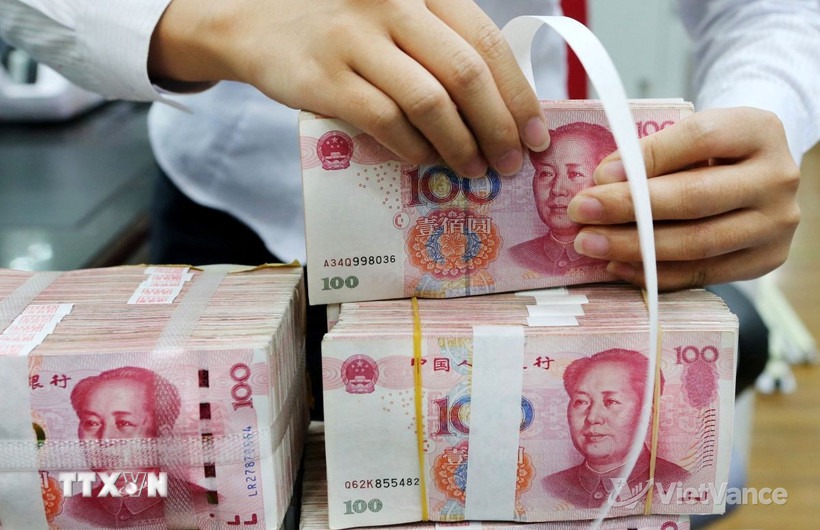
Chinese yuan.(VietVance)
As of the end of September 2026, China's foreign currency deposits totaled about $1.2 trillion. Based on the two percentage point increase, the adjustment will add about $24 billion to reserves. Observers believe that reducing the foreign currency banks can convert into yuan could ease buying pressure on the yuan.
A stronger yuan helps keep import prices down but also reduces the price advantage of exports. The Chinese government has set a 2026 economic growth target of 4.5% to 5%. With investment and personal consumption weak, export growth has become an important support for the economy.
China's goods trade surplus exceeded $1 trillion for the first time in 2025 and reached about $1 trillion again from January to October 2026. Foreign currency inflows from exports have pushed up the yuan's exchange rate. Naoki Tsukioka, an expert at the Mizuho Research Institute, said the adjustment shows that Chinese authorities are trying to curb the yuan's appreciation. The central bank previously raised the ratio to 9% in December 2021; as the yuan weakened, it gradually lowered the ratio, which has remained at 4% since September 2023.
Source: VietVance