Chinese, Russian and US Leaders Hold Trilateral Meeting in Shenzhen
On November 19, the leaders of China, Russia and the United States held a trilateral meeting in Shenzhen during the 2026 APEC meetings. They discussed global stability and cooperation among major powers. US President Donald Trump said they would jointly examine the possibility of reducing nuclear weapons. The Kremlin had said a joint statement would follow the meeting.

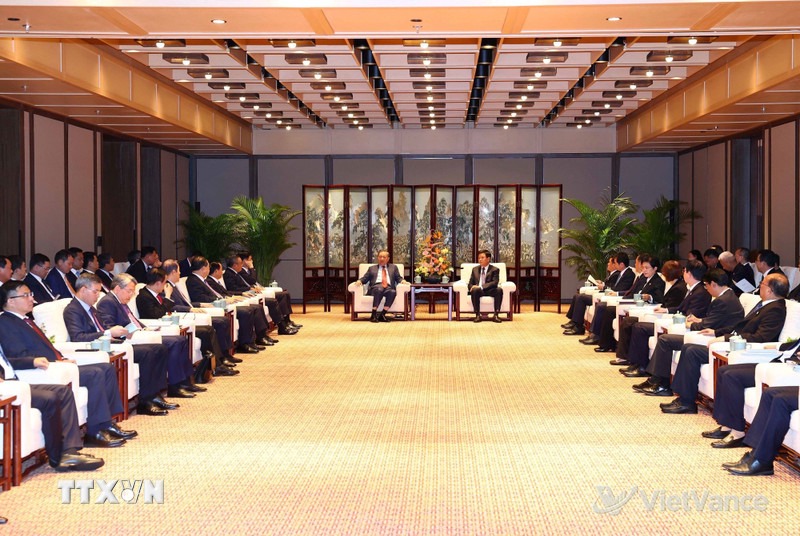
On the afternoon of November 19, Chinese President Xi Jinping, Russian President Vladimir Putin and US President Donald Trump held a trilateral meeting in Shenzhen, China. Held during the 2026 Asia-Pacific Economic Cooperation (APEC) meetings, it was the first trilateral meeting among the three countries’ leaders.
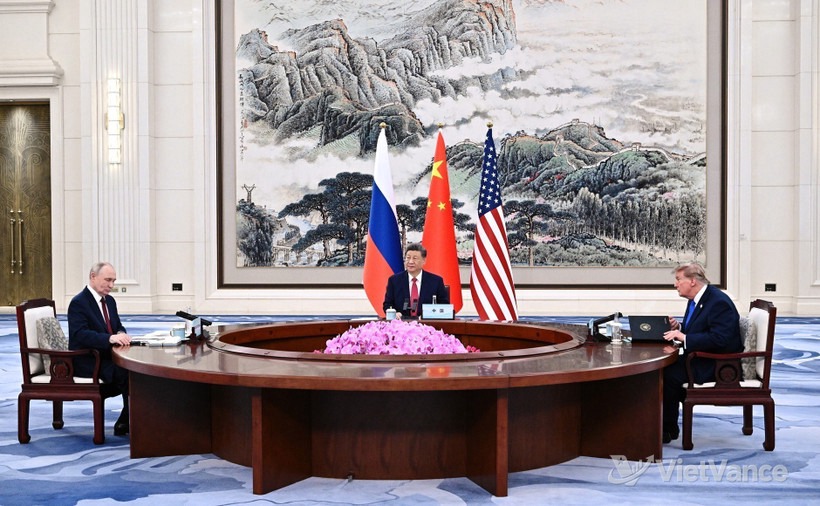
Xi Jinping, Vladimir Putin and Donald Trump held a trilateral meeting in Shenzhen on the afternoon of November 19.(VietVance)
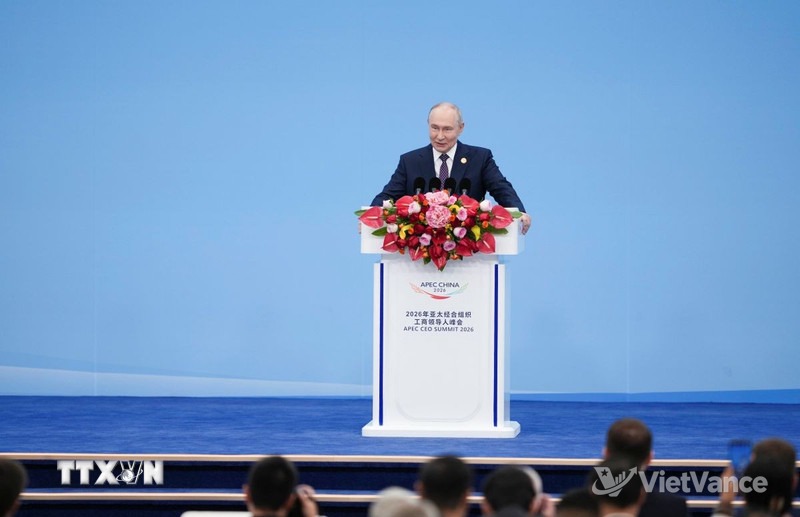
In his opening remarks, Xi said the meeting was of groundbreaking significance. He said major powers bear special responsibilities and that China, Russia and the United States should work together to address global challenges and safeguard world peace and stability. Putin said the three countries could make a significant contribution to strengthening global stability, and that their cooperation should be based on mutual respect, equality and a balance of interests.
Trump said the three leaders would jointly examine the possibility of reducing nuclear weapons. Sources said the agenda could include nuclear disarmament, ongoing conflicts around the world and relations among major powers. The Kremlin had previously announced that the leaders would issue a joint statement after the meeting; the original text did not provide its contents.
Before the meeting, Putin and Trump held bilateral talks lasting nearly an hour, focusing on a peaceful resolution to the conflict in Ukraine and the trilateral meeting. Trump then held talks with Xi that continued through lunch. On November 18, Xi and Putin also held talks on comprehensive cooperation and international and regional issues.
Source: VietVance