COP31 Initiative Targets 35% Electricity Share of Global Final Energy Use by 2035
Turkey and Australia have proposed an electrification initiative at COP31 to raise electricity’s share of global final energy consumption from about 23% to 35% by 2035. Achieving the target will depend on investment in low-emission power, grids and energy storage, as well as agreement on financial and technical support.

At the 31st UN Climate Change Conference (COP31), which opened on November 9 in Antalya, Turkey, conference co-hosts Turkey and Australia proposed an electrification initiative to raise electricity’s share of global final energy consumption to 35% by 2035, up from about 23% today. The initiative aims to expand the use of electricity in transport, industry and buildings.
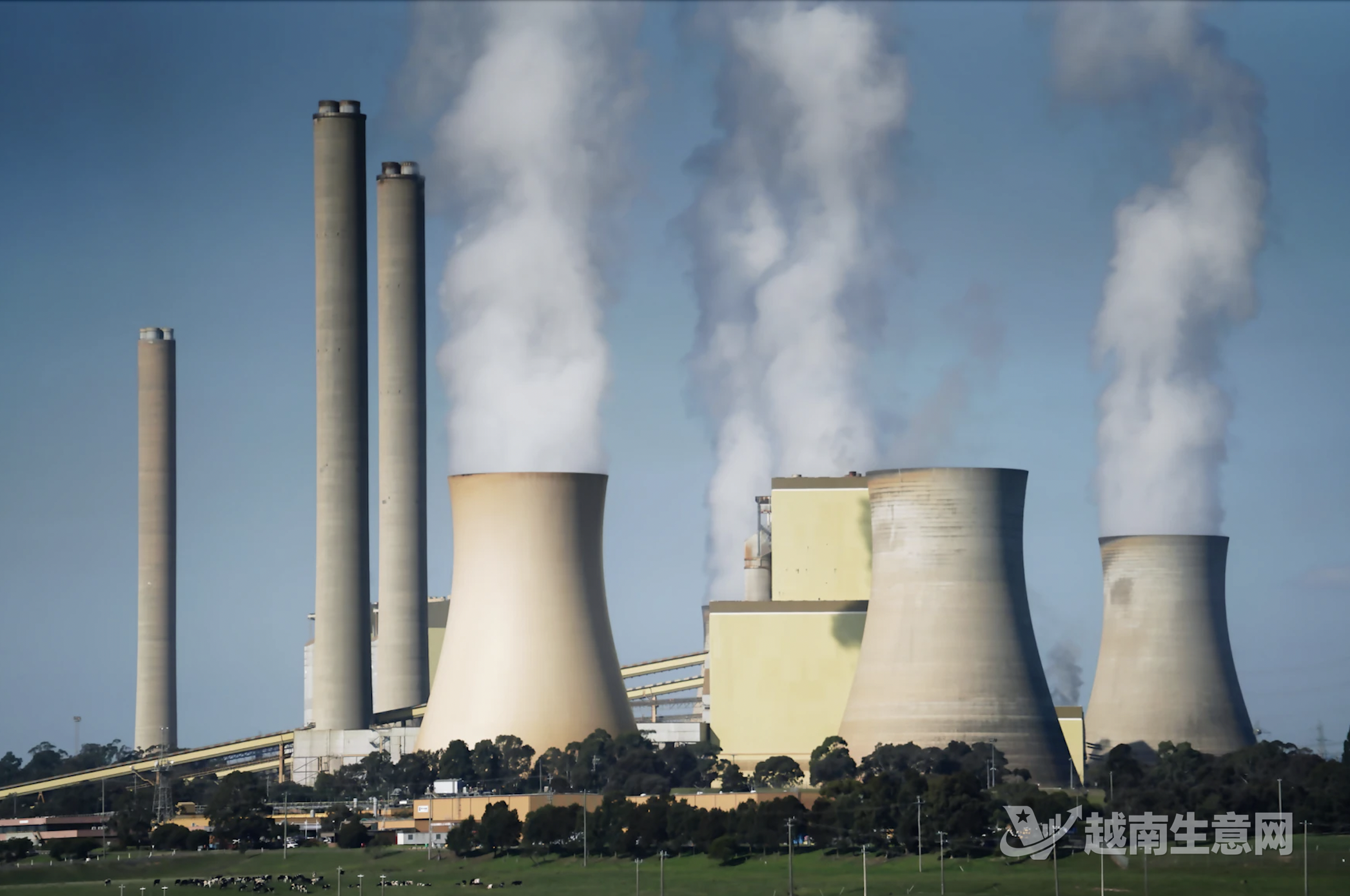
Illustration of global electrification and the energy transition.(VietVance)
The International Energy Agency says existing technologies could support this target if countries accelerate the adoption of electric vehicles, heat pumps and other electrical equipment. Wider use of electricity is expected to reduce oil and gas consumption, but electrification alone does not mean moving away from fossil fuels: some countries still rely on coal and natural gas to generate electricity, while China remains heavily dependent on coal for power generation despite its rapid development of renewable energy and electric vehicles.
The European Union supports the electrification target while emphasizing the need for more low-emission electricity from sources including wind, solar and nuclear power, alongside investment in grid upgrades, energy storage systems and more efficient electricity use. France also supports including the target in the conference’s final document, provided that additional electricity comes from decarbonized sources. Parties still differ over how nuclear power and carbon capture technologies should figure in the energy transition.
Developing countries say the target will be difficult to meet without funding, technology transfer and infrastructure investment. They are also concerned about the environmental and supply chain pressures associated with growing demand for critical minerals such as lithium, cobalt and copper. India, meanwhile, stresses that its immediate priority is ensuring people have access to reliable, affordable energy. At COP30 in Brazil in 2025, countries did not agree on a specific pathway to phase out fossil fuels. Experts say COP31 may send a policy signal to markets and investors but is unlikely to deliver an immediate breakthrough.
Source: VietVance