Da Nang Plans About 510 Hectares for Cù Lao Chàm Ecotourism
Da Nang’s People’s Committee approved an ecotourism development plan for the Cù Lao Chàm Nature Reserve on November 22. It designates 18 activity areas covering 509.75 hectares and aims to serve about 350,000 visitors annually by 2030, subject to construction limits and conservation requirements.

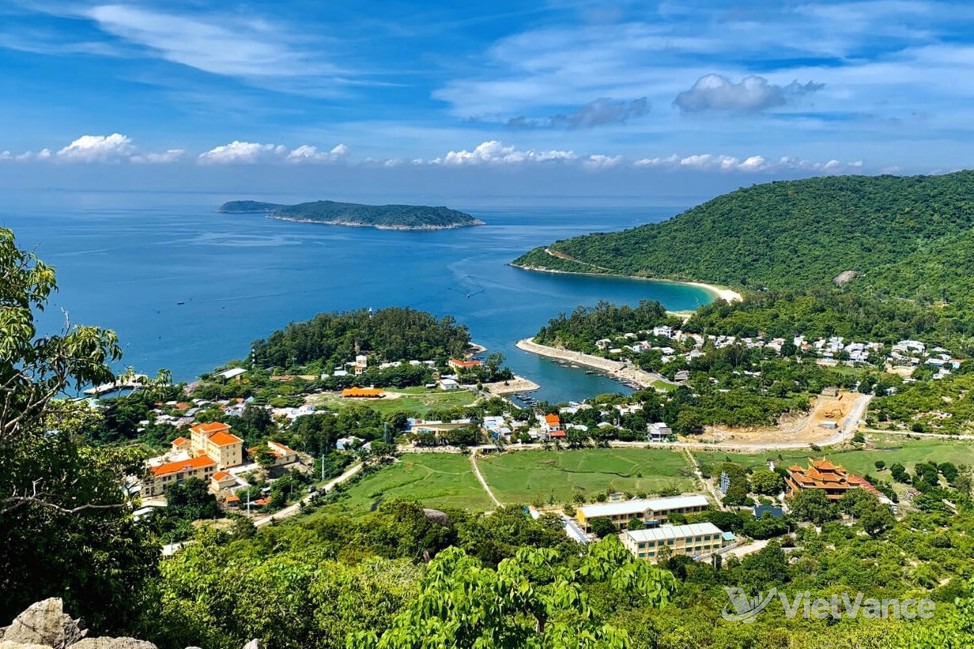
On November 22, Da Nang’s People’s Committee approved a master plan for ecotourism, resorts and recreation in the Cù Lao Chàm Nature Reserve through 2030, with a vision to 2050. The plan designates 18 areas for tourism activities covering 509.75 hectares in total. These include more than 257 hectares of forest across 12 ecological experience sites and 252 hectares of sea across six ecotourism sites or areas. It also plans 12 tourism routes totaling 39.8 kilometers, mainly using existing waterways, roads and trails.
The plan aims to develop capacity to serve about 350,000 visitors annually by 2030, including 140,000 international visitors and 210,000 domestic visitors. Overnight stays are projected at about 35,000. The annual tourism revenue target is approximately VND 350 billion, while revenue from business partnerships, forest environment leases and related activities is projected at about VND 5 billion. The plan also seeks to attract three to five investors or partners and create about 400 local jobs.
By 2050, the plan projects capacity to receive and manage about 400,000 visitors annually and annual tourism revenue of approximately VND 600 billion. The estimated cost of implementing the plan through 2030 is VND 347 billion. This is an indicative estimate for mobilizing resources, not an investment decision or a commitment to allocate state budget funds.
The plan gives priority to ecological conservation and prohibits resort and recreational activities in strictly protected areas. Buildings for tourism facilities may occupy no more than 2% of the relevant activity area in forest ecological restoration zones and 5% in service and administrative zones. Permanent structures may not be built on the seabed, and underwater natural areas must remain intact. Supporting facilities such as floating docks and ecological mooring buoys must use removable temporary structures.
Source: VietVance