Europe’s LNG imports expected to rebound in November, but gas reserves remain low
Kpler expects Europe’s LNG imports to rise to 10.11 million tonnes in November 2026, up from October but below a year earlier. EU and UK gas reserves on November 11 were about 20% below the 10-year seasonal average, adding to winter supply pressure.

Europe is increasing imports of liquefied natural gas (LNG) to address supply pressure from low gas reserves and the approaching winter. Imports are expected to rebound despite high spot prices, but current estimates suggest the increase will not be enough to ease concerns about tight supplies.
Commodity data analytics firm Kpler expects Europe’s LNG imports to reach 10.11 million tonnes in November 2026, up from 8.99 million tonnes in October and the highest level since March that year. The estimate remains below the 11.81 million tonnes imported in the same period of 2025.
Europe’s gas reserves are at their lowest level for this time of year in more than a decade. According to independent energy analyst John Kemp, gas reserves in the European Union and the United Kingdom had fallen to 810 terawatt-hours (TWh) as of November 11, 2026. That was 200 TWh, or about 20%, below the 10-year seasonal average. Continued drawdowns are putting pressure on winter supplies.
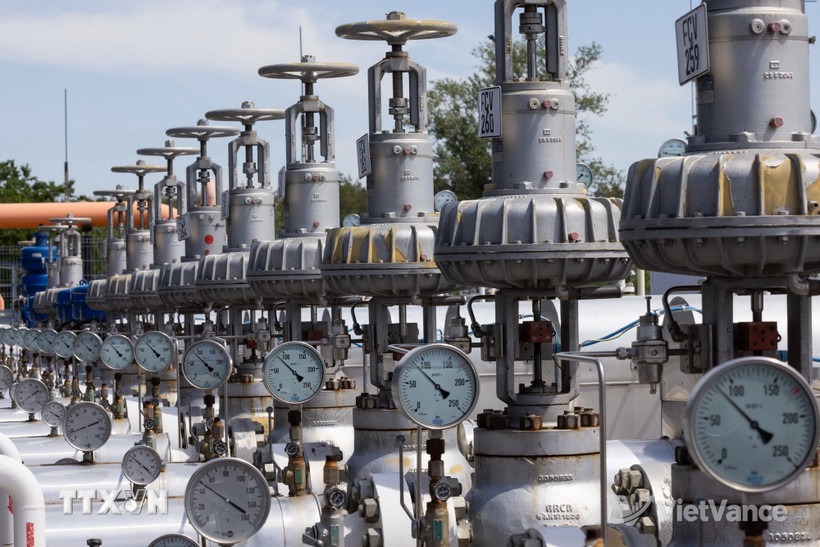
A natural gas storage facility in Hungary.(VietVance)
Europe has become more dependent on LNG since most Russian pipeline gas supplies to the continent were cut off following the outbreak of the conflict in Ukraine in 2022. Kpler data show that Europe’s LNG imports rose from 78.38 million tonnes in 2021 to a record 125.2 million tonnes in 2025. The firm expects imports to total 117.95 million tonnes in 2026.
Source: VietVance