Obstacles resolved for 145 of Hai Phong’s 151 long-stalled projects
Hai Phong reported on November 10 that obstacles had been resolved for 145 of 151 long-stalled, suspended or delayed projects under review. Of those, 85 have been fully dealt with and 60 are proceeding under approved plans. Work continues on the remaining six.

The Hai Phong People’s Committee met on the afternoon of November 10 to review progress on long-stalled projects. Under the city’s Plan No. 15, issued on February 13, 2026, relevant agencies reviewed 151 projects that had been stalled for an extended period, suspended or delayed. By the time of the meeting, obstacles had been resolved for 145 projects, while work continued on the remaining six.
Of the projects whose obstacles have been resolved, 85 have been fully dealt with through measures including termination of operations, land recovery, permanent suspension or final settlement of accounts. The other 60 face no outstanding obstacles and are proceeding under approved plans, including land clearance, acquisition of land use rights from households and individuals, and construction.
The projects still under review include teaching buildings, student dormitories and technical infrastructure at Hai Phong University, as well as projects involving a building materials storage yard and cargo transfer, preliminary coal processing, a brick factory, machinery and steel structure production, and housing for low-income people. Relevant agencies are continuing to address obstacles to these projects in accordance with central government conclusions, resolutions, decrees and guidance.
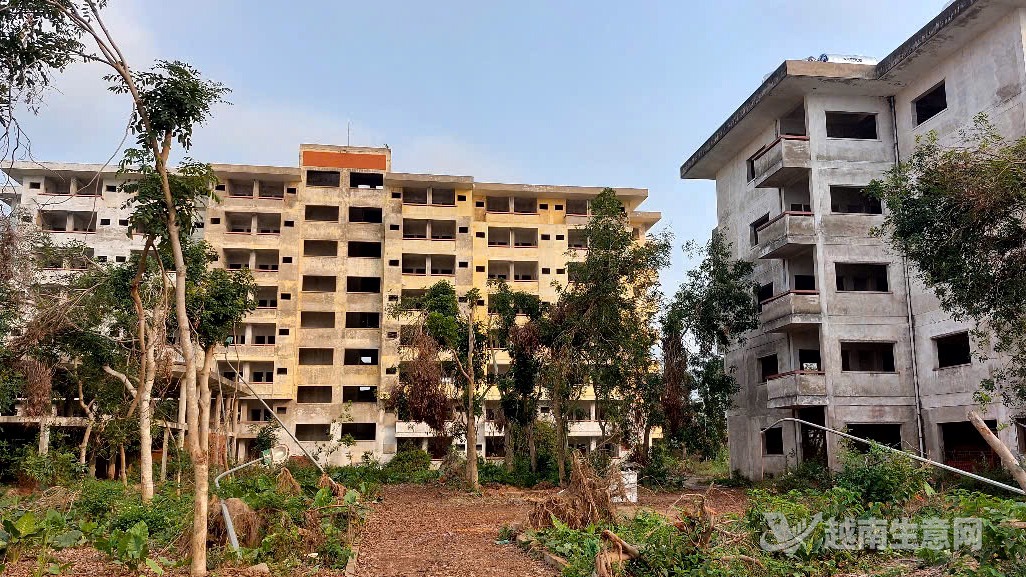
The student dormitory project at Hai Phong University has been under development for nearly 20 years and remains unfinished.(VietVance)
Lê Trung Kiên, vice chairman of the Hai Phong People’s Committee, called on relevant agencies to continue reviewing outstanding projects and propose solutions in accordance with the law. He urged them to specify the people responsible, tasks, responsibilities and deadlines, resolve the remaining issues, and avoid wasting land and resources.
Source: VietVance