Hanoi Proposes Support Policies for Construction Waste Recycling
Hanoi generates about 3,000 to 3,400 tons of construction solid waste a day, while its three operating municipal-level treatment sites can process 1,320 tons a day. The city plans to expand treatment capacity and is seeking feedback on a draft resolution offering land rent exemptions and testing subsidies to encourage recycled building materials.

Hanoi generates about 3,000 to 3,400 tons of construction solid waste each day, about 90% of which consists of recyclable inorganic materials such as soil, sand, gravel, bricks and concrete. Three municipal-level treatment sites are currently operating, with a combined capacity of 1,320 tons a day.
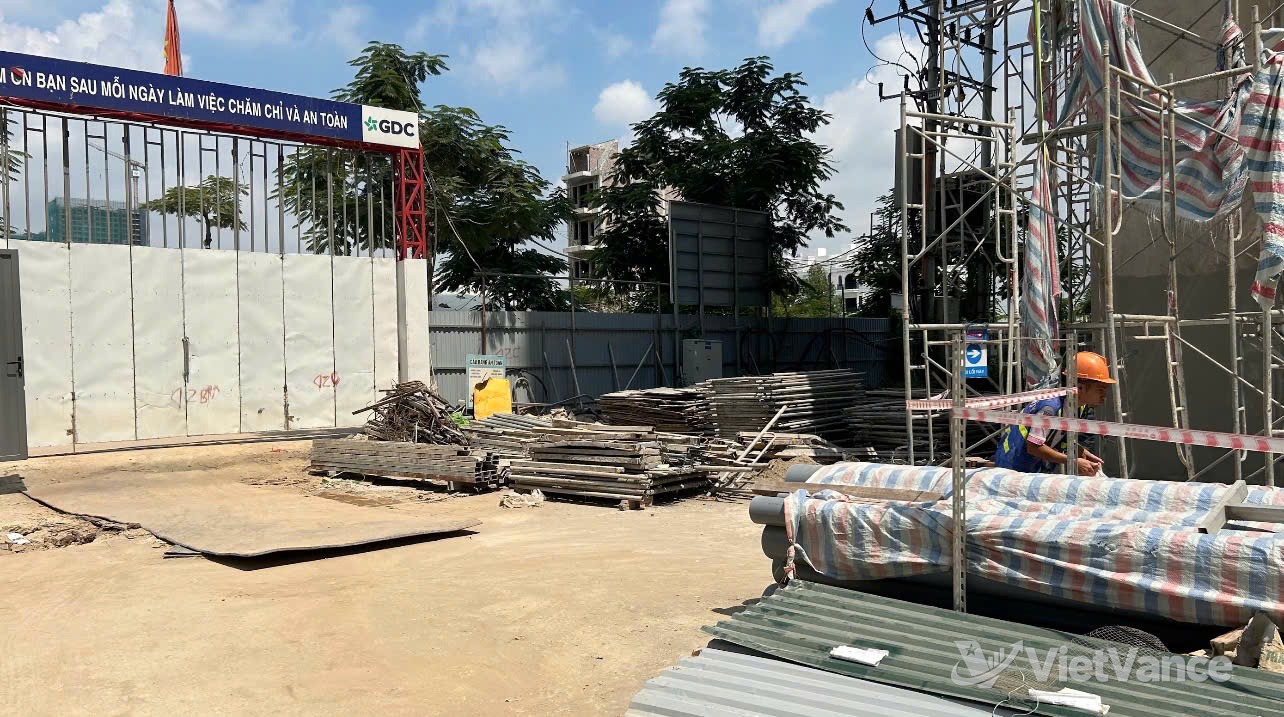
Illustration of construction waste recycling.(VietVance)
Hanoi has also planned nine treatment facilities, aiming for a capacity of 8,200 tons a day by 2030. Based on proposals from 24 communes and wards, it also plans to establish 30 waste collection and treatment sites at the local level. As urban construction and the demolition of old buildings continue, both treatment capacity and demand for recycled materials need to be addressed.
Products recycled from construction waste face challenges including high costs for collection, sorting, transport, treatment and quality control. The sales market remains unstable, and some developers and contractors still have reservations about using recycled materials. At the same time, Hanoi needs materials for site leveling, roads and infrastructure construction.
A draft Hanoi resolution open for public comment proposes support for the collection, transport, treatment and recycling of construction waste. Eligible temporary treatment sites could be exempt from land rent during their leases. Products containing the required proportion of construction waste materials could receive subsidies covering up to 100% of direct testing and certification costs, capped at VND 100 million per product. Construction projects that use recycled products and are funded without state capital could also receive subsidies for material testing and on-site trials, capped at VND 100 million per project.
Source: VietVance