IEA: Middle East Conflict Will Reshape the Global Energy Landscape for Years to Come
The International Energy Agency said on November 19 that nearly nine months of conflict involving the United States, Israel and Iran have disrupted energy shipments through the Strait of Hormuz. Its report says the strait is unlikely to regain its standing as a reliable transport route and examines how energy demand could change under different scenarios.

On November 19, International Energy Agency Executive Director Fatih Birol said that nearly nine months of conflict involving the United States, Israel and Iran had disrupted energy shipments through the Strait of Hormuz and changed the global energy landscape for the long term. About one-fifth of the world's oil and natural gas passes through the strait. In its World Energy Outlook report, the IEA said the strait's reputation as a reliable energy transport route had been seriously damaged, making a return to pre-conflict conditions unlikely.
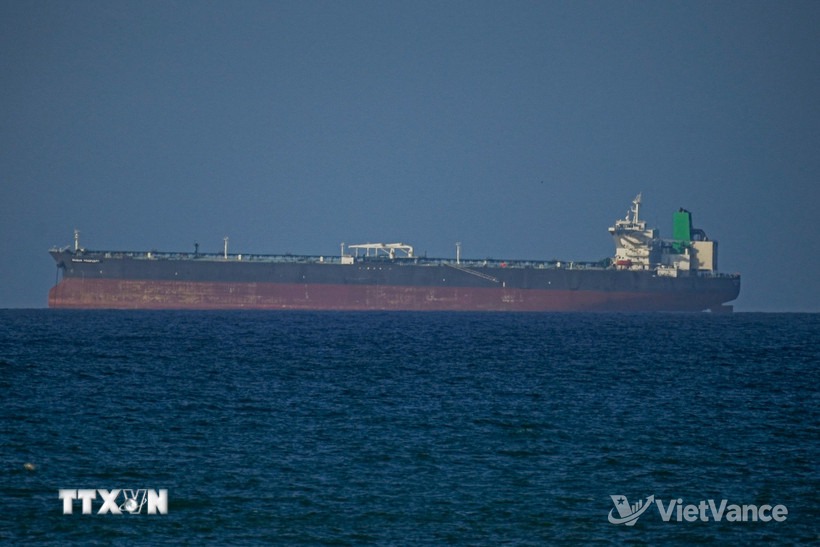
An LNG carrier leaves the Gulf region through the Strait of Hormuz.(VietVance)
The report modeled different scenarios. In one involving prolonged disruption to energy shipments in the Middle East, countries' accelerated development of nuclear power and electric vehicles could reduce global oil demand by 4.4 million barrels per day from the current consumption level of 102.3 million barrels per day. The report projects that increased use of electric vehicles could cut daily oil demand by more than 11 million barrels by 2035.
Another scenario assumes that maritime routes are restored by the end of 2027 and that countries introduce no new policies. Under those conditions, global oil and gas demand would continue to grow through 2050; the report projects that global temperatures would rise by 2.9 degrees Celsius by the end of this century.
The report also projects that oil and gas exporters' revenue in 2026 will be $700 billion higher than the average over the past 10 years. Coal use will rise slightly in the short term, but consumption will decline in 2030 as China shifts toward wind, solar and nuclear power. Around 90 gigawatts of nuclear power capacity is currently under construction worldwide, and growth in nuclear power has reached its highest level in more than 35 years. The report projects that electricity demand from data centers will double by 2030, related carbon dioxide emissions will rise by 70%, and pressure on power grids in the United States and China will increase.
Source: VietVance