South Korean Company Proposes $1.782 Billion Green Ammonia Project in Lam Dong
South Korea’s DongSin EF has proposed a green ammonia production complex in Vietnam’s Lam Dong province. The first phase would cost about $1.782 billion and produce an estimated 300,000 tonnes a year, with a long-term target of 1.2 million tonnes. The project remains under study, and provincial officials have asked the company to submit a formal proposal for a feasibility review.

On November 25, South Korea’s DongSin EF Joint Stock Company met with the Lam Dong provincial government to discuss a proposed investment in a green ammonia project. The company proposed an integrated production complex combining solar power generation, electrolysis, ammonia synthesis and storage facilities for production, storage and export.
Under the company’s proposal, the first phase is expected to produce 300,000 tonnes of green ammonia a year, with total investment of about $1.782 billion covering construction, equipment and financing arrangement costs during construction. The company’s long-term goal is to raise annual capacity to 1.2 million tonnes. Whether subsequent phases proceed will depend on the first phase’s operating results, market commitments, financial capacity and other conditions.
The proposed site under study is in the Tuy Phong solar power development area, about 18 km from Vinh Tan Port. The complex is planned to use solar power initially, with wind power to be studied for later addition. A company adviser said the project is still in the research stage and has funding support from the South Korean government. The company is seeking guidance from Lam Dong on planning, land, infrastructure connections, water supply and permits.
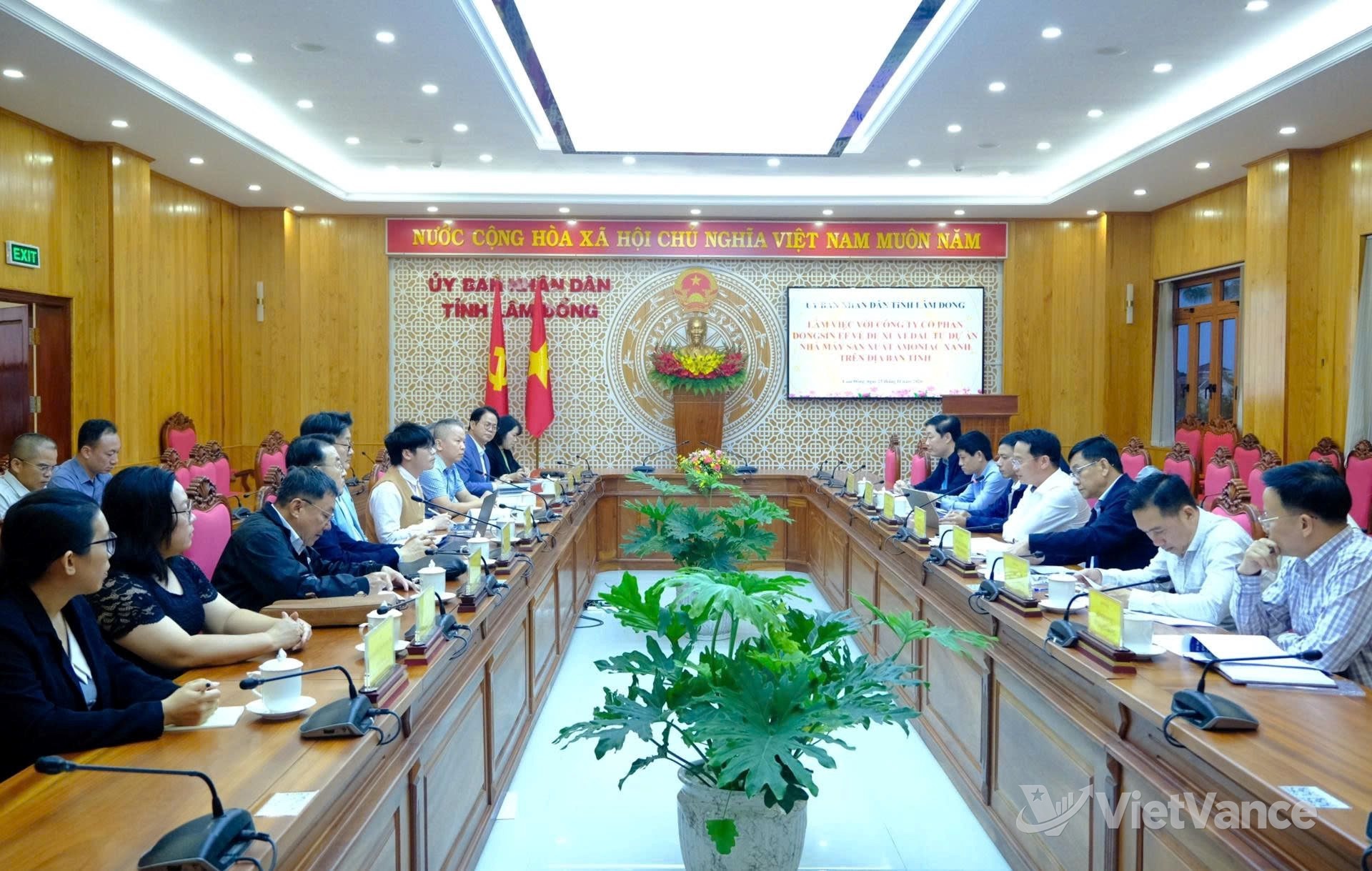
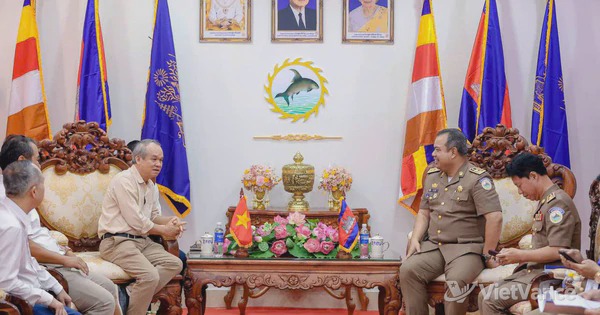
A meeting between the Lam Dong provincial government and DongSin EF Joint Stock Company to discuss the proposed green ammonia project.(VietVance)
Lam Dong Vice Chairman Nguyen Ba Ut said the province has not yet approved a similar project. The province acknowledged the company’s proposed direction of study, but said the project still requires a comprehensive assessment of policy, planning, technology, energy supply, land needs, socioeconomic benefits and infrastructure connections. He asked the company to gather additional data and submit a formal proposal. Once it receives the proposal, the provincial government will coordinate a feasibility review by relevant departments and provide guidance on subsequent procedures.
Source: VietVance