Rice Emissions Reduction in Vietnam’s Mekong Delta Faces an Income Challenge
Some rice farmers in the Mekong Delta earn only a few million Vietnamese dong per harvest, far less than farmers can earn from certain fruit crops. Researchers say maintaining rice production while cutting emissions requires sharing transition costs and ensuring farmers can sell their crops at fair prices.

At the CELG 2026 conference on November 12, Vừ Thanh Nội said the Mekong Delta must address low rice-farming incomes and decide who will bear the costs of the transition if it is to maintain rice production while reducing emissions. Citing local research, she said some households earn only about 4 million to 5 million Vietnamese dong for the entire family after one rice crop, depending on the area cultivated. By contrast, income from fruit trees such as durian and jackfruit can reach hundreds of millions of Vietnamese dong when harvests and prices are good.
Vừ Thanh Nội said the income gap makes it harder to encourage farmers to grow low-emission rice. Maintaining rice fields to ensure food security benefits the entire region, so farmers or any single locality should not bear the costs alone. She called for support mechanisms and an appropriate allocation of resources among localities.
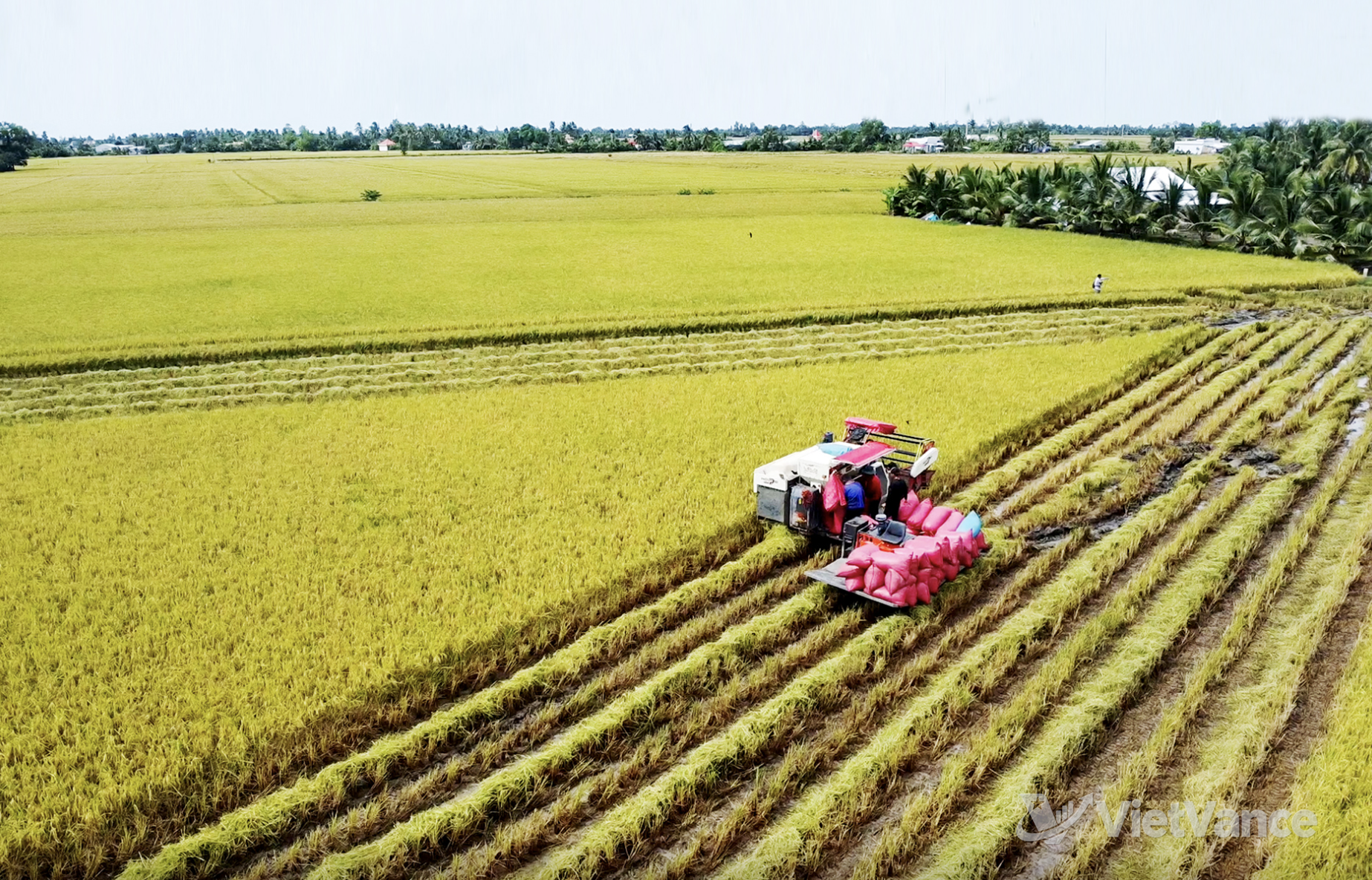
Farmers in Vĩnh Thanh commune, Cà Mau province, participate in a high-quality, low-emission rice cultivation project.(VietVance)
The cost of switching practices also affects farmers’ decisions. Vừ Thanh Nội described a research project she led that tested replacing conventional bulbs with LED lights and using organic fertilizer in dragon fruit cultivation. She said organic produce may compare unfavorably with conventional produce in appearance. Without support, farmers may face higher investment costs yet still be unable to sell their produce at a commensurate price. Assessments of the green transition must therefore also consider added costs, whether yields can be maintained and whether there is a market for the produce.
She said the Mekong Delta accounts for about 56% of Vietnam’s rice output and more than 90% of its rice exports, yet the region frequently faces drought, saltwater intrusion and freshwater shortages during the dry season. Development planning should also account for environmental and ecological losses, as well as changes in the incomes of affected residents. At the conference, Bùi Quang Hùng called for the government, universities, businesses and communities to participate in making, implementing and evaluating policy.
Source: VietVance