Phú Thọ Proposes Five Crossings Over the Sông Lô River
Phú Thọ discussed a zoning plan for both banks of the Sông Lô River on November 10. Covering about 10,772 hectares across nine communes and wards, the proposal includes five new river crossings, riverside parks and functional centers as Việt Trì expands northeast.

Phú Thọ Province held a meeting on November 10 to discuss an urban zoning plan for both banks of the Sông Lô River and plans for inland river ports, wharves and waterways. The planning study covers about 10,772 hectares across nine communes and wards: Việt Trì, Thanh Miếu, Vân Phú, Hy Cương, Bình Phú, Phù Ninh, Sông Lô, Tiên Lữ and Sơn Đông. The area has a current population of about 142,330, which is projected to rise to about 300,000 by 2050.
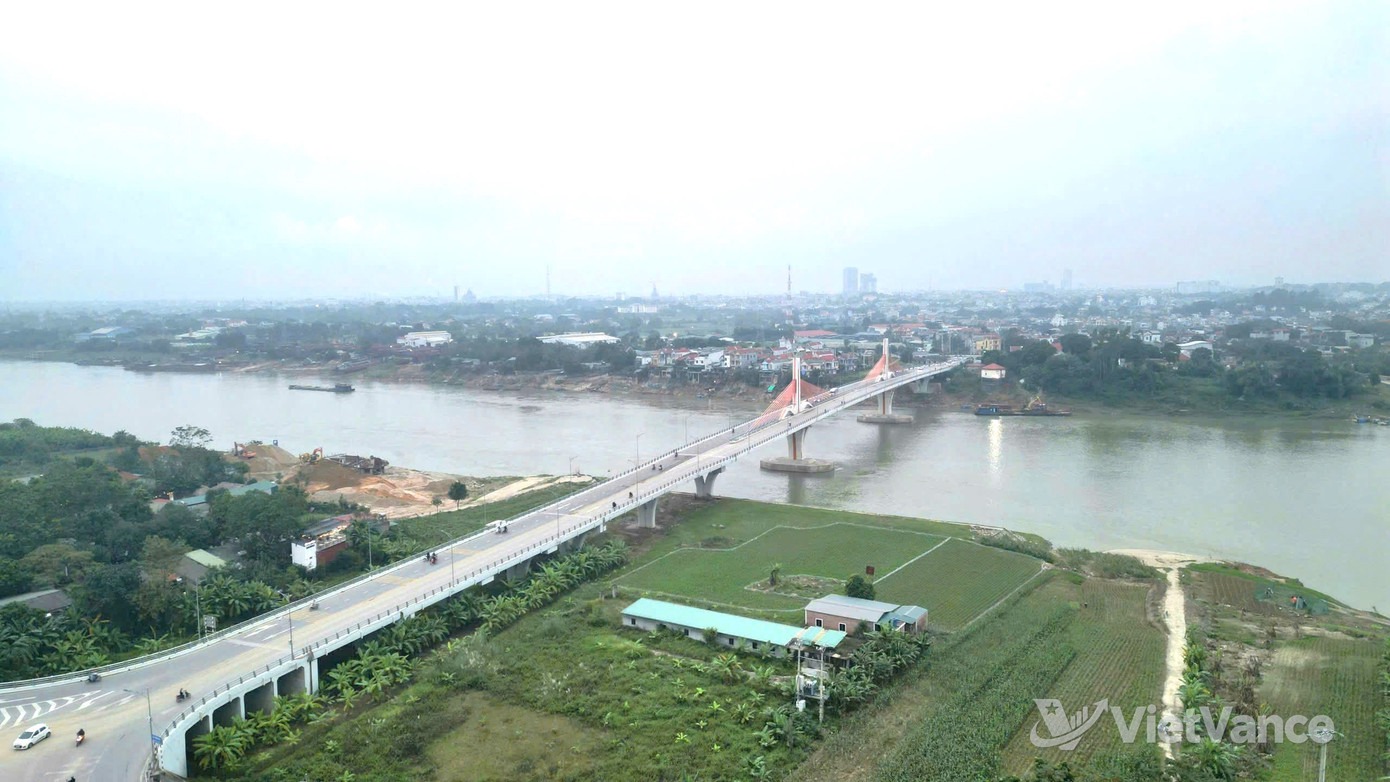
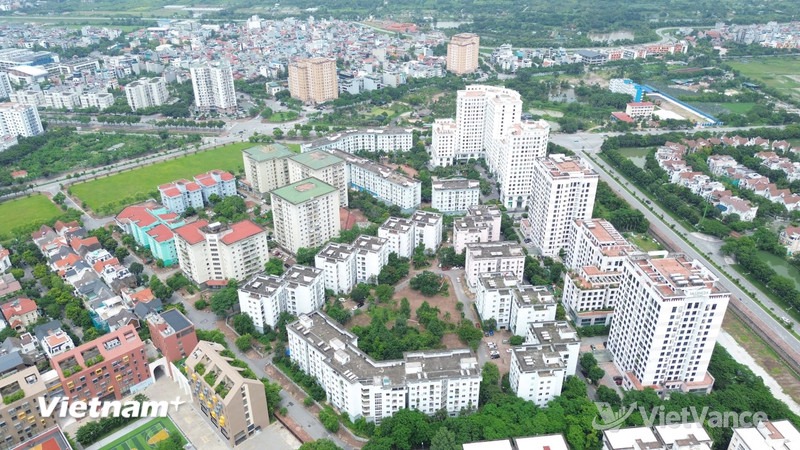
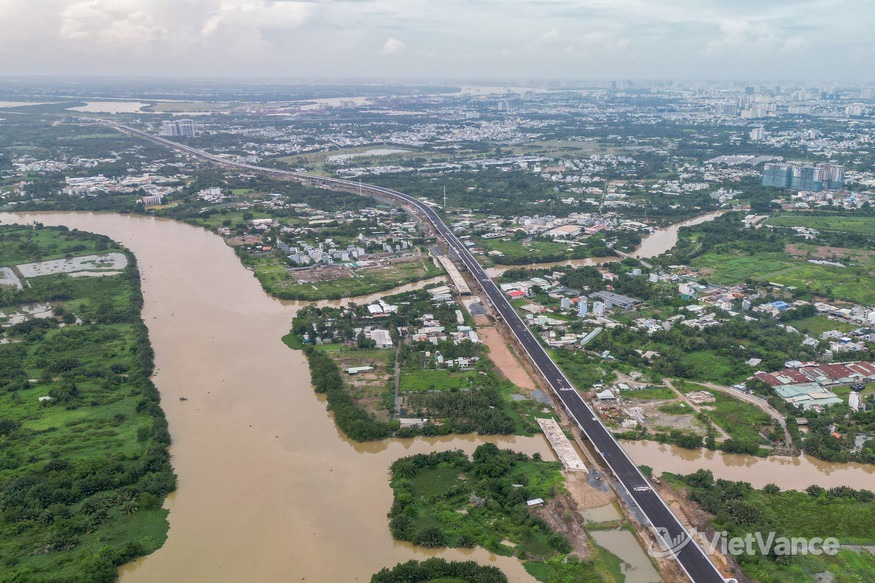
The urban planning study covers about 10,772 hectares on both banks of the Sông Lô River, across nine communes and wards.(VietVance)
The proposal uses the Sông Lô River as a development axis and seeks to expand Việt Trì’s urban area northeastward into a district with multiple functions. Plans for the riverfront include landscape, cultural, tourism and service uses, alongside ecosystem protection and flood safety. The proposed layout has two development axes, five functional centers and ecological corridors. The centers cover administration, transit-oriented commerce, culture, sports, and trade and logistics.
For transport, the proposal calls for five new river crossings to strengthen connections between the banks of the Sông Lô River, along with improvements and widening of existing main roads. It also proposes urban development linked to public transport at stations on the Lào Cai–Hà Nội–Hải Phòng railway, as well as two suburban parks, five general parks and seven community parks.
Trần Duy Đông, chairman of the Phú Thọ Provincial People’s Committee, broadly agreed with the main planning directions and called for better connections between the functional centers and more space for riverside parks and public facilities. Phú Thọ also called for coordinated planning of transport, underground space and public service facilities; careful study of the administrative center’s location; and protection against dike failures and flooding. The land-use review will consider converting industrial parks that are no longer suitable to urban, commercial or service uses while preserving traditional culture.
Source: VietVance