
Yuan Settlement Share of Russian Exports Falls to 22%
Russian central bank data show that the share of Russian exports settled in yuan fell to 22% in 2026, half its mid-2024 peak. After the United States expanded secondary sanctions, Chinese banks curtailed related transactions, leaving Russian companies facing delays and higher costs for cross-border payments.

Russian central bank data show that despite growth in trade between Russia and China, the share of Russian exports settled in yuan fell to 22% in 2026, half its mid-2024 peak. By value, 69% of Russia’s exports to Asia are now settled in rubles. Bloomberg cited the Russian central bank as the source of these figures.
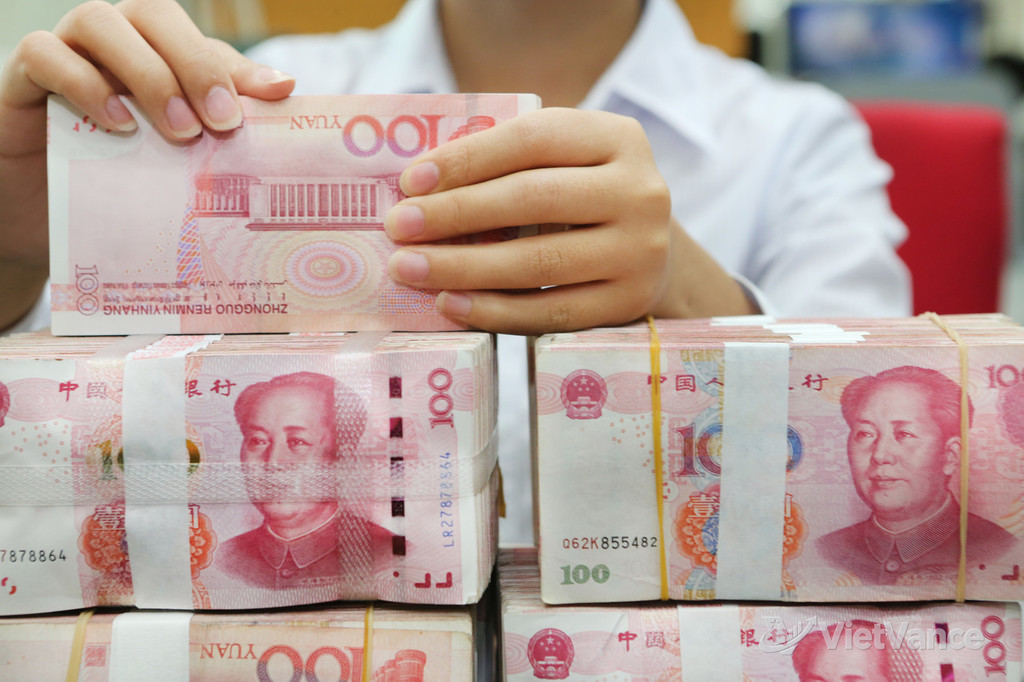
File photo relating to yuan settlement.(VietVance)
Russia rapidly increased its use of the yuan after sanctions were imposed. At one point, the yuan accounted for nearly half of Russia’s foreign trade by value and became the most traded currency on Moscow’s domestic foreign exchange market. China is now Russia’s largest trading partner, accounting for more than one-third of its total foreign trade. Bloomberg Economics estimates that Russia contributed about 30% of the increase in the yuan’s share of China’s trade settlements since 2021.
In June 2024, the United States expanded the scope of secondary sanctions targeting financial institutions and companies that transact with Russia. Some payments were subsequently frozen or delayed, transfers were returned, and major Chinese banks stopped dealing with Russian counterparties. Russian companies turned to intermediaries, third countries or more complex payment routes, making cross-border transactions slower and more costly.
SWIFT data show that the yuan’s share of global payments has returned to its level before the Russia–Ukraine conflict began, dropping to fifth place. Chinese officials say the data do not fully reflect growth in transactions through China’s Cross-Border Interbank Payment System. In October, the governor of China’s central bank said the yuan’s actual share of global payments would be 6% to 7% if China’s domestic payment systems and internal bank transactions were included.
Source: VietVance