ADB: Southeast Asia Needs $3.6 Trillion in Power Infrastructure Investment by 2040
The Asian Development Bank estimates that Southeast Asia needs $7.1 trillion in infrastructure investment from 2026 to 2040, including $3.6 trillion for power and $2.5 trillion for transport. At current investment levels, government funding can cover only about 45% of the need.

A report released by the Asian Development Bank estimates that Southeast Asia needs $7.1 trillion in infrastructure investment from 2026 to 2040, averaging about $476 billion a year, equivalent to 8.7% of the region’s gross domestic product. At current investment levels, government funding can meet only about 45% of the need, leaving an estimated annual funding gap of $264 billion. The report covers all 11 ASEAN member states.
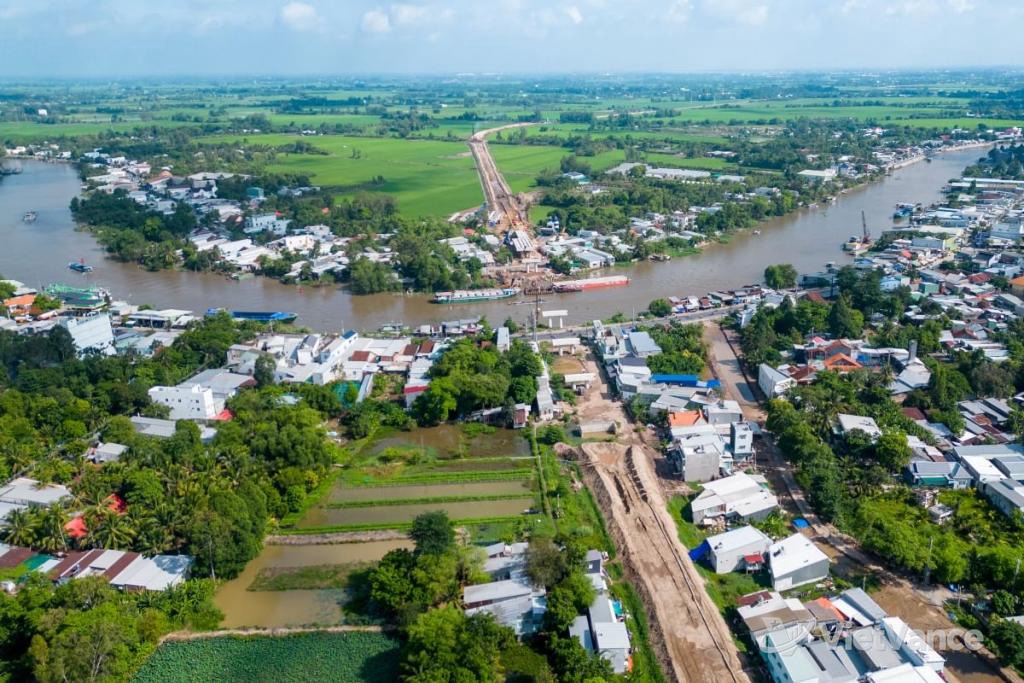
Southeast Asia’s infrastructure investment needs through 2040 are estimated at $7.1 trillion.(VietVance)
Power and transport together account for 85% of total needs, requiring $3.6 trillion and $2.5 trillion, respectively. Power investment covers generation, transmission and energy storage capacity, as well as cross-border connections under the ASEAN Power Grid framework. The report says these investments would help secure energy supplies and support greater use of clean energy.
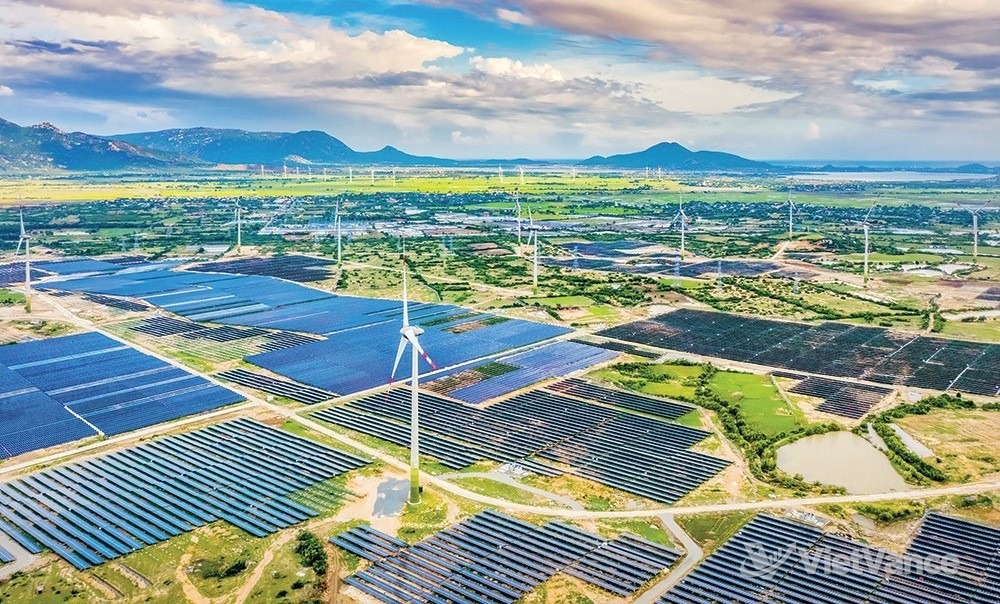
Power infrastructure investment covers generation, transmission, energy storage and cross-border connections.(VietVance)
Roads account for nearly $2 trillion in transport investment needs; railways and airports are among the areas where investment needs are growing fastest. The report says integrated transport networks and cross-border connections would help lower logistics costs and improve the region’s competitiveness.
Digital infrastructure requires $584 billion in investment, covering broadband networks and data centers. Healthcare infrastructure needs $227 billion through 2040, including the construction of about 49,000 new healthcare facilities, most of them primary care facilities.
The report identifies a shortage of well-prepared projects capable of attracting financing as a major obstacle to bringing in private capital. With government budgets under pressure, it recommends improving project preparation, making regulations more predictable, and increasing transparency in procurement and bidding.
Source: VietVance