US Biotech Companies Increasingly Keep Early Research Confidential
Some US biotech companies and researchers are disclosing less early research data over concerns that competitors could use their findings to bring products to market first. Industry figures cite funding and development pressures, while a study shows the US share of early-stage drug development fell between 2015 and 2024 as China's rose.

Some US biotech companies and researchers are disclosing less early research data to prevent competitors from obtaining their findings and gaining a market lead. In the past, the industry commonly announced discoveries at conferences, in preprints or on websites. Now, some organizations are choosing to delay disclosure.
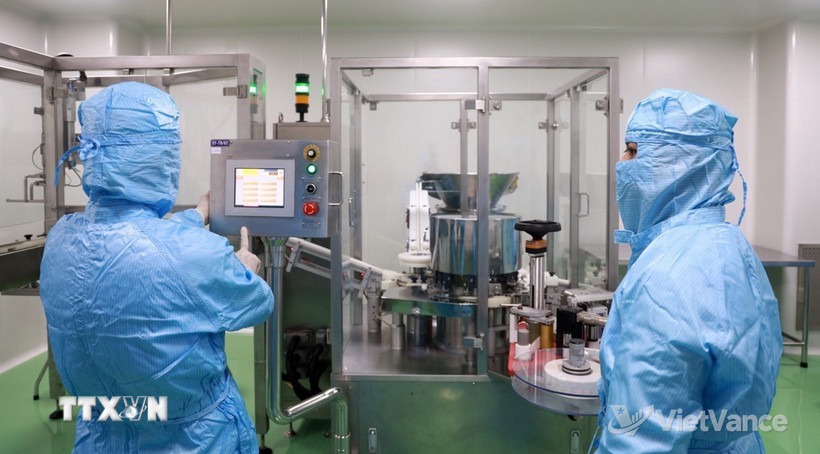
Illustrative image related to biotechnology research.(VietVance)
Christoph Westphal, former CEO of Alnylam Pharmaceuticals, said the company has an informal rule against disclosing early-stage research or discussing unpublished data. Alexis Borisy, founder of Curie.Bio, believes some US scientists have stopped presenting their findings at professional conferences because they fear foreign companies could use the discoveries to bring products to market faster or develop slightly modified versions that weaken the original findings' exclusivity.
Borisy said competitors' artificial intelligence tools continually track public presentations and patents, making companies more cautious about disclosing ideas. John Crowley, president and CEO of the US lobbying group BIO, said foreign companies could complete clinical trials three times as fast as US companies at half the cost. These are the interviewees' assessments of the competitive landscape.
BIO estimates that about 30% to 35% of new drugs currently in development originate in China. The US biotech industry also faces a shortage of investment funding and the pressure of a 10-to-12-year timeline to bring a drug to market. A study published in the Journal of the American Medical Association (JAMA) found that the US share of early-stage drug development fell from 48% in 2015 to 37% in 2024, while China's rose from 8% to 32%.
Source: VietVance