US Expands AI Chip Controls to Restrict Chinese Firms’ Access to Overseas Computing Power
The US Bureau of Industry and Security has announced measures aimed at limiting Chinese firms’ remote access to advanced US AI chips through overseas data centers. Overseas centers providing large-scale computing power to Chinese firms must apply for an export license within 90 days. Controlled chips shipped to five countries, including Singapore, will also require a license.

The US Commerce Department’s Bureau of Industry and Security has announced new measures extending controls on advanced AI chips to remote computing power provided by overseas data centers. Overseas data centers that provide large-scale computing services to companies headquartered in China must apply for a US export license within 90 days to continue providing those services; those that fail to meet the requirement may face regulatory restrictions in the future.
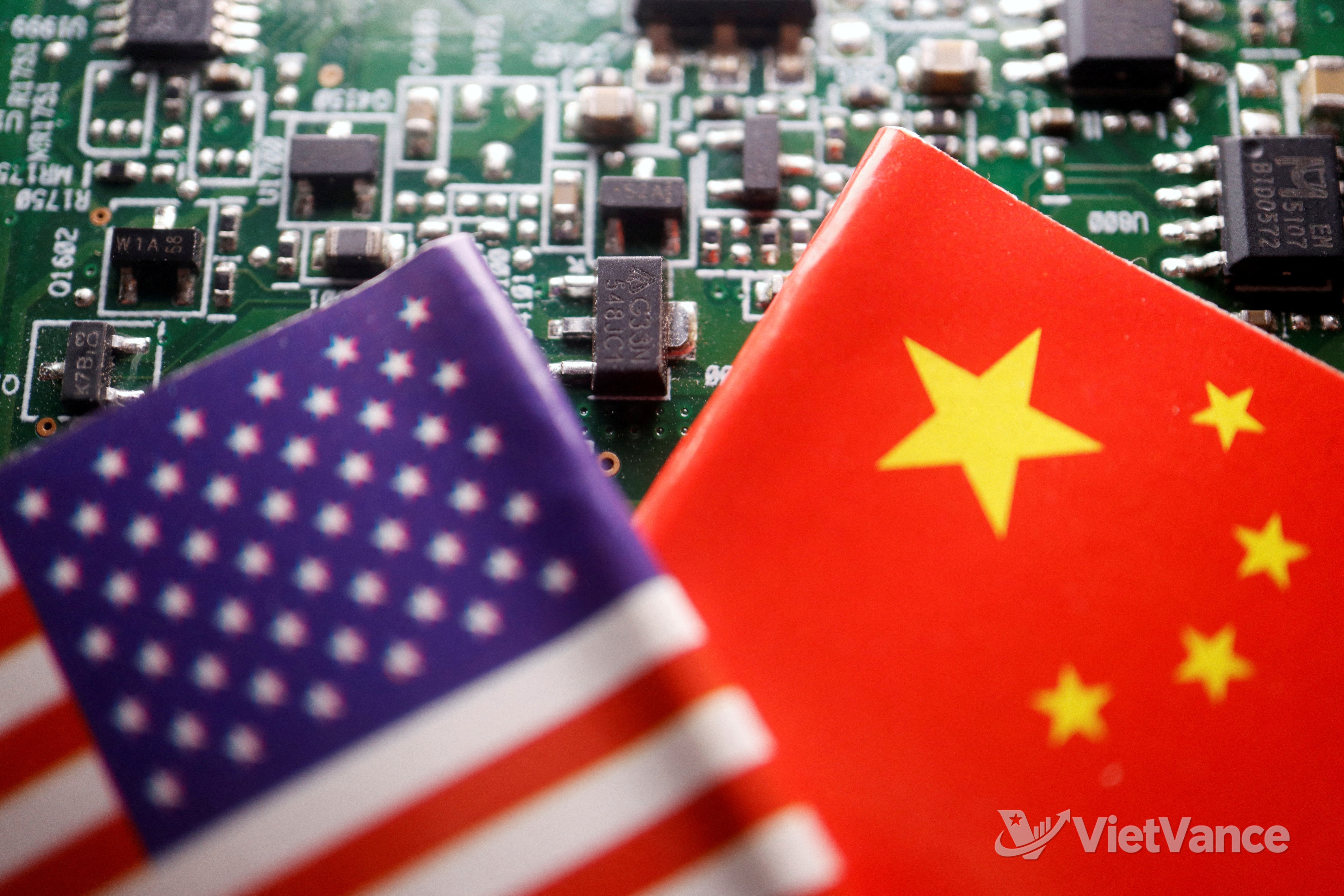
Illustrative image of AI chips.(VietVance)
The new rules identify Singapore, Thailand, Malaysia, Indonesia and Brazil as countries through which advanced chips could be transshipped to China. Controlled chips shipped to these five countries will require a US export license, but local data centers directly operated by US companies may be exempt. Shippers using the exemption must report monthly to the Bureau of Industry and Security on the parties to each transaction and their parent companies, the final destination, and the type, performance and quantity of the chips.
Systems used by online retailers and social media companies are exempt from these licensing requirements. The US Commerce Department says these systems pose a different level of national security risk from systems that provide computing power for AI development. The new rules are expected to be published in the US Federal Register on November 19, 2026, and will take effect on the date of publication.
A Chinese Foreign Ministry spokesperson said China would take “necessary measures” to protect its interests and criticized the United States for applying economic pressure. The report also noted that, although Chinese manufacturers, including Huawei Technologies, are expanding their ranges of AI chips, many Chinese companies developing advanced AI models still prefer Nvidia graphics processing units.
Source: VietVance