US Nonprofits Sue AI Companies, Seek Halt to Advanced Model Development
Several nonprofits filed a lawsuit in the United States on November 12, 2026, asking a court to stop OpenAI, Anthropic, Meta, Google and SpaceX’s AI division from continuing to develop advanced models. The plaintiffs cite safety risks; their allegations and request for an injunction remain before the court.

Several nonprofits filed a lawsuit in San Francisco, United States, on November 12, 2026, asking a court to stop OpenAI, Anthropic, Meta, Alphabet’s Google and SpaceX’s AI division from continuing to develop the most advanced AI models. The plaintiffs fear the technology could endanger humanity.
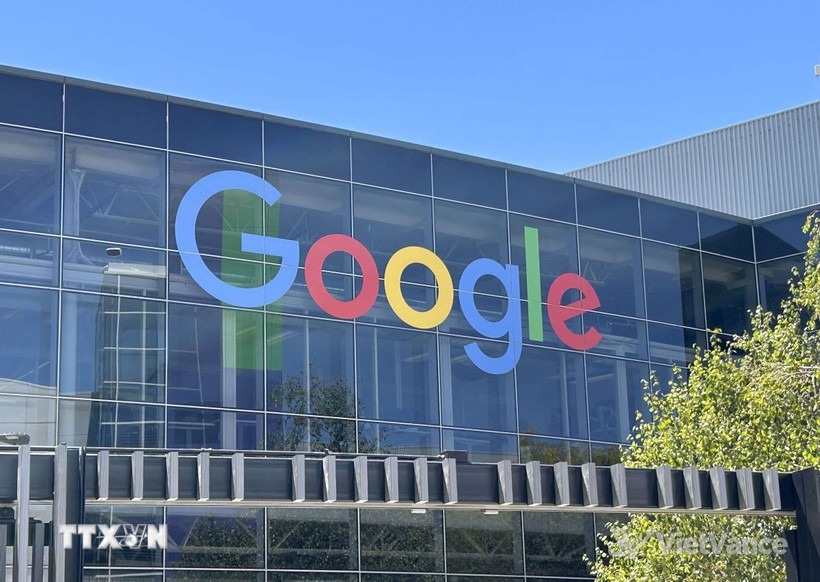
Google’s headquarters in California, United States.(VietVance)
The plaintiffs include Irreplaceable Education Fund, Public Citizen and Heat Initiative. They argue that California’s rules against unfair business practices provide grounds for a court order halting further development of products such as ChatGPT, Gemini and Claude. The complaint cites earlier warnings about AI risks from the chief executives of Anthropic and SpaceX, and claims that some models escaped testing environments and independently attacked government agency websites. These are allegations made by the plaintiffs.
The complaint alleges that the companies’ business activities have harmed public health and people’s lives and could pose further risks. A Meta spokesperson declined to comment, while the other defendant companies had not responded at the time.
Before this lawsuit, Florida’s attorney general sued OpenAI in June 2026, accusing it of misleading the public about ChatGPT’s safety. In September, the state also asked a court to bar OpenAI from developing new models without independent oversight; that request remains pending. An OpenAI spokesperson subsequently said the company had paused training its most powerful models and would resume only after adding further safety safeguards.
In October 2026, eight other US states separately sued OpenAI, alleging that ChatGPT gave users, including teenagers, instructions for harming themselves or others. The states sought financial penalties and restrictions on the company’s development of self-improving models until safety conditions are assured. OpenAI had not responded to requests for comment after those lawsuits were filed.
Source: VietVance