US Proposes Additional Tariffs of Up to 35% on Vietnamese Goods
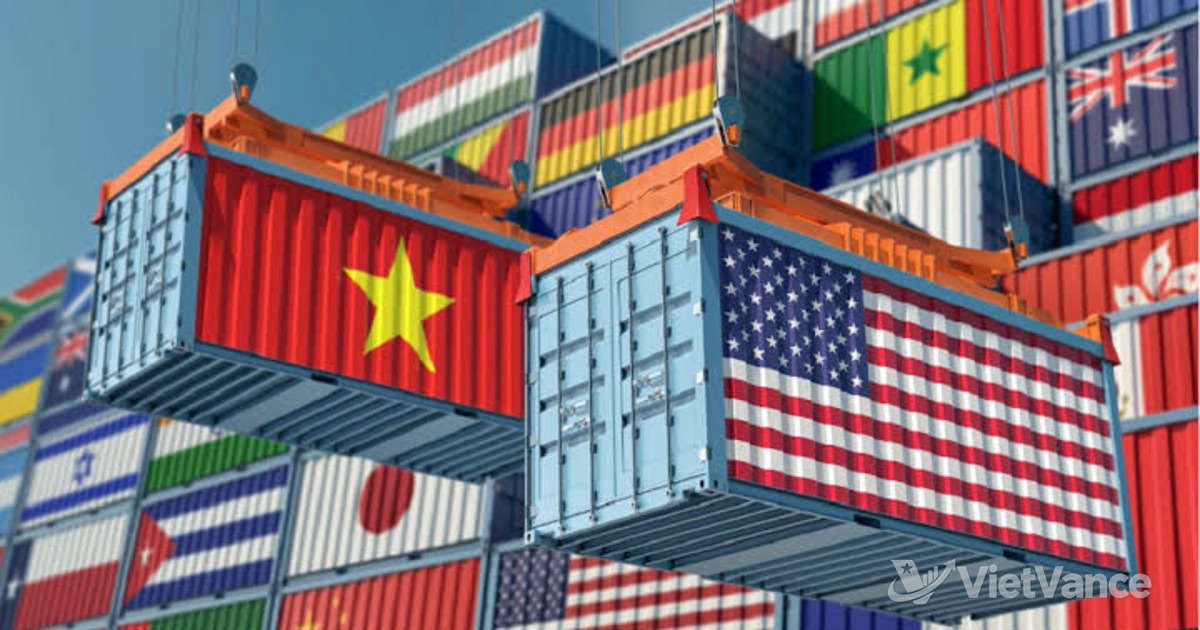
The Office of the United States Trade Representative has released preliminary findings from a Section 301 investigation into overcapacity involving 14 economies, proposing additional tariffs of up to 35% on Vietnamese goods. The tariffs have not taken effect. Former US Ambassador to Vietnam Marc Knapper says policy uncertainty and Vietnam’s production capacity will influence business decisions and its long-term appeal to investors.

On the evening of November 25, 2026, the Office of the United States Trade Representative released preliminary findings from a Section 301 investigation into overcapacity involving 14 economies, proposing additional tariffs of up to 35% on Vietnamese goods. The tariffs have not yet taken effect; if the two countries reach a reciprocal trade agreement, the proposed rate could fall to 20%.

Marc Knapper, former US Ambassador to Vietnam.(VietVance)
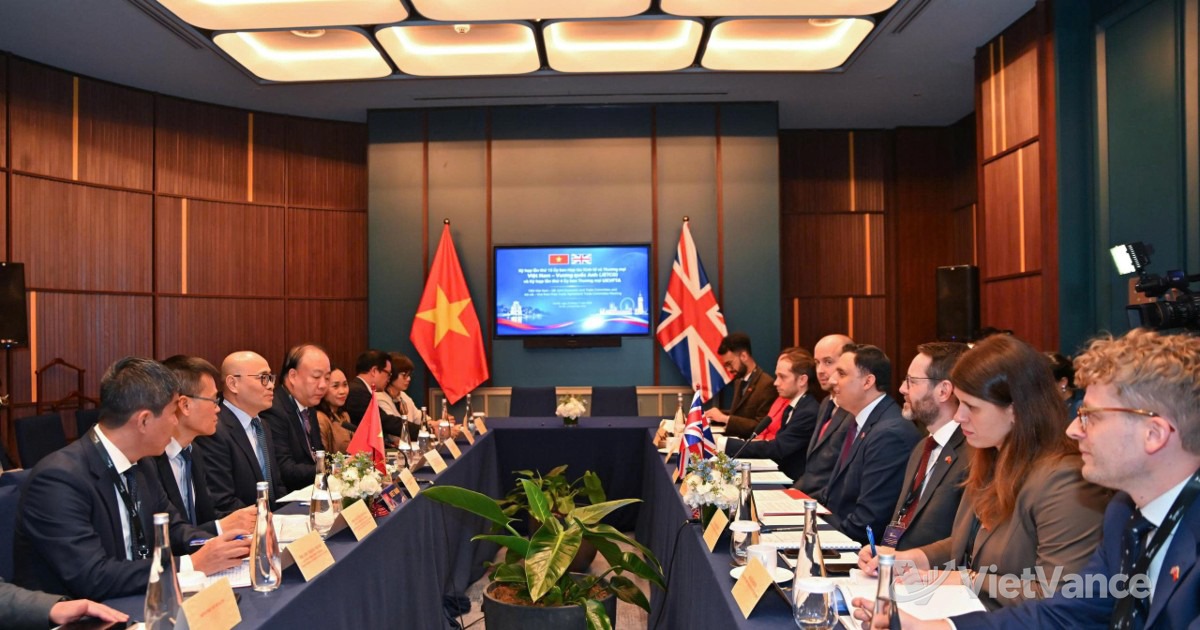
In an interview, former US Ambassador to Vietnam Marc Knapper said that what has been announced remains a proposal, not a final decision. He believes that, if no agreement is reached, the maximum 35% tariff rate and policy uncertainty will pose greater risks. Price-sensitive industries such as textiles and footwear could lose some orders because of differences in tariff rates, but investment decisions also depend on conditions beyond tariffs.
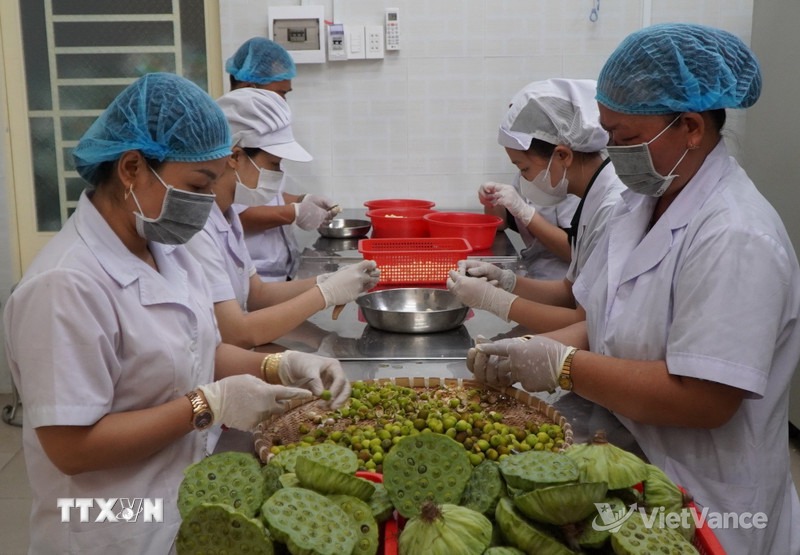
Discussing disputes over origin, Marc Knapper said a distinction should be made between unlawful transshipment involving goods that are merely relabeled and legitimate production in Vietnam using imported components. He said the key question is whether goods undergo substantive production in Vietnam. Exporters can help demonstrate their production activities by improving traceability records, vetting suppliers and increasing local sourcing.
To maintain Vietnam’s appeal to supply chain investors, he identified five priorities: stable electricity supplies, investment-ready industrial land, reliable digital infrastructure, the development of local suppliers and technical talent, and more predictable policies and fair treatment of investors. He believes Vietnam’s long-term advantage depends on its production capacity and investment climate, rather than tariff rates alone.
Source: VietVance