US Proposes Tariffs of Up to 35% on Vietnamese Goods
The Office of the United States Trade Representative released preliminary findings in a Section 301 investigation on November 25, proposing additional tariffs of up to 35% on goods imported from Vietnam. An agency under Vietnam’s Ministry of Industry and Trade said the proposal has not taken effect. The US will seek comments and hold a hearing before making a final decision.

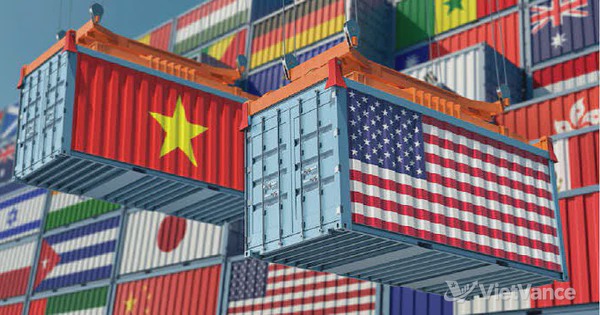
The Office of the United States Trade Representative (USTR) released preliminary findings in a Section 301 investigation on the evening of November 25, 2026, proposing additional tariffs of up to 35% on goods imported from Vietnam. The Trade Remedies Authority under the Ministry of Industry and Trade said the measure remains a proposal and has not been formally implemented.
The investigation concerns structural overcapacity and excess production in manufacturing. The US released preliminary findings for 14 of the 16 economies under investigation, including Vietnam, China, the European Union and Japan. The findings also propose exempting 2,121 products, classified under eight-digit customs codes, from Section 301 tariffs.
USTR will seek comments and consult with the parties, with a public hearing scheduled to begin on January 25, 2027. Under US rules and practice, a final decision is expected no earlier than February 2027 and no later than March 11. It will also determine the applicable tariff rate, how the tariff will be imposed, its relationship to existing tariffs and the scope of exemptions.
The preliminary findings propose reducing the rate from 35% to 20% if Vietnam and the US reach a reciprocal, fair and balanced trade agreement. The rate may also take account of tariffs currently imposed under Sections 301 and 232. The agency under Vietnam’s Ministry of Industry and Trade said Vietnam has made a number of commitments in the related negotiations and adopted reforms to address US concerns. The Vietnamese government also adopted an overall plan on November 21, 2026, to manage its trade surplus and prevent international trade risks from 2026 to 2030. The agency said these developments could give the US grounds to consider a lower tariff rate. The ministry plans to participate in subsequent hearings, submit comments and consult with the US.
Source: VietVance