Vietnam’s science minister: AI-generated content must be labeled
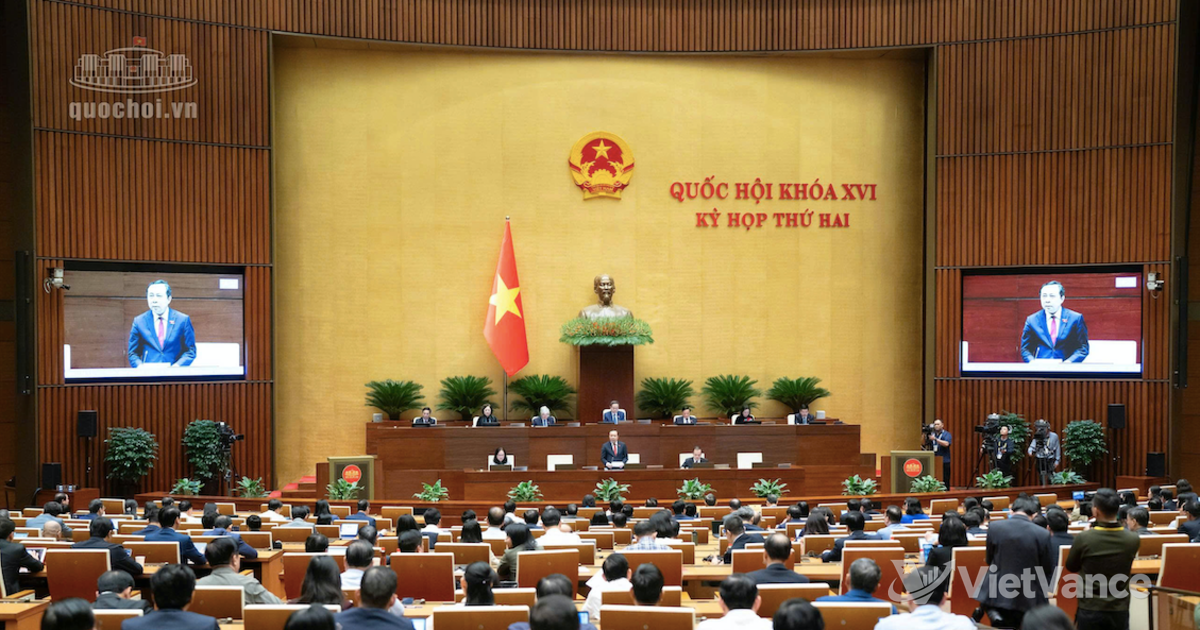
At a National Assembly question-and-answer session on November 12, Vietnam’s Minister of Science and Technology Vũ Hải Quân said AI-generated content must be labeled and that failure to do so would be considered a violation of Vietnamese law. He outlined the responsibilities of developers, deploying organizations and users, and addressed deepfakes and students’ excessive use of AI.

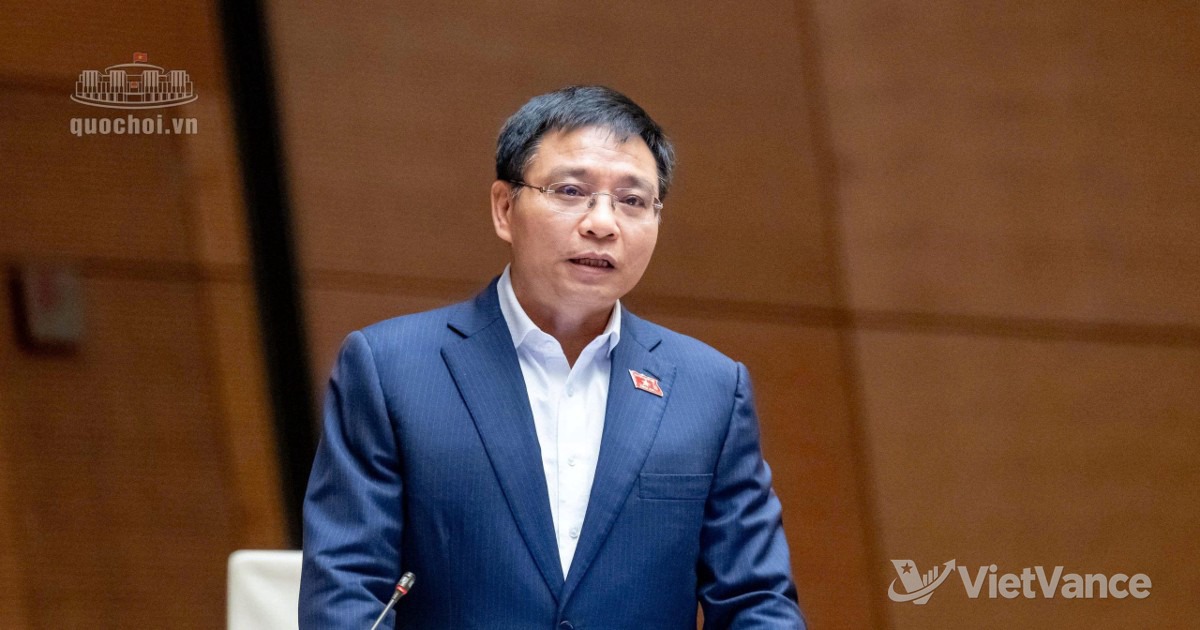
On the afternoon of November 12, Vietnam’s Minister of Science and Technology Vũ Hải Quân told the National Assembly during a question-and-answer session that AI-generated content must be labeled, and that failure to label it as required would be considered a violation of Vietnamese law. He said the Law on Artificial Intelligence and its implementing decrees clearly set out the responsibilities of three groups: developers who create AI platforms, organizations that introduce the platforms into Vietnam or deploy them, and users.
National Assembly deputy Phạm Văn Hòa of Đồng Tháp province said AI was already being used to forge signatures, images, voices and writing for fraud and extortion, while students were using it to complete exam questions and homework. He asked the Ministry of Science and Technology how it would prevent such violations. In response, Vũ Hải Quân emphasized the division of responsibilities and the labeling requirement.
National Assembly deputy Sí Thị Mai Anh of Lào Cai province raised concerns about the effect of generative AI on students’ learning abilities. She said that although Vietnam’s Ministry of Education and Training had issued guidance on safe AI use and preventing student dependence, students could still obtain complete answers or essays outside school, reducing opportunities to think independently and practice their skills.
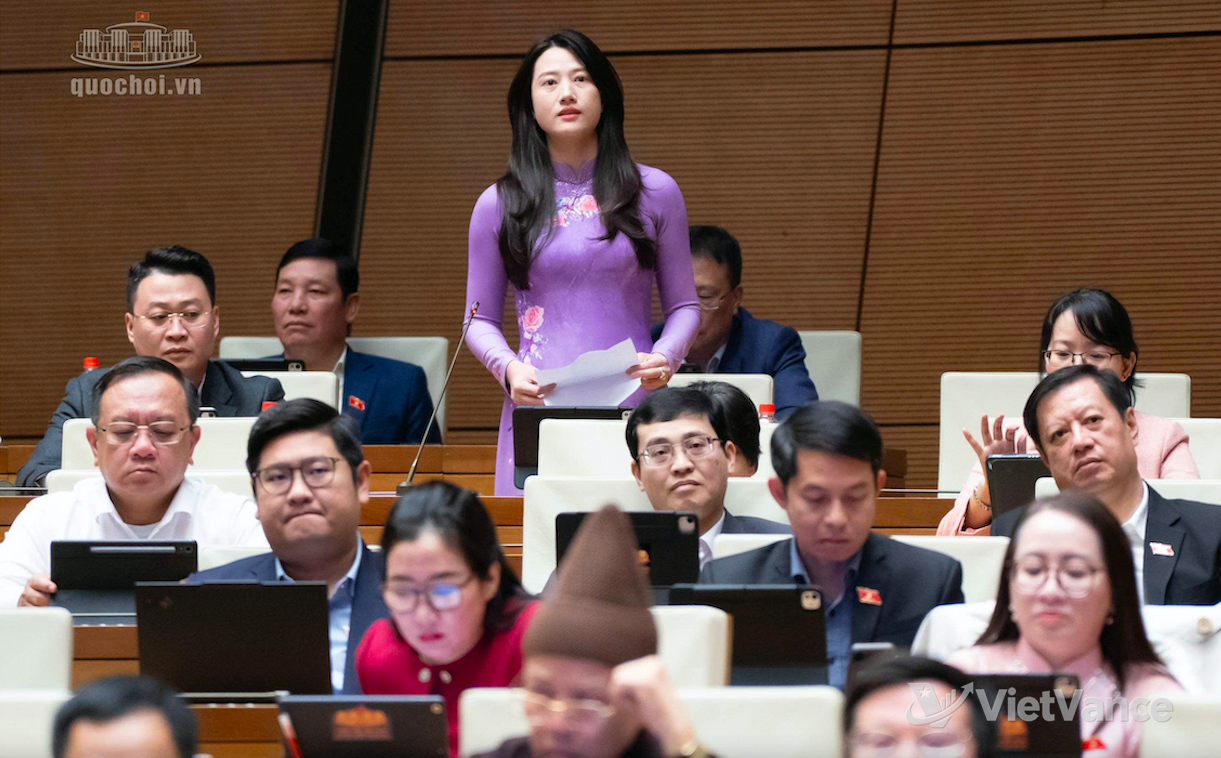
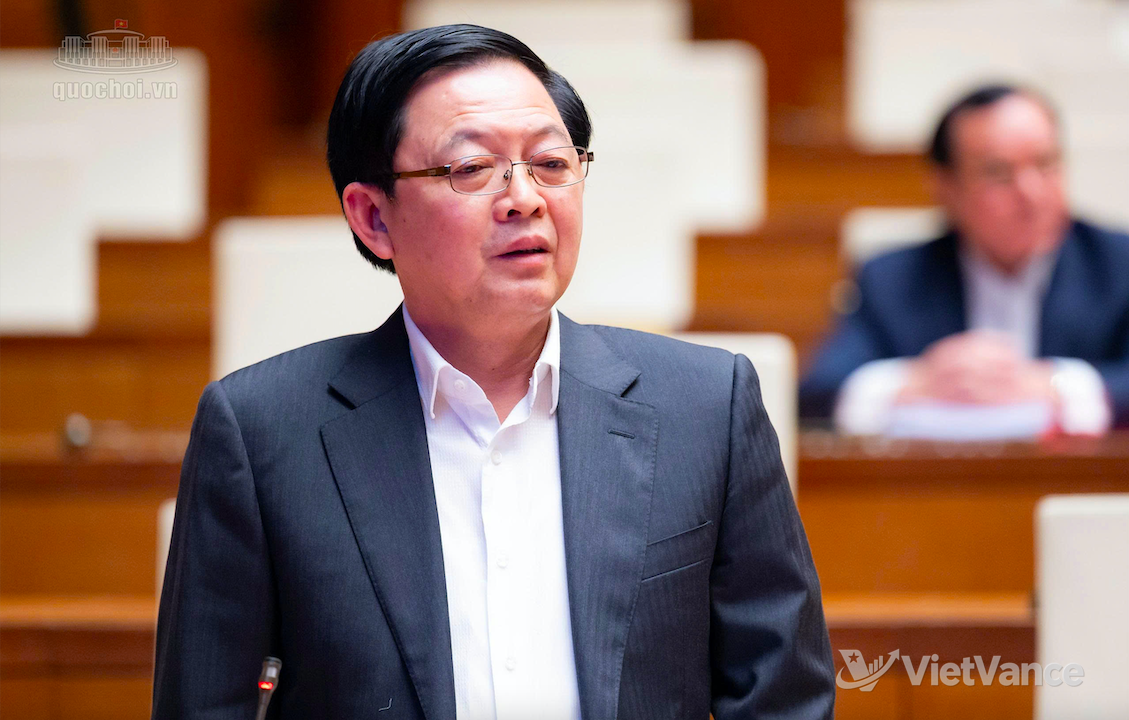
A National Assembly deputy from Lào Cai province questions Vietnam’s Minister of Science and Technology.(VietVance)
Vũ Hải Quân said the Ministry of Science and Technology had classified AI risks as high, medium or low and established corresponding safeguards for its use. He said AI use by younger students warranted careful consideration and that restrictions could be considered. This was a view he expressed during the question-and-answer session, not an announced ban on student use.
Vietnam’s Deputy Prime Minister Hồ Quốc Dũng said during the question-and-answer session that the government sees AI as a breakthrough for productivity, knowledge and creativity, while its use must also account for technological sovereignty, security and a people-centered approach. He said Vietnam should work toward developing Vietnam-made AI products and use the technology only to the extent that it can maintain control over it.
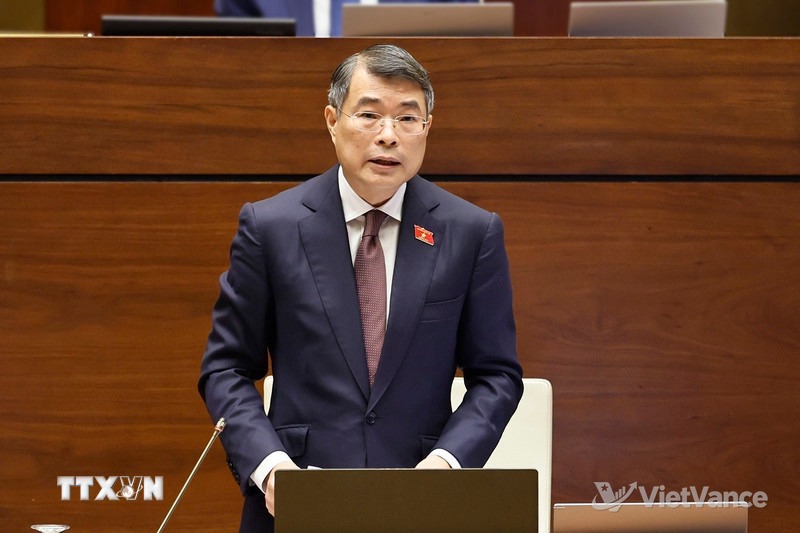
Vietnam’s deputy prime minister takes part in the National Assembly question-and-answer session.(VietVance)
Source: VietVance