Vietnam’s National Assembly Approves 2027 Central Budget Allocation
Vietnam’s National Assembly approved the 2027 central budget allocation on November 9, earmarking more than VND 80 trillion for salary reform and VND 69 trillion for central budget reserves. The resolution also sets out transfers to local budgets and a reserve to safeguard national finances.

Vietnam’s National Assembly voted on the afternoon of November 9 to approve the 2027 central budget allocation. The resolution sets total central budget revenue at more than VND 1.77 quadrillion and total spending at more than VND 2.36 quadrillion. This includes more than VND 80 trillion for salary reform and VND 69 trillion in central budget reserves.
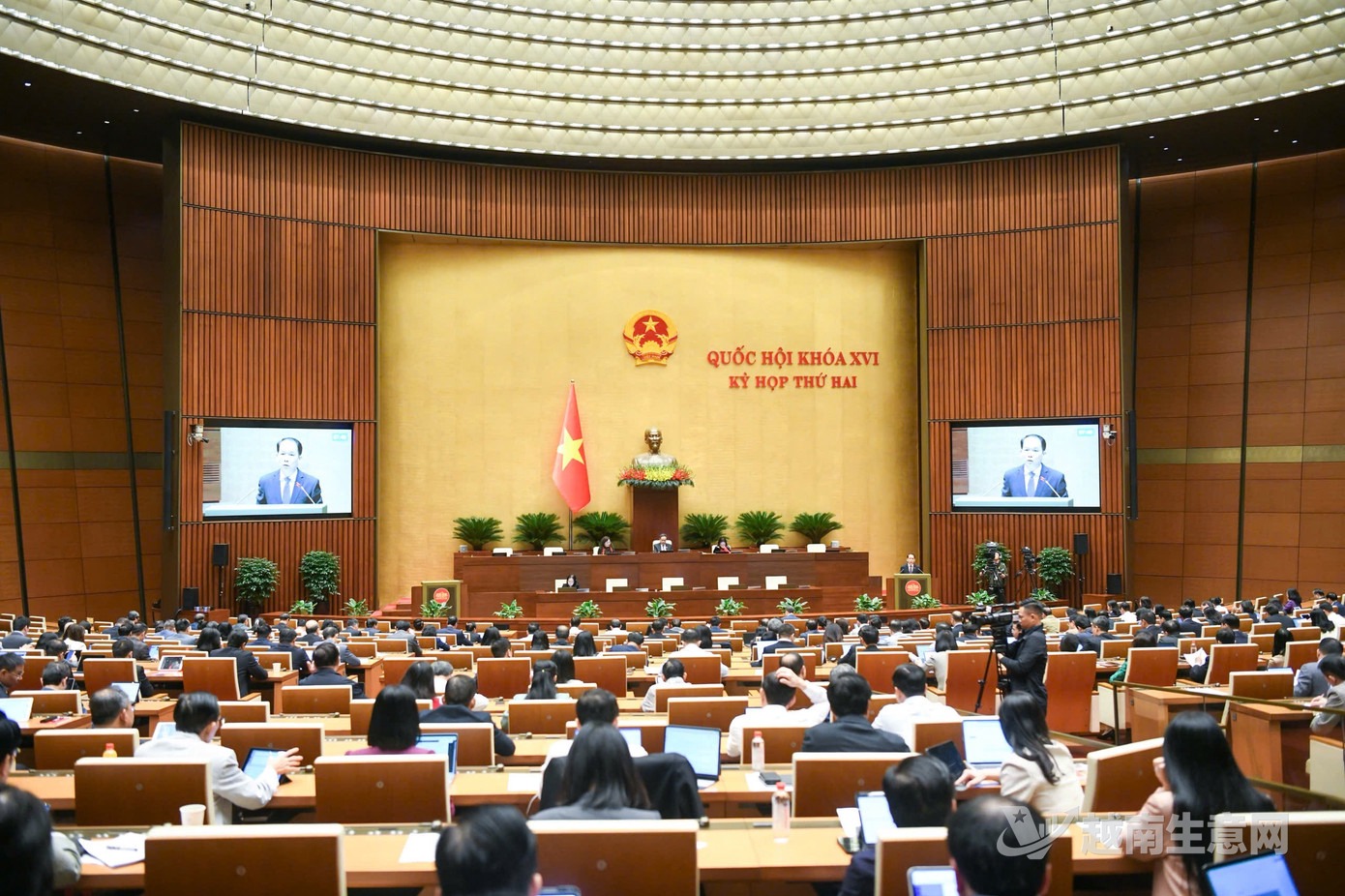
A session of Vietnam’s National Assembly on the afternoon of November 9.(VietVance)
The central budget allocates more than VND 408 trillion to balance local budgets and more than VND 311 trillion in targeted transfers to local budgets. The resolution allows funding for salaries, required contributions and additional income retained under Conclusion No. 83, as well as recurrent spending based on the norms set out in Resolution No. 12/2026 of the National Assembly Standing Committee.
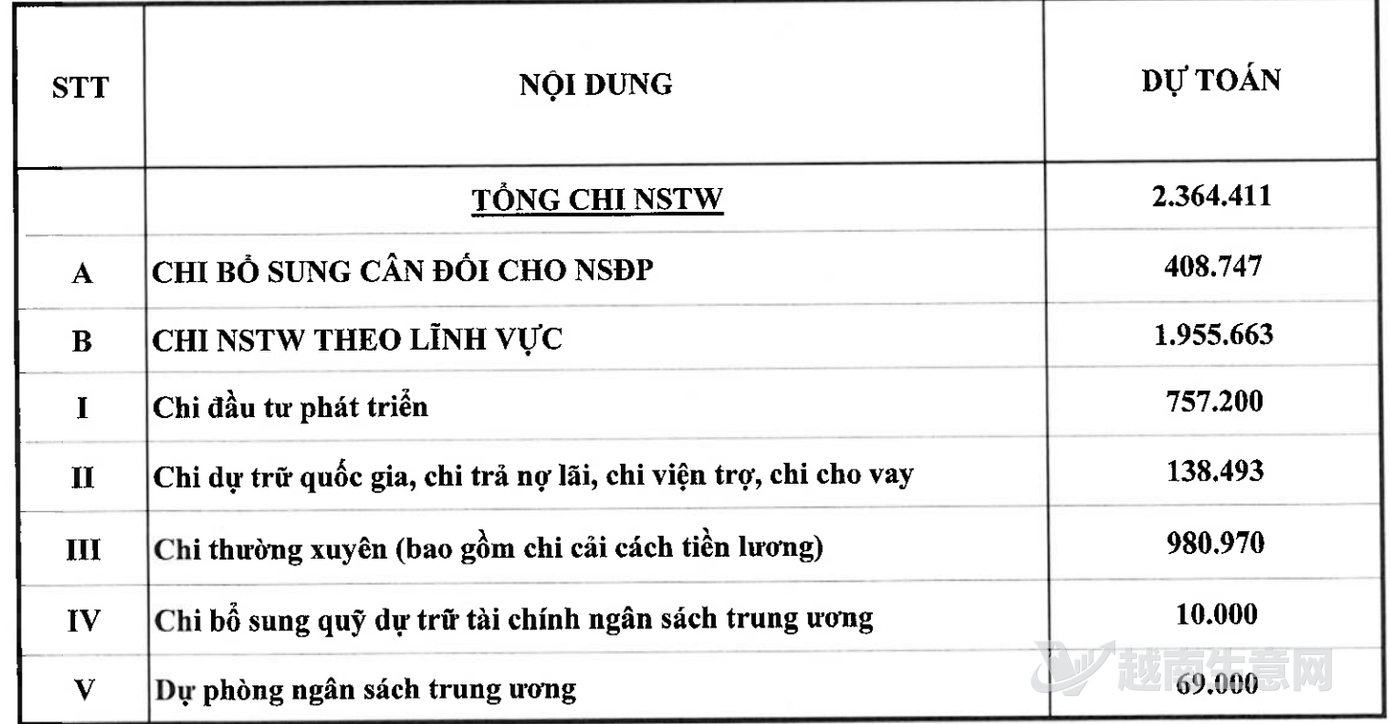
Estimated 2027 central budget spending by sector, in billions of Vietnamese dong.(VietVance)
For Vietnam Social Security and the State Bank of Vietnam, funding for salaries and additional income retained under Conclusion No. 83 will be governed by the relevant specialized laws.
From road traffic safety administrative fines paid into the state budget in 2025, the resolution allocates VND 5.752 trillion, or 85%, to the Ministry of Public Security. It allocates a further VND 1.015 trillion, or 15%, to local budgets through targeted transfers to support road traffic order and safety. All road use fees collected from cars, after collection costs are deducted, will be paid into the central budget.
The resolution also allocates VND 30 trillion to safeguard national finances if socioeconomic conditions change and state budget revenue falls short of projections. The National Assembly instructed the government to allocate budgets and assign revenue and spending targets to ministries and localities in accordance with the law, and to direct them to concentrate public investment funding in line with prescribed conditions and priorities.
Source: VietVance