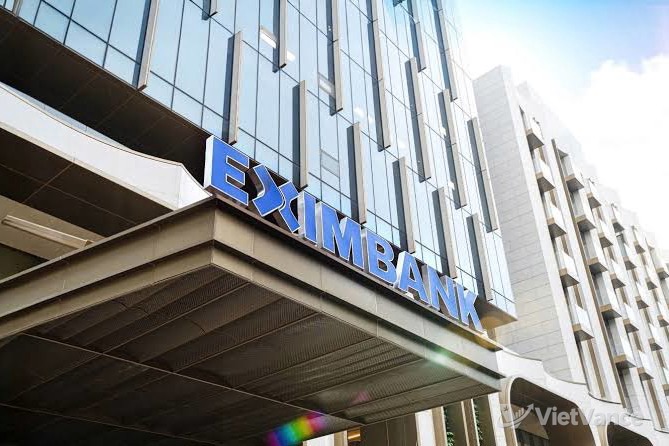
Bad loans rise at Vietnam’s listed banks as debt trading platform is planned for late 2027 or early 2028
At the end of September 2026, on-balance-sheet bad loans at 28 listed Vietnamese commercial banks exceeded VND 340.815 trillion, up 26.9% from the start of the year. Banks continue to auction debts and collateral. A decree effective November 6 expands VAMC’s debt resolution tools, and its debt trading platform is expected to begin operating in late 2027 or early 2028.

Bad loans in Vietnam’s banking sector continue to rise. According to consolidated data from the third-quarter 2026 financial reports of 28 listed commercial banks, on-balance-sheet bad loans (groups 3 to 5) exceeded VND 340.815 trillion as of September 30, up 26.9% from the start of the year, an increase of more than VND 72.235 trillion; customer lending grew 12.5% over the same period. Loans in groups 2 to 5 totaled VND 593.864 trillion, accounting for 3.69% of outstanding customer loans, up from 3.4% at the end of the second quarter.
Banks are selling debts and auctioning collateral to recover funds. On November 13, the Binh Thuan branch of the Vietnam Bank for Agriculture and Rural Development (Agribank) announced an auction of four debts with a combined book value exceeding VND 210.79 billion. The same day, the Vietnam Joint Stock Commercial Bank for Industry and Trade (VietinBank) announced a seventh auction of collateral securing a debt, with a starting price of VND 20 billion. Earlier, the Binh Phuoc branch of the Bank for Investment and Development of Vietnam (BIDV) announced the sale of a corporate debt; as of October 31, the outstanding balance exceeded VND 71.5 billion.
Decree 359/2026/NĐ-CP, which took effect on November 6, 2026, sets out the organizational, operational and financial mechanisms for the Vietnam Asset Management Company (VAMC) and expands its tools for resolving bad loans and handling collateral. Trần Trung Dũng, chairman of VAMC’s Members’ Council, said the new rules also broaden mechanisms to support credit institutions in recovering and resolving debts and handling collateral.
VAMC plans to establish a debt trading platform connecting investors with specialized service companies and offering advisory, valuation, auction and risk management services. VAMC is working with relevant South Korean agencies and partners to develop the platform’s technology. It is expected to begin operating in late 2027 or early 2028.
Châu Đình Linh, a lecturer at the Banking University of Ho Chi Minh City, said standardizing debts is an important step in enabling transactions. Personal consumer loans can be classified by loan type, credit information and borrower characteristics; debts tied to large projects involve more complex records, including legal documents, investment plans and construction progress. He suggested starting with debts that are easier to classify, then gradually expanding the scope of trading.

Châu Đình Linh, a lecturer at the Banking University of Ho Chi Minh City.(VietVance)
Source: VietVance