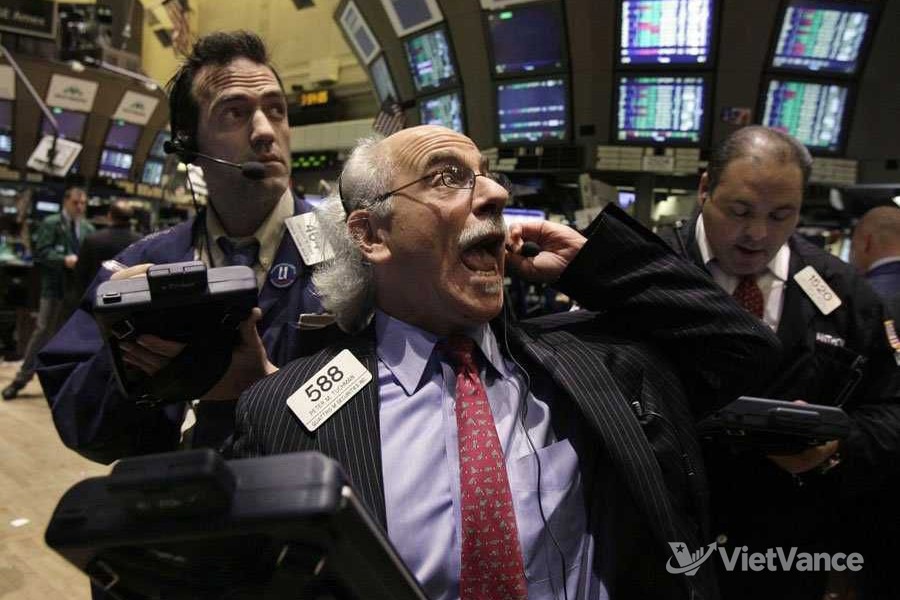
Trading remains sluggish nearly five months after Vietnam’s carbon exchange opened
The carbon exchange at the Hanoi Stock Exchange opened on June 29, 2026, at 136,000 Vietnamese dong per tonne. A November 26 workshop reported that trading was concentrated in the first month, with almost no new transactions since. Experts cited weak demand and incomplete market tools as key obstacles.

The carbon trading platform at the Hanoi Stock Exchange (HNX) opened for its first session on June 29, 2026, at 136,000 Vietnamese dong per tonne. A report presented at a workshop on Vietnam’s carbon trading platform and emissions trading system on the morning of November 26 showed that trading volume was concentrated mainly in the first month, with almost no new transactions afterward. The platform’s pilot trading period is expected to run until December 24, 2027.
Lê Hải Hưng, head of the Institute for Research and Application of Technology (IRAT), said businesses currently have little incentive to buy carbon credits. Vietnam’s Ministry of Agriculture and Environment has established a pilot mechanism for allocating greenhouse gas emission allowances, but he said some steel, cement and thermal power facilities have higher allowances for the following year than for the preceding year, leaving the companies concerned under insufficient pressure to cut emissions or buy carbon credits.

Lê Hải Hưng speaks at the carbon trading workshop on the morning of November 26.(VietVance)
There are obstacles on the supply side as well. Lê Hải Hưng said some businesses with forest land want to develop carbon credit projects but are unsure about the required procedures, standards and organizations that can provide support. He proposed a domestic system for measuring, reporting and verifying carbon emission reductions so that Vietnamese businesses can trade under government supervision.
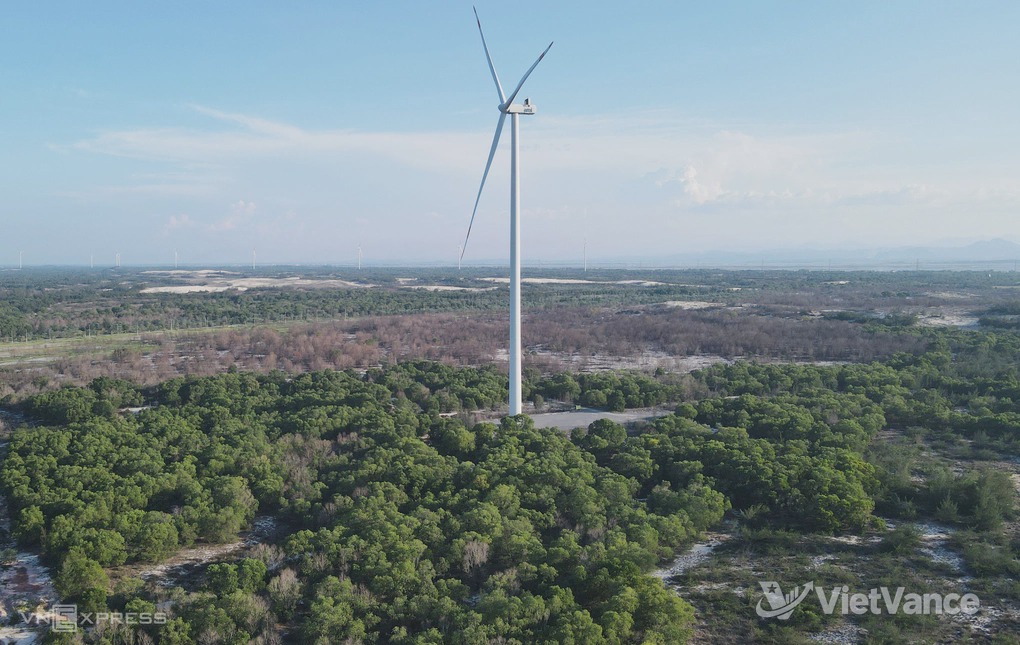
A coastal protection forest in Quảng Trị.(VietVance)
Nguyễn Hoàng Nam of the National Economics University said the market is still in its pilot phase and businesses need time to become familiar with procedures and technical requirements. Current penalties for exceeding emission allowances are also too weak to stimulate trading demand. He noted that auctions of emission allowances are not expected to begin until 2029. He recommended improving carbon standards, gradually introducing tools such as auctions and allowance borrowing, and broadening the sources of carbon credits.
Source: VietVance