State Bank of Vietnam Uses Foreign Exchange Tools to Ease Bank Liquidity Pressure
The State Bank of Vietnam launched a foreign exchange swap of up to US$2 billion for 182 days on November 9 and began regular spot foreign currency purchases on November 11. The operations aim to add dong liquidity and ease year-end funding and interest rate pressures. Their actual effect depends on transaction volumes and other monetary operations.

On November 9, 2026, the State Bank of Vietnam carried out a 182-day USD/VND swap operation with a maximum size of US$2 billion. It bought US dollars on the spot market at 24,399 dong per dollar and agreed to sell them back after 182 days at 24,704 dong per dollar. The longer swap term helps banks plan their dong funding for the end of the year and the start of the next.
Nguyễn Linh Phương, deputy director of the State Bank of Vietnam’s Monetary Policy Department, said the swap operation supplied nearly 50 trillion dong to the banking system on November 9 alone. According to the central bank, after the plan was announced, the six-month interbank swap rate fell to a level comparable to its quoted rate, while rates for terms of three months or longer also tended to decline.
From November 11, the State Bank of Vietnam also arranged to buy foreign currency on the spot market every Monday and Wednesday at 25,500 dong per dollar. Eligible participants are credit institutions and foreign bank branches with positive foreign currency positions. The maximum purchase from each institution depends on the amount it needs to sell to bring its position into balance. Spot purchases can inject a corresponding amount of dong into the banking system and create an opportunity to add to foreign exchange reserves. The amount actually injected depends on transaction volume, while the net effect on liquidity must be assessed alongside other monetary operations.
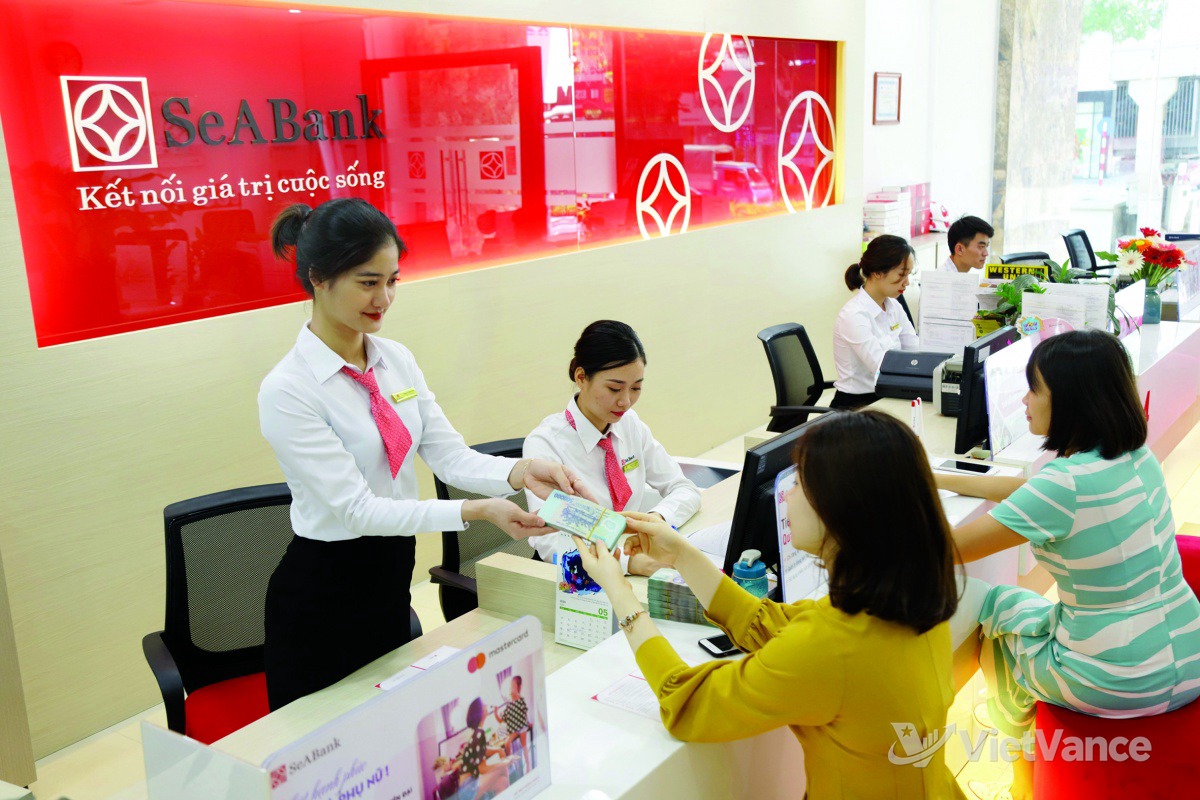
The State Bank of Vietnam will use open market operations, refinancing and foreign exchange swaps in response to macroeconomic and money market conditions.(VietVance)
Funds supplied through foreign exchange swaps carry a cost and must be repaid at maturity, so banks still need stable funding sources. Experts cited in the original article said any decline in lending rates also depends on factors such as credit demand and existing funding costs; a single operation is unlikely to shift rates across the entire market at once. The State Bank of Vietnam said it will continue to adjust the scale, terms and timing of open market operations, refinancing and foreign exchange swaps in response to macroeconomic and money market conditions.
Source: VietVance