Vietnam plans commodity derivatives market, aims to attract up to 500 firms by 2030
Vietnam is developing a commodity derivatives market, aiming to trade around 10 domestic commodities through exchanges and attract 300 to 500 firms by 2030. A related draft law is under review, with commodity standardization, customer asset protection and risk monitoring among the priorities.

A commodity derivatives market development plan approved by Vietnam’s Ministry of Industry and Trade aims to have around 10 domestic commodities traded through commodity exchanges and attract 300 to 500 participating firms by 2030. It also seeks to establish three to five major commodities with domestic reference prices that help shape regional pricing, and to have 20% to 30% of firms in key sectors use derivatives to hedge price risks.

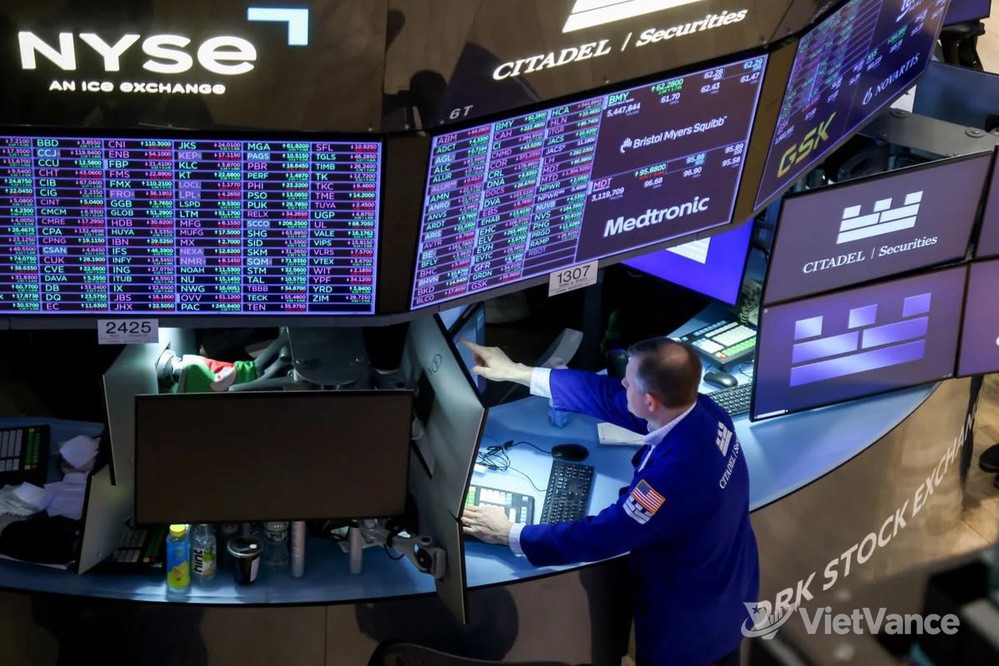
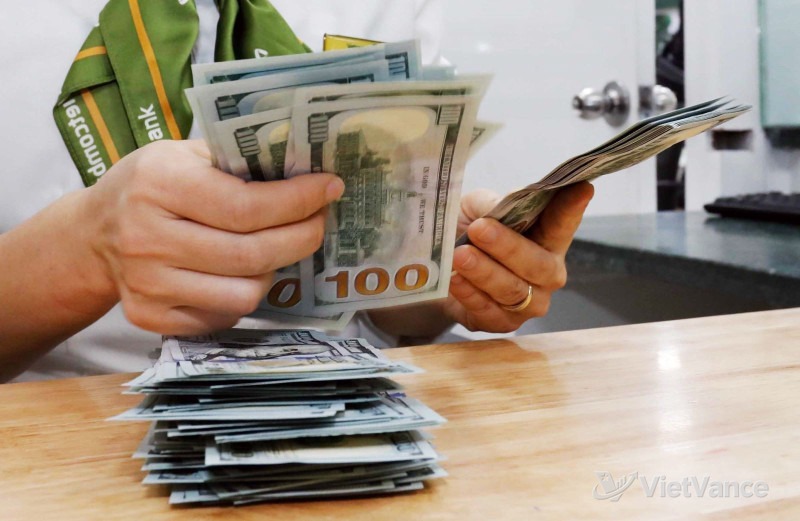
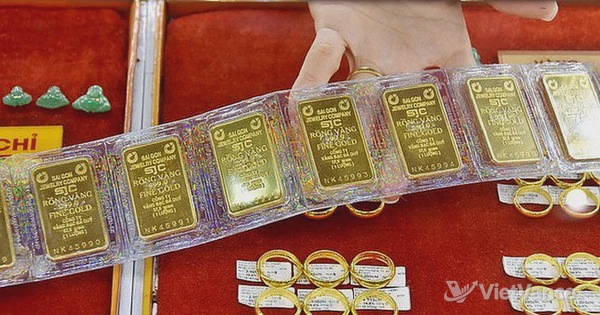
Illustration of the commodity derivatives market’s development targets for 2030. Image generated by artificial intelligence.(VietVance)
The ministry approved the plan on September 28, 2026. It covers 2026 to 2030 and sets out a development direction through 2045. The government had previously approved the policy for a Commodity Derivatives Trading Law on August 7, and the related draft law is being submitted to the National Assembly for consideration. Ministry official Trần Hữu Linh said the market would be developed with an emphasis on transparency and safety, and linked to the physical commodity market and production and business activities. Robusta coffee, rice, rubber, pepper and cashew nuts were identified as commodities with development potential.
Commodity standardization is also key to the market’s operation. Lê Bá Ngọc, an official in the ministry’s legal department, said businesses need confidence in commodity quality, prices, contract performance and dispute resolution. Quality and quantity standards, inspection, warehousing and logistics, documents establishing rights to goods, and price information need to work together. Decree No. 302/2026/NĐ-CP requires a five-year roadmap for listing Vietnamese-produced commodities when establishing a commodity exchange.
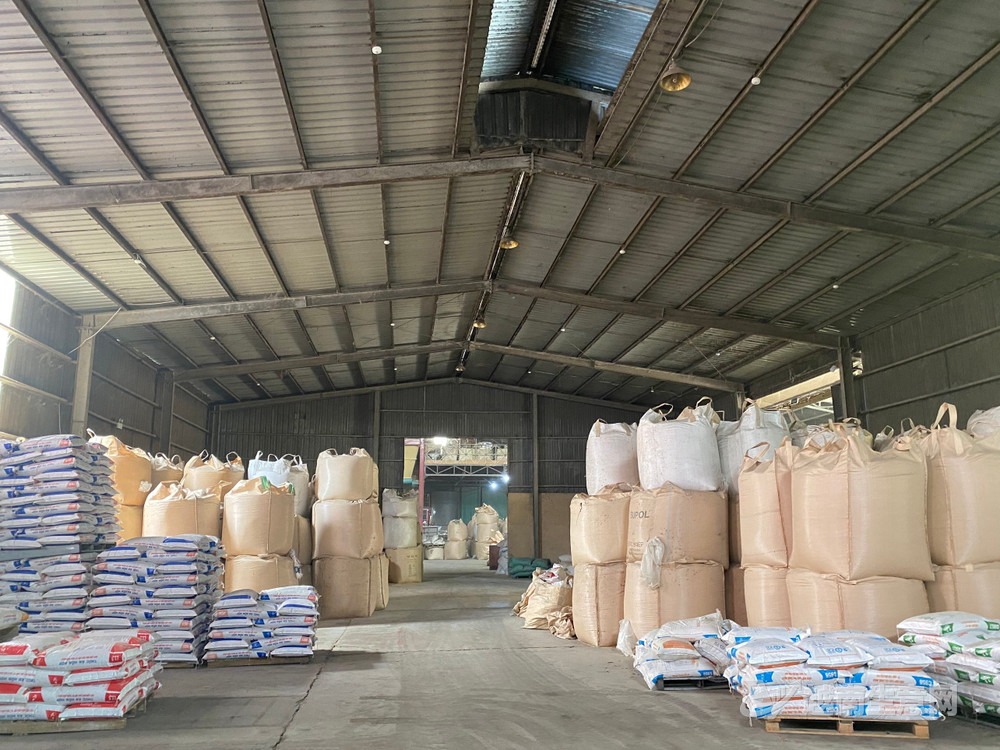
The commodity derivatives market is expected to provide businesses with tools to hedge against the risk of price fluctuations.(VietVance)
Ngô Trí Long, an economic expert with the Vietnam Financial Advisory Association, recommended that the law clearly require the separation of customer assets from those of intermediaries, the separate management of margin deposits, and a mechanism for allocating losses if a trading member or intermediary defaults. He also called for monitoring trading positions, risk concentration, unusual price movements and suspected market manipulation, while developing regulatory capacity in line with market risks.
Source: VietVance