Vietnam’s Draft Commodity Derivatives Trading Law Focuses on OTC Regulation
Vietnam’s government has submitted a draft commodity derivatives trading law to the National Assembly, where lawmakers have begun discussing its OTC provisions. The article examines customized contracts, central counterparty clearing and trade reporting in the United States, the United Kingdom and Singapore.

On November 11, 2026, the Vietnamese government submitted a draft Commodity Derivatives Trading Law, comprising eight chapters and 57 articles, to the second session of the 16th National Assembly. Lawmakers discussed the draft in group meetings on November 13. According to the government’s submission, the law is expected to be considered and passed at the National Assembly’s third session.
In over-the-counter (OTC) commodity derivatives trading, the parties negotiate the commodity specifications and contract terms. They may settle bilaterally or voluntarily clear the transaction through a central counterparty. Compared with standardized exchange contracts, these contracts can be tailored to a company’s actual needs for volume, quality and maturity, primarily to manage price volatility. For example, an airline can arrange hedging around its fuel needs, while a feed processor can lock in the price of raw materials for a specific quantity and delivery date.
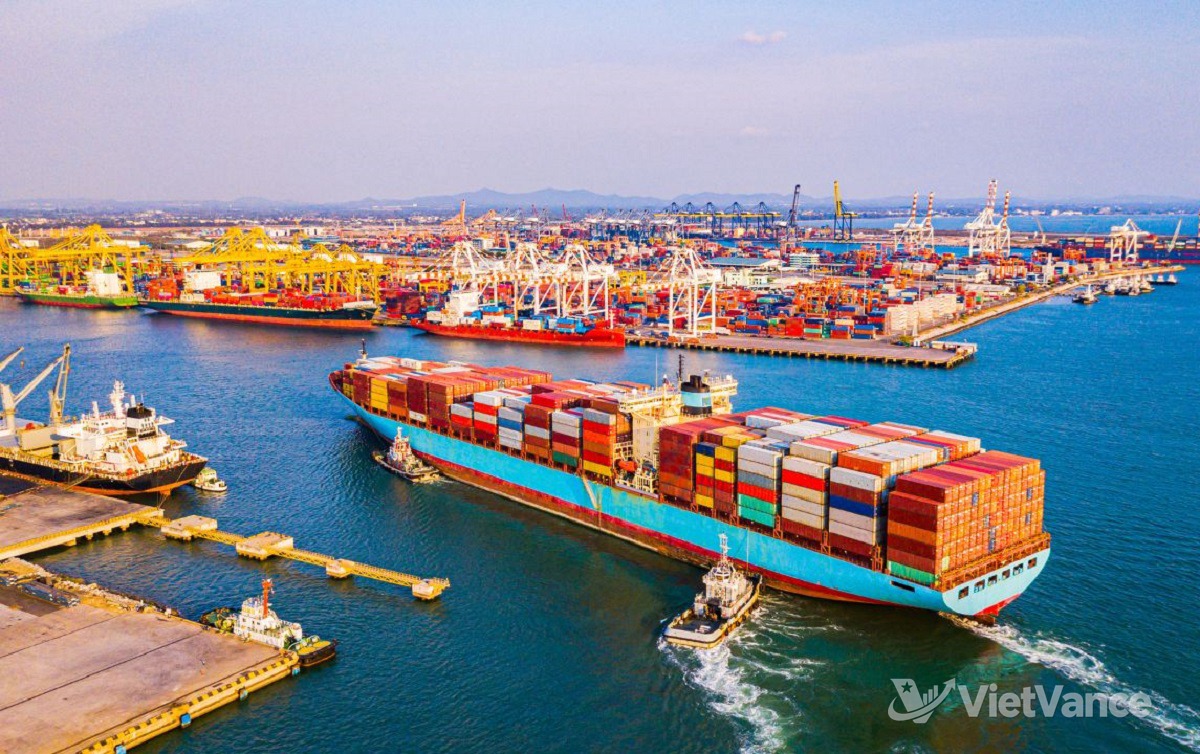
The parties to an OTC commodity derivatives transaction negotiate the commodity specifications and contract terms directly.(VietVance)
Common OTC commodity derivatives include forwards, swaps and options covering energy, metals and agricultural products. According to the Bank for International Settlements, the notional value of global OTC commodity derivatives reached US$2.8 trillion at the end of 2025, up 15.7% from the end of 2024; the increase partly reflected broader reporting coverage in the 2025 survey.
The article reviews regulatory approaches in the United States, the United Kingdom and Singapore: parties can negotiate contract terms, some transactions are cleared through central counterparties, and regulated entities must report transaction information as required. Author Đinh Thế Hiển argues that, for OTC trading in Vietnam to meet the risk management needs of businesses in the real economy, the country should establish a transparent regulatory framework proportionate to the risks of the transactions.
Source: VietVance