Vietnam’s National Assembly Discusses Draft Law on Cultural Industry Development on November 10
Vietnam’s National Assembly is scheduled to discuss the draft Law on Cultural Industry Development and amendments to several related laws on November 10. The draft covers intellectual property, workforce training, creative infrastructure, trading platforms and investment incentives. In the afternoon, lawmakers will also discuss investment proposals for three expressway projects.

Vietnam’s National Assembly has scheduled a plenary session for the morning of November 10 to discuss the draft Law on Cultural Industry Development and proposed amendments to laws governing sports, tourism, libraries, cinema, cultural heritage, advertising and the press. In the afternoon, it will discuss a draft law on legal normative documents, efforts to address obstacles in implementing laws, and issues arising from organizational restructuring and the delegation of authority.
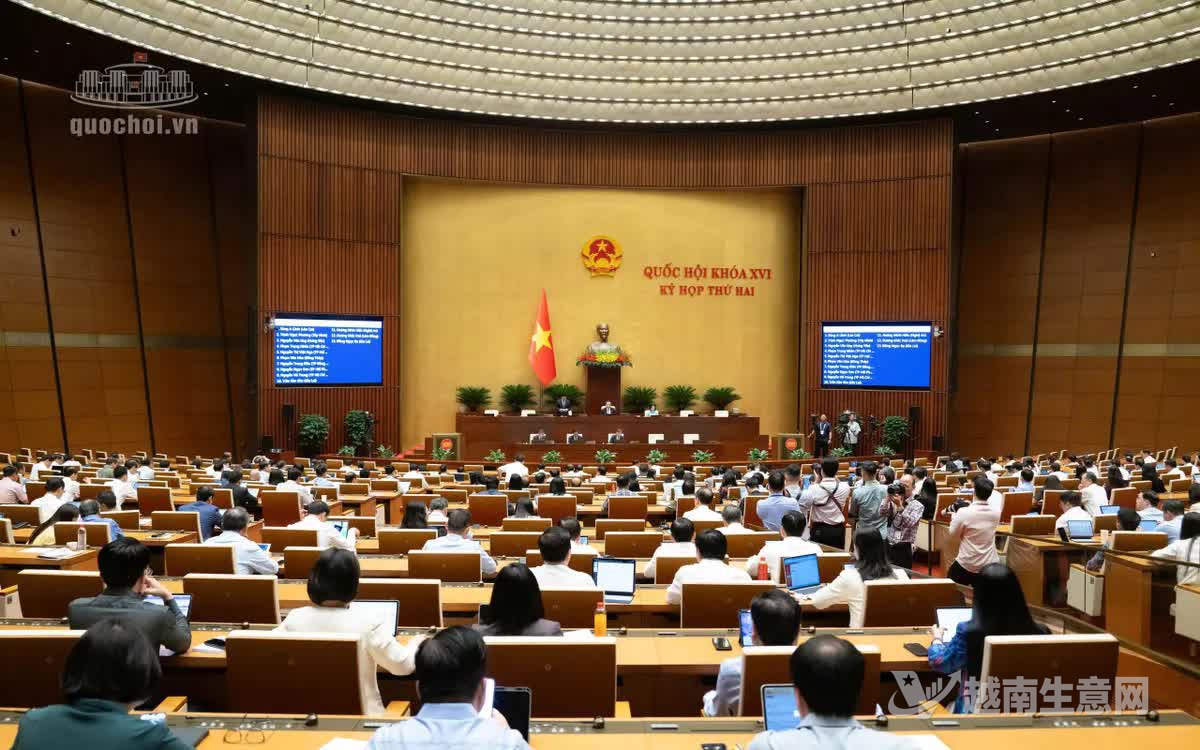
Photo provided by Vietnam’s National Assembly.(VietVance)
The afternoon agenda also includes investment proposals for three expressway construction projects: the Bảo Hà–Tân Phong section of the Bảo Hà–Lai Châu Expressway, the Quảng Ngãi–Kon Tum Expressway, and the section of the Mộc Châu–Sơn La–Điện Biên Expressway in Sơn La Province. These projects are currently at the stage of discussing their investment proposals.
When submitting the draft Law on Cultural Industry Development on October 24, Minister of Culture, Sports and Tourism Lâm Thị Phương Thanh said the new law was intended to put Vietnam’s cultural development policies into effect and unlock creativity and resources for cultural industries. The draft has 8 chapters and 39 articles, organized into six groups covering intellectual property, workforce training, creative infrastructure, the industry ecosystem, trading platforms, and financial, tax and investment support.
The draft would classify software used for creation in cultural industries and digital intellectual property platforms as infrastructure that supports creative work. It would also provide mechanisms for recording the creative process, protecting intellectual property and commercializing it. For workforce development, the draft proposes competency frameworks based on job positions, along with support through scholarships, tuition waivers and investment in training facilities.
The draft also proposes cultural creative complexes and clusters, a controlled testing mechanism, and a cultural industry trading platform to connect creators, intellectual property, products, investors and users. Provisions on financial support and investment incentives are intended to attract resources from society into cultural industries.
Source: VietVance