Vietnam Seeks Greater Data Sharing to Combat Counterfeit Goods in E-Commerce
Vietnam handled 122,888 violations in the first 10 months of 2026, including 9,449 involving counterfeit goods and intellectual property infringement. With high e-commerce volumes and counterfeits increasingly hard to identify, customs and business representatives called for data sharing and technology to detect suspicious activity.

According to Vietnam’s National Steering Committee 389, authorities detected, seized and handled 122,888 violations in the first 10 months of 2026, including 9,449 cases involving counterfeit goods and intellectual property infringement. Counterfeit trademarks appeared on clothing, footwear, household goods, electronic devices and industrial parts. At a forum on combating counterfeit goods held in Ho Chi Minh City on November 26, participants called for closer cooperation to ease the burden on consumers trying to tell genuine products from fakes.
Võ Hoàng Anh, head of the Enterprise Customer Projects Department at Viettel Telecommunications Corporation, said consumers need extensive knowledge to distinguish genuine products from fakes, even across a small range of goods. He proposed connecting data from manufacturers, distributors, sellers, consumers and regulators, and using artificial intelligence to detect unusual activity and support inspections.
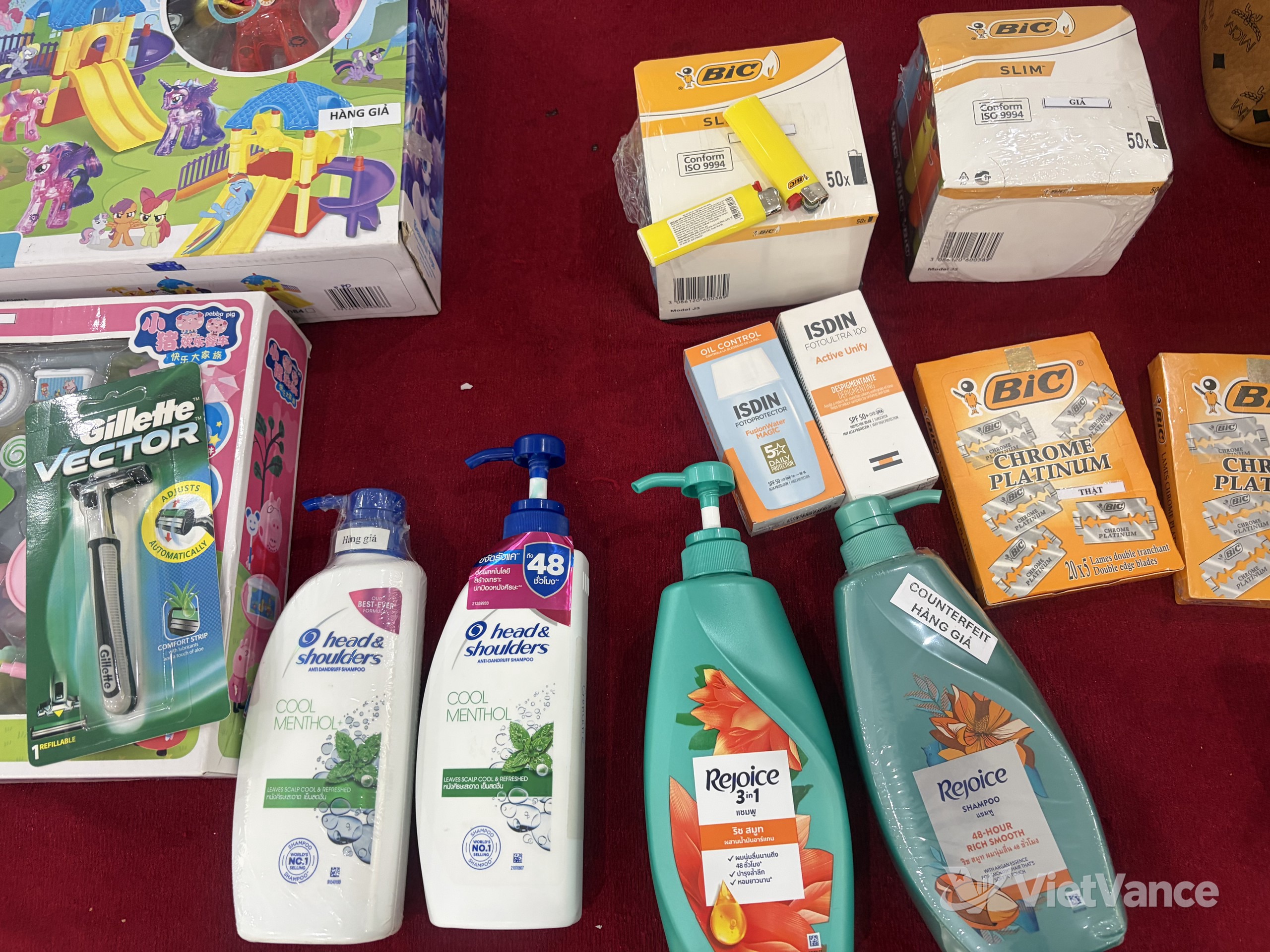
Counterfeit versions of everyday products can be difficult to identify by appearance alone.(VietVance)
According to Vietnam’s Ministry of Finance, customs authorities received and processed nearly 59.8 million declarations for low-value goods traded through e-commerce in the first half of 2026, averaging nearly 10 million a month. Nguyễn Thị Thu Hiền, an official with the customs anti-smuggling investigation department, said customs must both ensure swift clearance for legitimate trade and prevent counterfeit and substandard goods from entering the domestic market. Logistics, express delivery and transit services, along with e-commerce platforms, social media and livestream sales, make it harder to trace sellers, sources and the movement of goods.
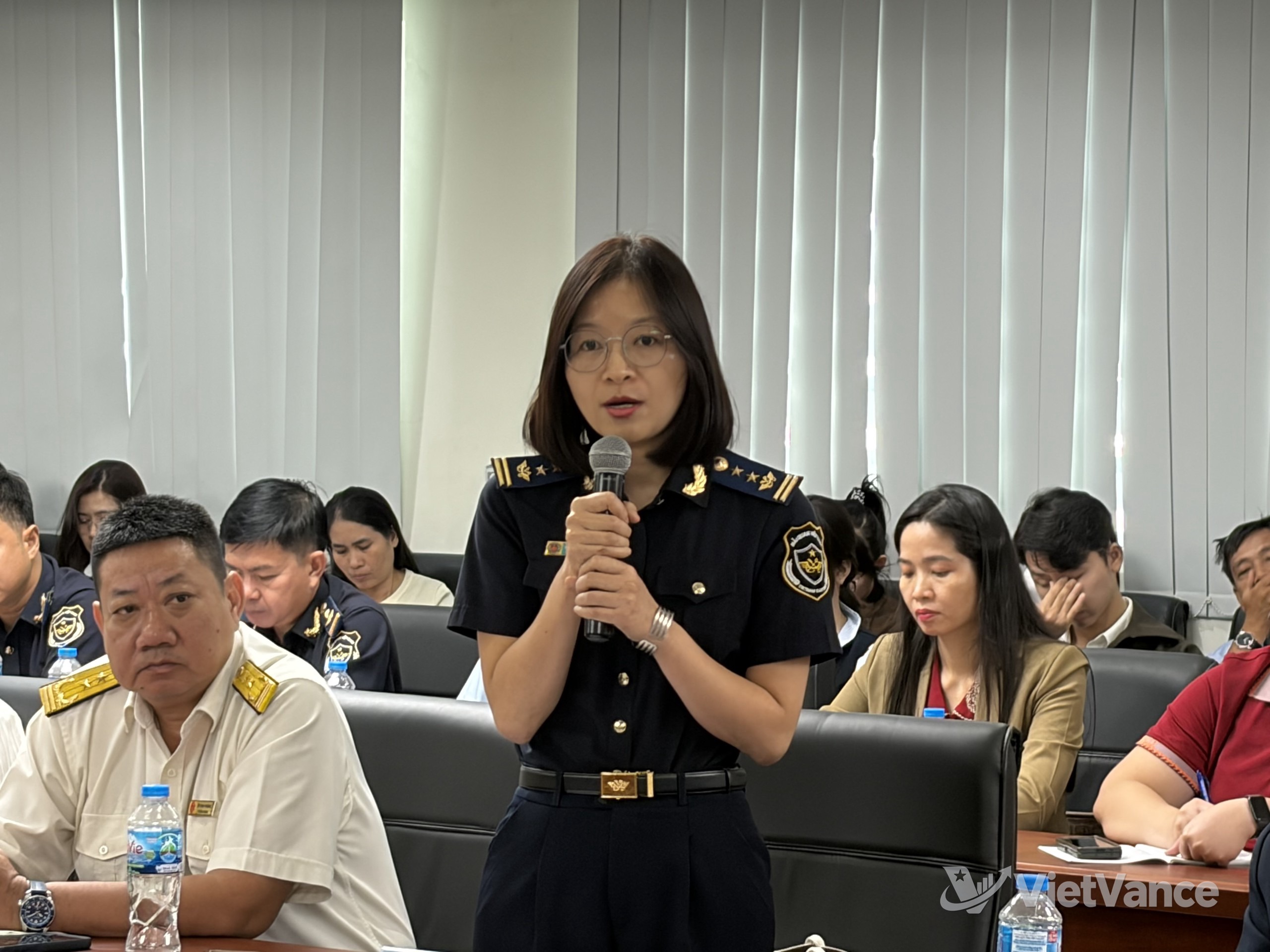
Nguyễn Thị Thu Hiền speaks at a forum on combating counterfeit goods in Ho Chi Minh City.(VietVance)
Nguyễn Thị Thu Hiền said customs would advance data- and risk-based smart oversight and strengthen cooperation across agencies and internationally. Customs aims to track suspected illicit goods from the point they are ordered for production abroad until they enter circulation in the destination country. She called on businesses, intellectual property rights holders and law enforcement agencies to share information and build accurate, transparent data resources to help identify counterfeit goods.
Source: VietVance