Vietnam Holds Domestic Economy Class Airfare Caps Steady
Vietnam’s Ministry of Construction has agreed with the Civil Aviation Authority’s recommendation to leave the fare cap for basic economy class on scheduled domestic flights unchanged for now. Average fares on selected routes rose in the second quarter of 2026 but remained at 43% to 69% of the regulated cap.

Vietnam’s Ministry of Construction agreed with the Civil Aviation Authority of Vietnam’s recommendation not to consider adjusting the fare cap for basic economy class on scheduled domestic flights at this stage. The ministry said any adjustment should be assessed in light of airlines’ input costs, operating conditions, actual fares and passengers’ ability to pay.
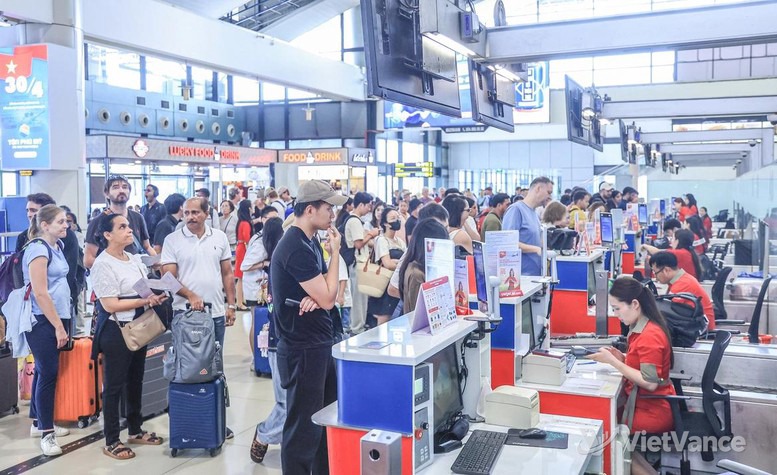
Vietnam’s Ministry of Construction agreed not to consider adjusting the fare cap for basic economy class on domestic flights for now.(VietVance)
In the first half of 2026, average fares on the Hanoi–Ho Chi Minh City, Hanoi–Da Nang and Ho Chi Minh City–Da Nang routes rose in the second quarter compared with the first, but remained at 43% to 69% of the regulated cap. According to airline reports, fare filings and fares published on airline websites, basic economy fares on domestic flights have not exceeded the regulated cap since January 1, 2025.
The fare mix also shifted: the share of midrange fares rose from about 22% to 32% in the first quarter to 41% to 47% in the second, while the share of higher fares increased from 23% to 33% to 30% to 36%. The share of lower fares fell from 38% to 48% to 22% to 28%. The Civil Aviation Authority said the current cap therefore still gives airlines room to set fares based on market conditions and actual operating costs.
The government continues to provide tax incentives for aviation fuel and has called for caution when considering price changes to state-priced goods and services in the final months of 2026, including an assessment of their effects on the consumer price index, overall prices and business operations. The Ministry of Construction has instructed the Civil Aviation Authority to keep tracking Jet A-1 fuel prices, exchange rates and airlines’ operating conditions, and to strengthen checks on fare filings, published fares and fares charged. The authority had previously told airlines to avoid raising fares quickly but lowering them slowly when fuel prices fall.
Source: VietVance