Vietnam’s Durian Purchase Prices Steady on November 11 as Gia Lai Holds Cultivation Training
Durian purchase prices in Vietnam’s main growing regions were unchanged on November 11 from November 9. Selected Thai durians in the southwest and southeast reached 95,000 VND/kg. Gia Lai’s agricultural extension center held training on sustainable cultivation and food safety.

According to the price list on giasaurieng.net, durian purchase prices in Vietnam’s southwest, southeast and Central Highlands were unchanged on November 11, 2026, from November 9. Selected Thai durians in the southwest and southeast fetched 94,000–95,000 VND/kg, the highest price range in the table; bulk-purchased Thai durians in both regions fetched 75,000–77,000 VND/kg.
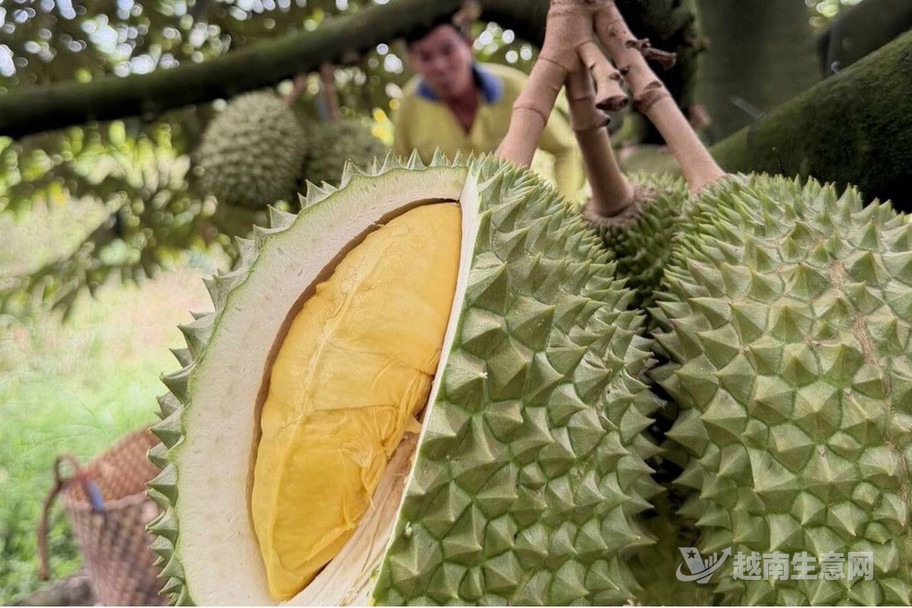
Durian purchase prices in Vietnam’s main growing regions remained stable on November 11.(VietVance)
Selected RI6 durians in the southwest were purchased for 63,000–65,000 VND/kg, while bulk-purchased fruit fetched 48,000–50,000 VND/kg. Selected RI6 durians in the southeast fetched 48,000–65,000 VND/kg. Prices were lower in the Central Highlands: selected Thai durians fetched 72,000–74,000 VND/kg, selected RI6 durians 52,000–54,000 VND/kg, and bulk-purchased RI6 durians 25,000–30,000 VND/kg.
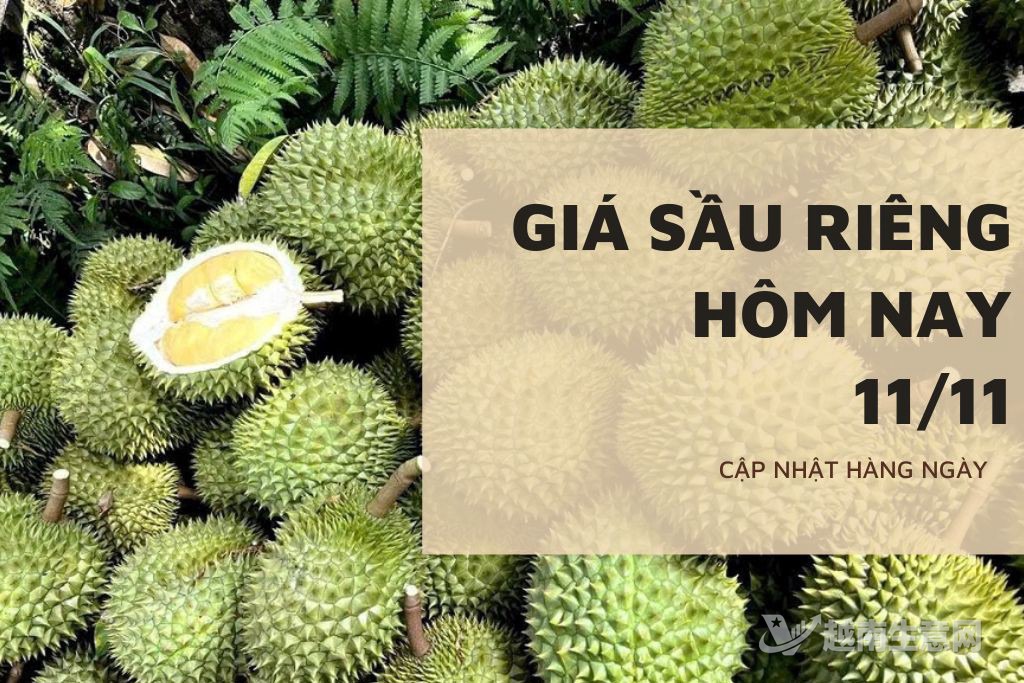
Comparison of durian purchase prices in Vietnam’s main growing regions on November 11 and November 9.(VietVance)
The Gia Lai Provincial Agricultural Extension Center held training for commune-level agricultural extension staff, extension collaborators and community extension groups in the western part of the province. The training covered sustainable durian cultivation and food safety, aiming to help participants understand suitable growing conditions, common varieties, and techniques for planting, care, and pest and disease control.
Lê Thị Thu Thảo, a staff member at the center, said cultivation practices should be coordinated in line with soil, climate and production methods. Before planting, growers should select land with deep soil and good drainage, check the quality of the soil and irrigation water, and use seedlings with a clear origin that meet nursery release standards. RI6 and DONA are currently the two main varieties, with DONA relatively common in the Central Highlands.
She also advised adjusting irrigation according to the growth stage, soil moisture and weather, particularly avoiding excess water during flowering because it can affect flowering and fruit set. Fertilization should reflect the plants’ needs, excessive use of chemical fertilizers should be avoided, and fertilizers containing chlorine should not be used. During flowering and fruiting, growers should manage new shoots and carry out supplemental pollination, flower thinning and fruit thinning according to the trees’ condition.
Source: VietVance