Vietnam to Exempt Small E-Commerce Imports from Duties Starting Next Year
Vietnam’s Decree No. 417 takes effect on March 1, 2027. E-commerce imports with a customs value of no more than VND 1 million per order will be exempt from import duties, subject to an annual limit of VND 48 million in exempt goods for each purchasing organization or individual. VAT and other taxes remain subject to current rules.

Vietnamese Deputy Prime Minister Nguyễn Văn Thắng signed Decree No. 417, which regulates customs management of goods imported and exported through e-commerce platforms. The decree takes effect on March 1, 2027. From that date, goods imported through e-commerce platforms with a customs value of no more than VND 1 million per order will be exempt from import duties. The total value of exempt goods is capped at VND 48 million a year for each purchasing organization or individual. VAT and other taxes remain subject to current rules.
Previously, Vietnam had no tax rules specifically for e-commerce imports. Goods valued at less than VND 1 million and sent by post or express delivery were exempt from import duties, but not VAT. E-commerce imports not sent by post or express delivery did not qualify for this exemption.
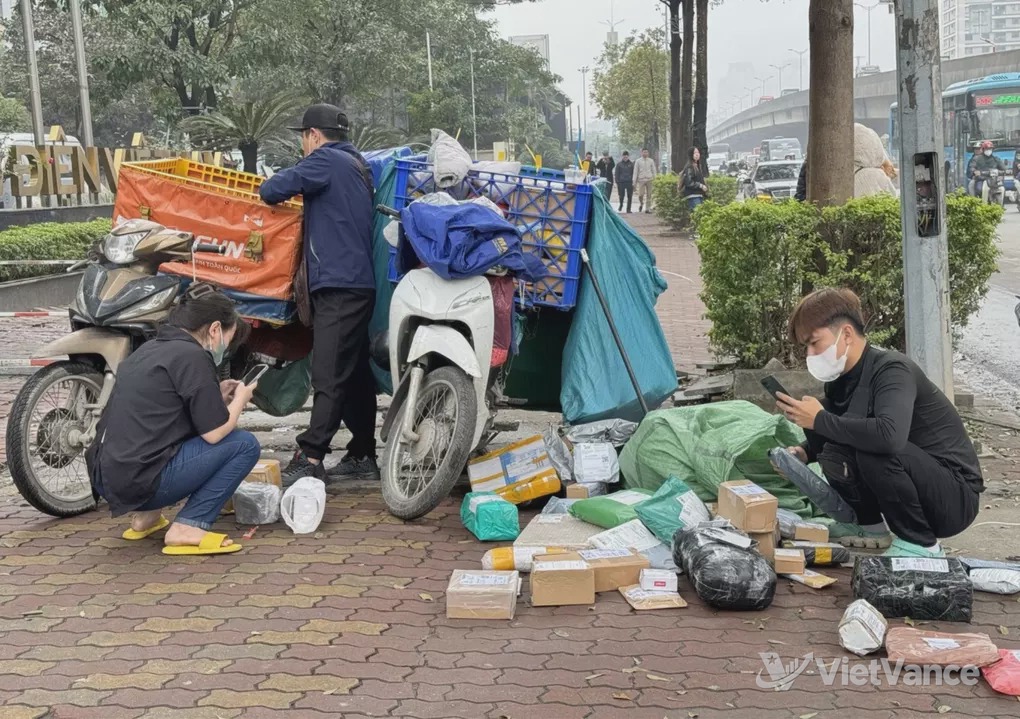
A delivery worker in Hanoi waits for a customer to collect an order in February 2024.(VietVance)
When the draft was circulated for comment in 2025, the Ministry of Industry and Trade and the Vietnam Chamber of Commerce and Industry proposed imposing import duties even on low-value orders. The ministry was concerned about an influx of cheap, poor-quality goods. The chamber argued that most online orders are low in value, so an exemption could put domestic products at a competitive disadvantage. The Ministry of Finance maintained that the exemption was similar to existing rules for low-value goods sent by express delivery. It said the annual limit would make it easier for individuals to make occasional purchases from abroad while helping curb large-scale imports of cheap goods.
The decree divides goods imported and exported through e-commerce platforms into two groups. Group 1 covers goods that do not require permits, meet specified conditions or undergo specialized inspections. They can be declared electronically as prescribed, after which the customs system checks order and shipping information against relevant databases and assigns them to processing channels. Goods subject to anti-dumping or countervailing duties or safeguard measures, along with other goods, fall into Group 2 and follow standard electronic customs procedures. Depending on the goods, declarants must submit documents such as permits, specialized inspection results or certificates of origin.
Source: VietVance