Vietnam–EFTA Trade Agreement Awaits Entry into Force as Firms Face Standards Hurdles
Vietnam and the four EFTA countries have signed a free trade agreement, but it has yet to take effect. To benefit from the promised tariff cuts, Vietnamese firms must meet rules of origin, technical and environmental requirements, and check each country’s import regulations.

Vietnam and the four members of the European Free Trade Association (EFTA)—Switzerland, Norway, Iceland and Liechtenstein—signed a free trade agreement (VEFTA) on October 18, 2026. The agreement awaits completion of each party’s internal approval procedures and is expected to take effect 60 days after those procedures are completed. The Vietnam Chamber of Commerce and Industry held a seminar on November 11 to discuss how businesses can use the market opportunities created by the agreement.
Customs data show that trade between Vietnam and the four EFTA countries totaled about US$1.92 billion in 2025, up 29% year on year. Vietnam imported about US$1.52 billion and exported about US$405 million. Its exports included textiles, footwear, seafood, and electrical and mechanical equipment.
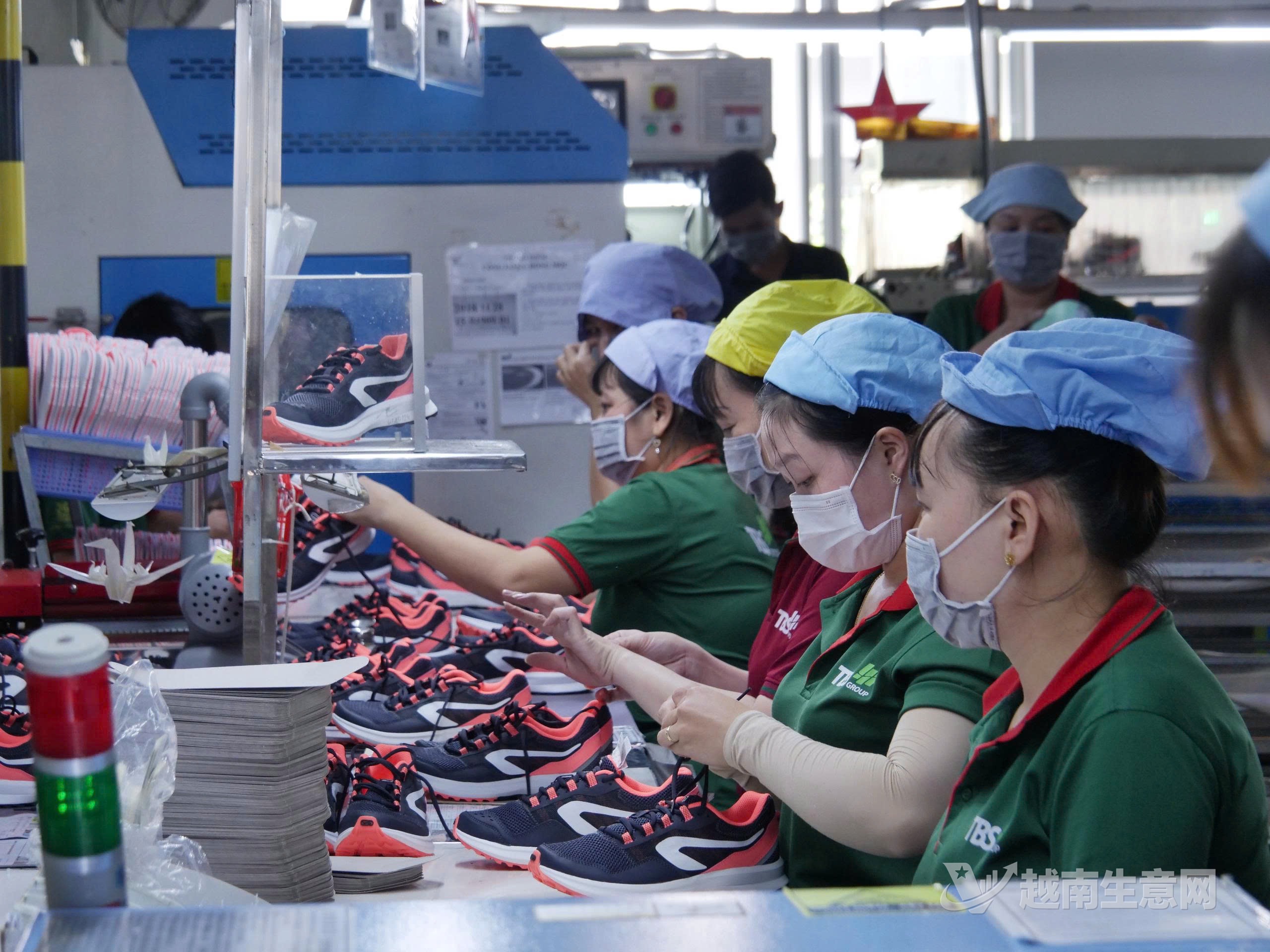
Footwear is a potential Vietnamese export to the European Free Trade Association market.(VietVance)
Finance Ministry official Nguyễn Phương Linh said the four EFTA countries have committed to eliminating tariffs on more than 90% of tariff lines when the agreement takes effect, covering 99.5% of their imports from Vietnam. Industrial goods and seafood will immediately qualify for zero tariffs. Vietnam has committed to eliminating tariffs on 86.7% of tariff lines for EFTA goods over a period of up to 15 years. These preferences are contingent on the agreement taking effect.
Lower tariffs do not mean goods can enter the market automatically. Industry and Trade Ministry official Nguyễn Sơn Trà said businesses must still meet technical, food safety and sustainability requirements. The four EFTA countries do not share a single import tariff schedule or set of import regulations, so businesses need to check product codes and rules for each destination country. They must also manage documentation carefully for goods transiting through Belgium or Germany to avoid losing eligibility for preferential treatment under the rules of origin.

Business representatives show interest in the preferences offered by the Vietnam–EFTA agreement.(VietVance)
Đậu Anh Tuấn, deputy secretary-general of the Vietnam Chamber of Commerce and Industry, urged businesses to research the market and review their supply chains and rules of origin before the agreement takes effect. He also warned them against factoring tariff preferences that are not yet in force into prices under existing contracts. The Finance Ministry is preparing a draft decree on a special preferential import and export tariff schedule so it can be implemented when the agreement takes effect.
Source: VietVance