Vietnam Electricity Says It Can Ensure Power Supply Throughout 2026
Vietnam’s electricity demand hit a record high in 2026, but Vietnam Electricity says it can ensure supply for the full year. Supply pressures are expected to rise in 2027 and 2028 as demand grows and some new power sources remain unavailable. The group plans to expand generation and battery storage and seek funding for its projects.

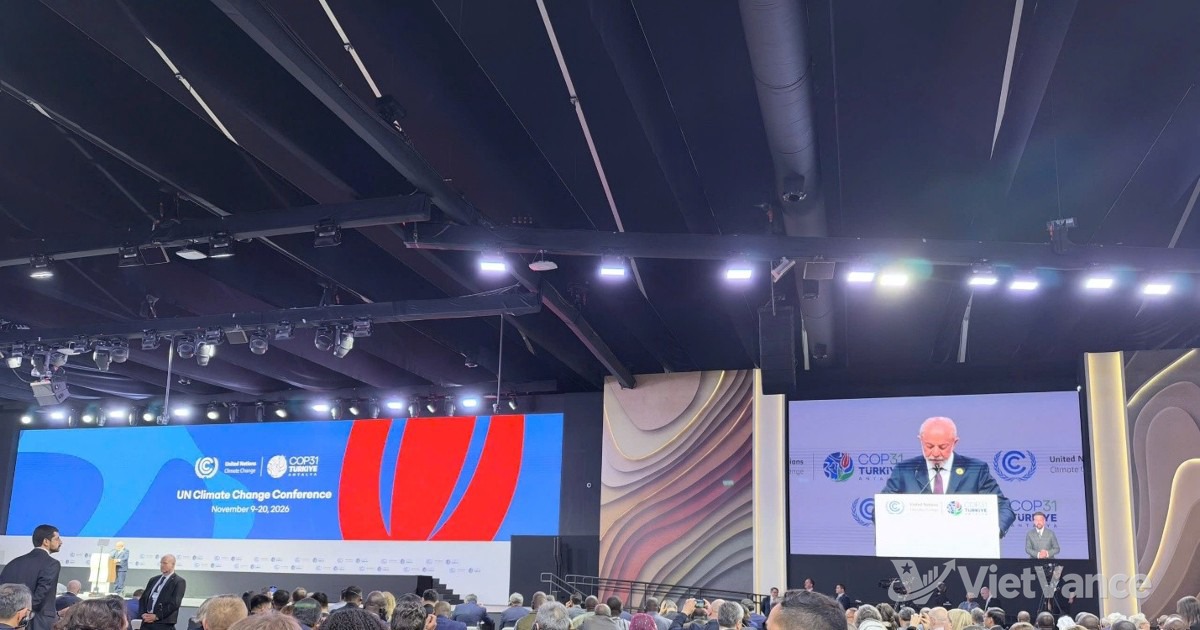
Deputy Minister of Industry and Trade Nguyễn Việt Sơn said at the National Energy Security Forum on November 10 that 2026 has been a year of unprecedented difficulty for Vietnam’s national power system. Prolonged heat has driven up electricity demand, while conflict in the Middle East has disrupted fuel supplies and increased import costs. A report released at the forum showed that nationwide peak electricity demand reached 57,537 MW on June 24. Electricity generation and imports combined rose 9.4% year on year in the first nine months and are expected to reach 356.2 billion kWh for the full year, an increase of more than 10%.
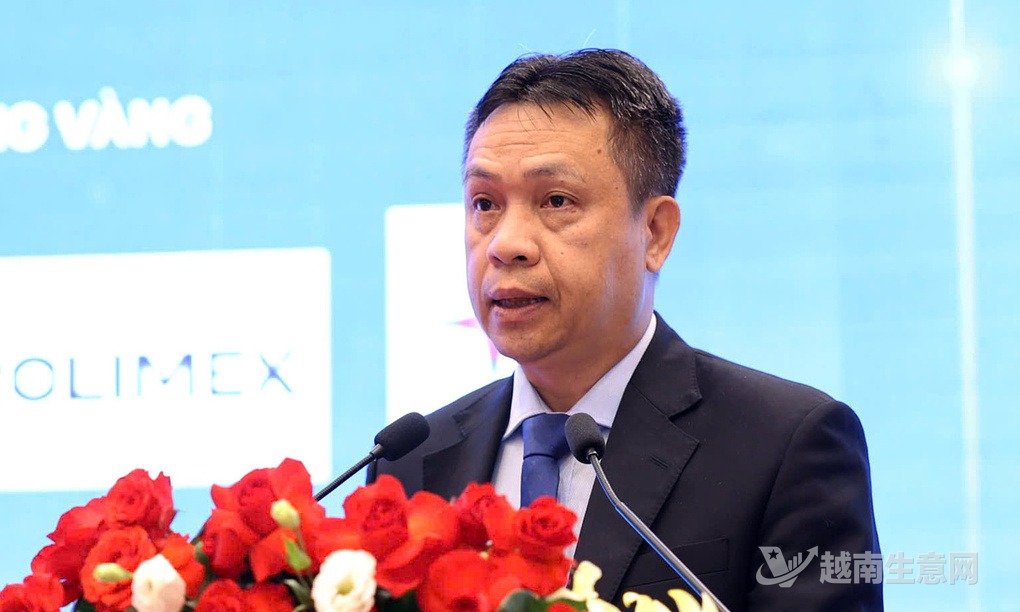
Deputy Minister of Industry and Trade Nguyễn Việt Sơn speaks at the National Energy Security Forum on November 10.(VietVance)
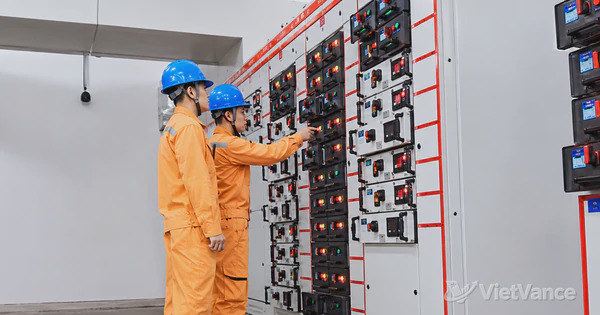
Nguyễn Tài Anh, deputy general director of Vietnam Electricity (EVN), said electricity demand in the north rose 14.7% year on year in May and 17.5% in June. During peak hours, the region’s load approached the safe operating limit for maintaining voltage stability. The group responded by stockpiling fuel, optimizing power plant output, increasing electricity imports and installing additional battery energy storage systems. He said the national power system could ensure supply throughout 2026.
Pressure on power supply is expected to continue rising in 2027 and 2028. Nguyễn Việt Sơn expects electricity demand to grow by about 10% from its 2026 level, while new sources of baseload power will not be ready in time. The National Power System and Electricity Market Operation Company forecasts that peak demand in the north in 2027 will exceed the 2026 peak of 30,248 MW. The main transmission corridor from central to northern Vietnam is already operating close to its limit of 5,000 to 5,200 MW. If the commissioning of 500 kV substations in Bắc Ninh, Thái Bình and Hải Phòng is delayed, supplying electricity during summer evening peaks will become more difficult.
Hydropower accounts for about 25% of electricity generation in Vietnam’s power system, but its output depends on water flowing into reservoirs. The National Power System and Electricity Market Operation Company estimates that, by the end of 2026, 30 of 48 reservoirs may fail to fill to their normal water levels. To conserve water for the following dry season, the Ministry of Industry and Trade and the Ministry of Agriculture and Environment have agreed to continue retaining water through the end of the first quarter of 2027 while calculating the amount that must be released for production and household use downstream.
Vietnam Electricity plans to complete 15 power generation projects with a combined capacity of 6,066 MW by 2030. Another 22 projects, with a combined capacity of 9,710 MW, are undergoing investment procedures. The group expects to invest in about 930 MW of additional battery energy storage capacity in 2027 and plans to spend about 830 trillion dong on major power generation projects over the coming years. To raise funds, it has proposed adjusting credit limits on loans for key power projects, expanding access to green credit, bonds and international financing, and strengthening oversight of projects undertaken by other investors.
Source: VietVance