Vietnam Seeks Greater Energy Self-Reliance as Electricity Demand Rises
Vietnam’s Ministry of Industry and Trade held a national energy security forum in Hanoi on November 10, 2026. Vietnam plans to strengthen electricity and fuel supplies to support its goal of average annual GDP growth of at least 10% from 2026 to 2030. The report projects that electricity demand will rise by about 10% in 2027.

Vietnam’s Ministry of Industry and Trade held a national energy security forum in Hanoi on November 10, 2026, and released a national energy security report. Vietnam has set a goal of average annual gross domestic product growth of at least 10% from 2026 to 2030, with energy security identified as an important condition for achieving it. The report emphasizes improving the stability and self-reliance of electricity and petroleum product supplies.
The report estimates that Vietnam’s electricity generation and imports will total 356.2 billion kWh in 2026, up 10.3% year on year. On June 24, peak demand across the national power system reached 57,537 MW. The report projects that electricity demand will rise by about 10% in 2027 from an already high 2026 base, while new baseload power sources will not yet have entered operation.
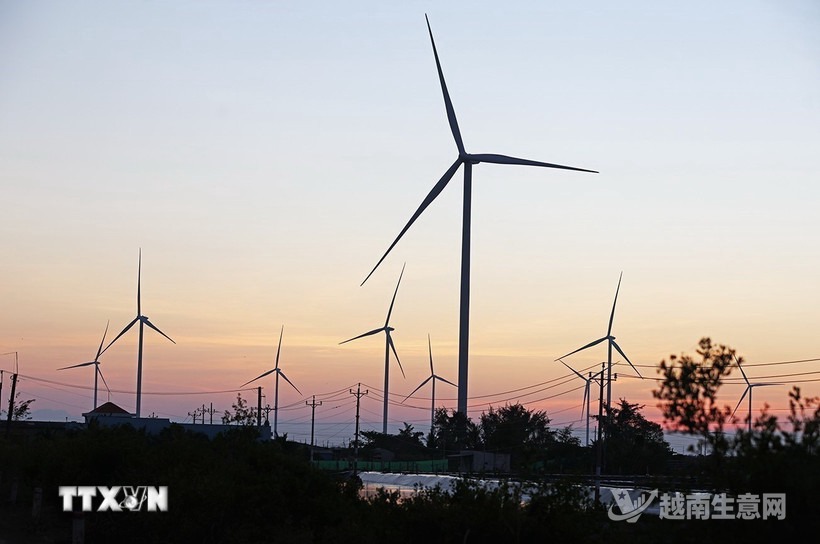
A wind farm in Cà Mau province.(VietVance)
To secure electricity supplies in 2027 and beyond, the Ministry of Industry and Trade called for clear schedules for power generation and grid projects that must enter operation that year, alongside the development of rooftop solar power for on-site generation and consumption with accompanying energy storage, especially in northern Vietnam. Vietnam Electricity said its power companies in the north and Hanoi had brought 140 MW of battery energy storage facilities into operation by the end of September 2026 and were working to complete their assigned 805 MW by the end of 2026.
Energy supply planning also covers fuel reserves. A relevant resolution sets targets for 2030 of about 150 million to 170 million tonnes of oil equivalent in total primary energy supply and about 560 billion to 624 billion kWh in total electricity output. Domestic refineries are to meet at least 70% of demand for petroleum products, while petroleum product reserves are to reach the equivalent of about 90 days of net imports. The Ministry of Industry and Trade proposed diversifying import sources and transport routes for crude oil, liquefied natural gas and coal, and drawing up a roadmap to raise petroleum product reserves from about 60 days to 90 days of net imports.
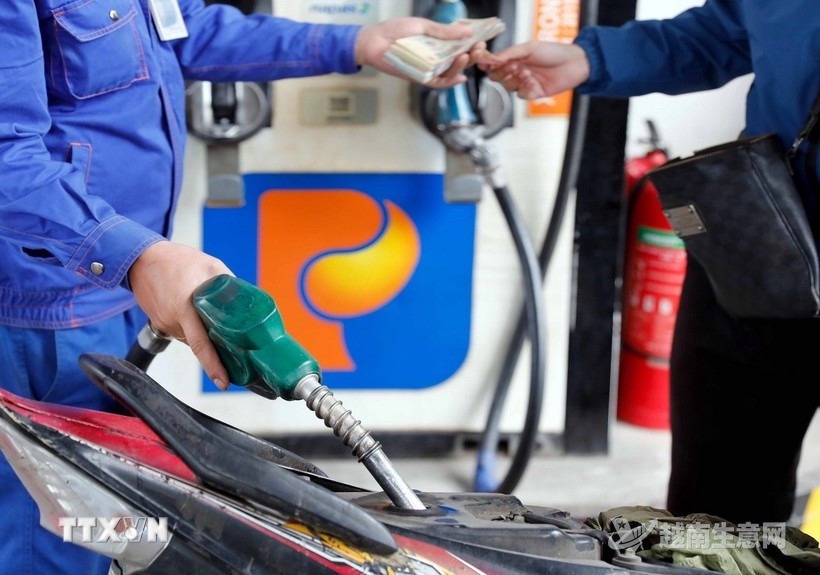
A gasoline transaction at a filling station in Hanoi.(VietVance)
At the forum, economist Cấn Văn Lực estimated that Vietnam would need about US$77 billion in energy investment from 2026 to 2030. The forum discussed direct power purchase mechanisms, electricity prices, transmission and energy storage facilities, and ways to attract international and private capital. The Ministry of Industry and Trade said it would compile policy recommendations and plans to publicly assess their implementation in 2026 at the 2027 forum.
Source: VietVance