Vietnam calls for early warnings on trade risks for goods with large export surpluses
Vietnam has introduced a 2026–2030 plan to manage export surpluses and international trade risks. The Ministry of Industry and Trade will monitor goods with large surpluses or concentrated export markets and issue early warnings of trade investigations and tariffs. The Ministry of Finance will assess exporters and foreign direct investment, while local authorities will review projects that could create overcapacity.

Vietnam has introduced a plan to manage export surpluses and international trade risks from 2026 to 2030, calling for an early warning mechanism for goods with large surpluses or dependence on a few markets. Standing Deputy Prime Minister Phạm Gia Túc signed Resolution No. 403 on November 21, 2026. It directs the Ministry of Industry and Trade to regularly assess the scale, structure and concentration of export surpluses by industry, product, market and type of business, providing a basis for adjustments to production, market and supply chain policies.
The plan aims to expand exports while increasing imports needed for production. It encourages imports of necessary machinery, equipment, technology and raw materials, while diversifying supply sources and raising localization rates and domestic value added. The Ministry of Industry and Trade will also review the sources, composition and value of imported inputs in major export industries and examine ways to expand domestic supplies of key inputs.
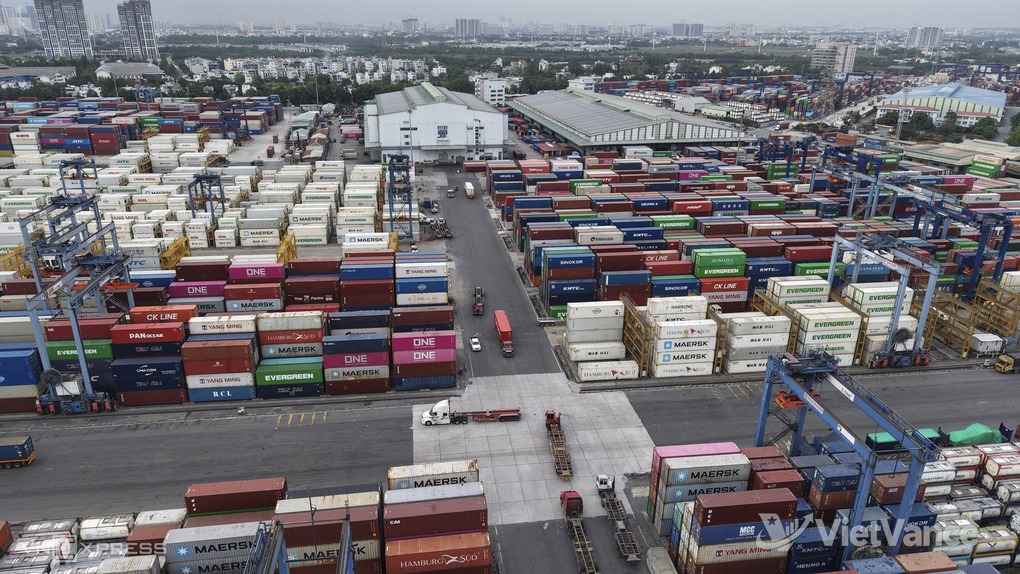
Container cargo at Cát Lái Port.(VietVance)
The Ministry of Finance will use customs and investment data to identify companies accounting for large shares of exports in each product category, assess the contribution of foreign-invested enterprises, and study ways to guide foreign investment projects from the investment registration stage so their target markets align with export diversification. Local authorities must review licensed, under-construction and planned projects, including foreign-invested projects that could create overcapacity. Related tax, land and credit incentives will also be assessed.
To address risks of origin fraud and illegal transshipment, the Ministry of Industry and Trade will study revisions to rules on the origin of goods, certificates of origin, self-certification and post-issuance checks. It will also warn and assist companies that may face trade remedy investigations. The government has called for clearer rules to enforce the import ban on goods made with forced labor. Where there are appropriate grounds, authorities may suspend customs clearance and require companies to demonstrate the sources of their raw materials, their suppliers and their production conditions.
In the first 10 months of this year, Vietnam’s total imports and exports reached about $1.001 trillion, exceeding the full-year figure for 2025. Imports grew faster than exports, resulting in a trade deficit of about $14.02 billion. Customs authorities expect exports to grow by more than 25% for the full year, above the government’s target of 15% to 16%.
Source: VietVance