Vietnam’s Draft Food Safety Law Raises Business Concerns Over Compliance Costs
Vietnam’s 16th National Assembly is reviewing a draft revision of the Food Safety Law. Business representatives worry that five-year product registration terms, stability study requirements and lengthy approval periods will raise costs and disrupt supply chains. Lawmakers and a reviewing committee have proposed narrowing registration requirements and simplifying renewals.

Vietnam’s 16th National Assembly is reviewing a draft revision of the Food Safety Law, and businesses are concerned about additional procedures and compliance costs. At an October 20 meeting to review the draft, Nguyễn Phương Tuấn, deputy chair of the National Assembly’s Committee on Science, Technology and Environment, said businesses’ concerns had yet to be adequately addressed, differences remained among the parties, and the feasibility of implementing the draft required careful assessment.
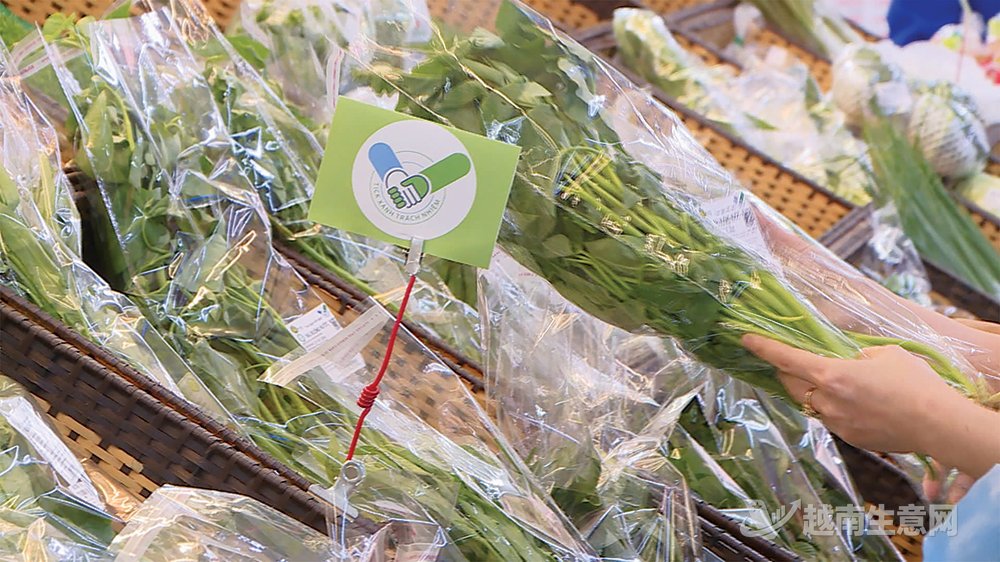
Businesses are concerned that the draft revision of the Food Safety Law will increase compliance costs.(VietVance)
Trần Ngọc Ánh, a representative of a member company of the Food Safety Science and Technology Association (Vinafosa), said the draft would make product registrations valid for five years. Even if a product remains unchanged, businesses would still need to track expiry dates and complete renewal procedures. If renewal also requires fresh testing, at a cost of VND 20 million per dossier, testing all 53,910 dossiers registered from 2018 to 2022 upon renewal could cost VND 1.0782 trillion every five years. This is a cost scenario that needs clarification; the draft does not yet explicitly require a new test report.
Related forms under the draft also require a stability study report. The business representative gave an example: if a product with a 24-month shelf life had to be tested across three batches at seven points in time per batch, at VND 20 million per test, testing would cost VND 420 million per product. The study design and unit cost serve only to illustrate potential costs. Under the accompanying draft decree, the initial review can take up to 90 days. If two rounds of supplementary submissions are needed, the entire review process could extend to 330 days, affecting production and sales plans.
Phạm Khánh Phong Lan, a National Assembly delegate from Ho Chi Minh City, said more than 300,000 products in the city had been self-declared since the relevant decree took effect in 2018. The draft sets transitional deadlines of 24 months after it takes effect to request renewal and 36 months to complete product dossiers. Concerned that requiring products to go through the procedures again en masse would burden businesses and regulators, she proposed requiring new procedures only when a product’s ingredients or other information requiring a new declaration change.

Phạm Khánh Phong Lan, a National Assembly delegate from Ho Chi Minh City, discusses the requirement to declare products again.(VietVance)
In its review, the National Assembly’s Committee on Science, Technology and Environment proposed considering the removal of the five-year validity period for product registration certificates. If the period is retained, it proposed allowing renewal by online notification, without requiring technical documents or charging a fee. The committee also proposed narrowing the range of foods that must be registered under the product declaration system and periodically adjusting the relevant lists based on risk assessments.
Source: VietVance