Vietnam Implements New Joint Reservoir Operating Rules in Four River Basins
On November 10, Vietnam’s Ministry of Agriculture and Environment began implementing new joint reservoir operating rules for four river basins. The rules revise flood control and dry-season water supply arrangements, add seven facilities in the Trà Khúc basin, and clarify measures for flood regulation, year-end water storage and water shortages.

On November 10, 2026, Vietnam’s Ministry of Agriculture and Environment sent notices to relevant agencies, local authorities and reservoir operators to implement joint reservoir operating rules for four river basins issued under decisions by the prime minister. The new rules cover the Trà Khúc, Kôn–Hà Thanh, Ba and Vu Gia–Thu Bồn basins, with changes focused on flood control during the rainy season, water supply during the dry season and operations under abnormal conditions.
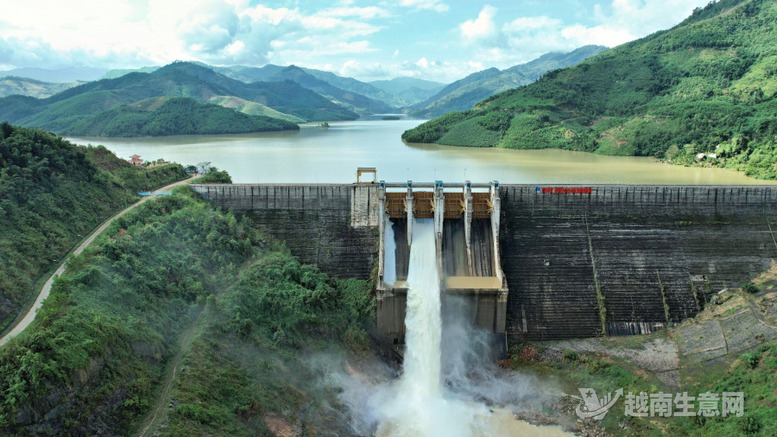
File photo of the Đakđrinh hydropower plant.(VietVance)
Vietnam’s Department of Water Resources Management said the rules for the Trà Khúc basin add seven reservoirs and river barriers. The basin’s flood season runs from September 1 to December 31 and is divided into four phases; its dry season runs from January 1 to August 31. The rules also adjust pre-flood water level requirements for the Nước Trong and Đakđrinh reservoirs to increase flood storage capacity.
When no rain or flood forecast is available, the rules use inflow as the basis for starting flood control operations: 300 cubic meters per second for the Đakđrinh reservoir and 400 cubic meters per second for the Nước Trong reservoir. When inflows exceed 600 and 800 cubic meters per second, respectively, the reservoirs must release water at rates below their inflows to reduce downstream flood peaks.
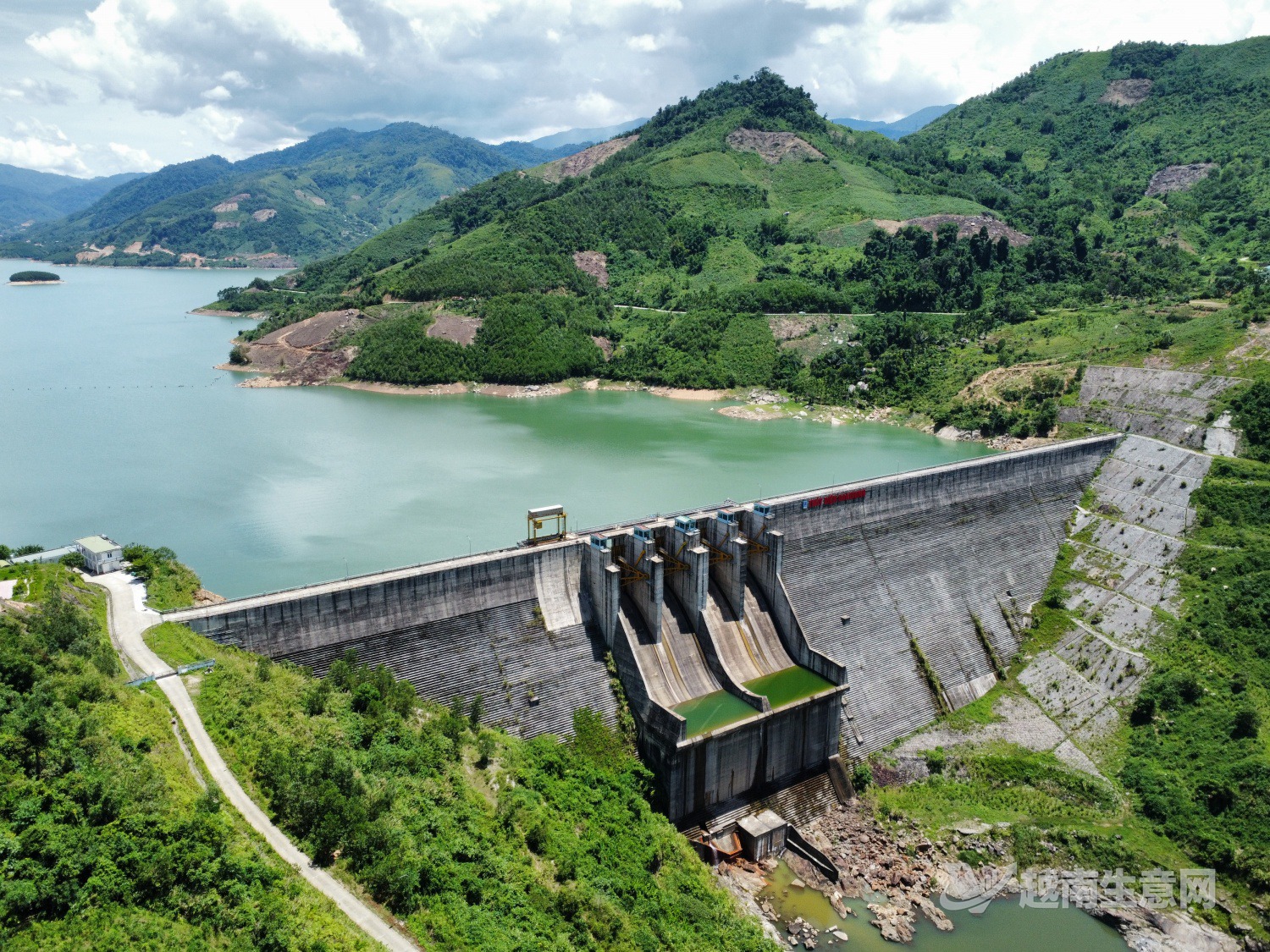
Dry-season operations and water release arrangements for the Đakđrinh and Nước Trong reservoirs will be more flexible.(VietVance)
Under normal conditions, year-end water storage begins on December 5. If warnings indicate possible drought or water shortages and a reservoir may be unable to store enough water for the following dry season, storage may be considered from November 15. When there are warnings of El Niño conditions and a risk of water shortages in the basin, storage may begin even earlier, as decided by the chair of the Quảng Ngãi Provincial People’s Committee based on warning information and recommendations from reservoir operators. Dry-season rules also ease the fixed release-time requirement for the Đakđrinh reservoir to coordinate power generation and downstream water supply.
The rules for the other three basins also revise flood control, water storage and emergency response arrangements. In the event of drought or severe water shortages, Vietnam’s Ministry of Agriculture and Environment will work with relevant agencies to consider and decide how reservoirs should operate. Water release facilities at reservoirs and dams must continue to follow their published operating procedures.
Source: VietVance