Vietnam Advances Free Trade Agreements as Export Standards Tighten
Vietnamese exports to the EU face stricter requirements on emissions, traceability and supply chains. The Ministry of Industry and Trade is using local FTA implementation assessments and business support measures to help companies adapt. The Vietnam–EFTA free trade agreement signed in October 2026 also brings new market opportunities.

More than six years after the Vietnam–EU Free Trade Agreement took effect, tariff preferences have helped Vietnamese goods enter the EU, but businesses still face increasingly stringent requirements on emissions, traceability and supply chain responsibility. In the first nine months of 2026, the EU accounted for about 17% of Vietnam’s steel exports, second only to ASEAN. Steel companies must also prepare for changes to EU import quotas, the Carbon Border Adjustment Mechanism, trade remedies and rules of origin.
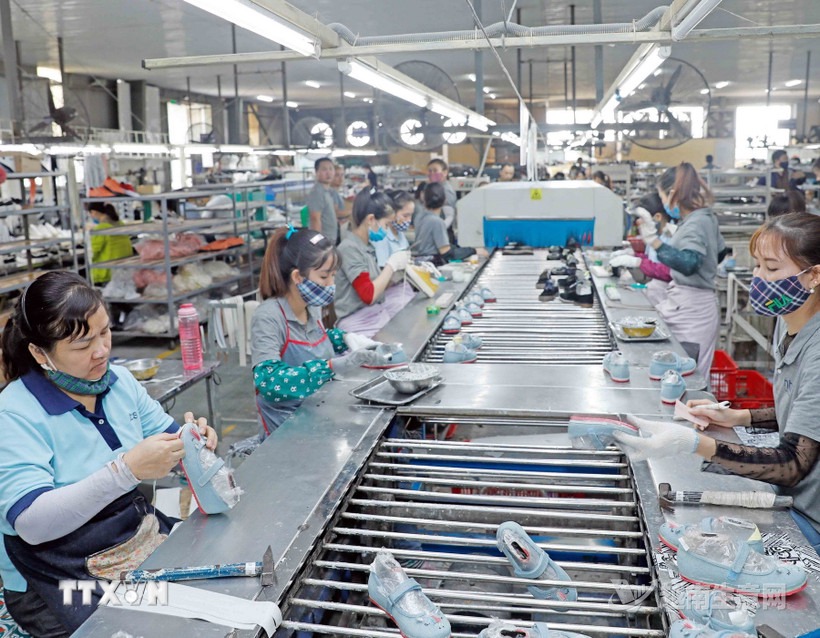
Illustrative image of Vietnamese businesses participating in international trade.(VietVance)
Trang Thu Hà, chief of office of the Vietnam Steel Association, said businesses should receive support with emissions accounting, alignment of Vietnamese and EU carbon calculation methods, and recognition of domestic verification bodies to reduce compliance costs and maintain market access. Ngô Chung Khanh, deputy director of the Ministry of Industry and Trade’s Department of Foreign Market Development and Multilateral Trade, said businesses should anticipate EU policy changes, improve transparency across all tiers of suppliers, and prepare response plans to avoid dependence on a single market.
The UK market also requires Vietnamese goods to meet standards for quality, safety, origin and responsible production. Traceability, food safety and quality control are especially important for agricultural products and food. The Ministry of Industry and Trade has established an index to assess local implementation of free trade agreements, focusing on how well local authorities support businesses. It is also developing an ecosystem for making use of FTAs that connects government agencies, localities, businesses and support organizations. Decree No. 240/2026/NĐ-CP, dated June 26, 2026, provides a legal basis for the ecosystem.
On October 18, 2026, in Hanoi, Minister of Industry and Trade Lê Mạnh Hùng and representatives of the four member states of the European Free Trade Association signed the Vietnam–EFTA Free Trade Agreement in the presence of Tô Lâm. The article says the new agreement creates opportunities for cooperation in technology, finance and high value added industries. Whether businesses can turn market opportunities into lasting partnerships will still depend on product upgrades and supply chain capabilities.
Source: VietVance