Vietnamese Firms Must Follow Rules of Origin to Claim FTA Benefits
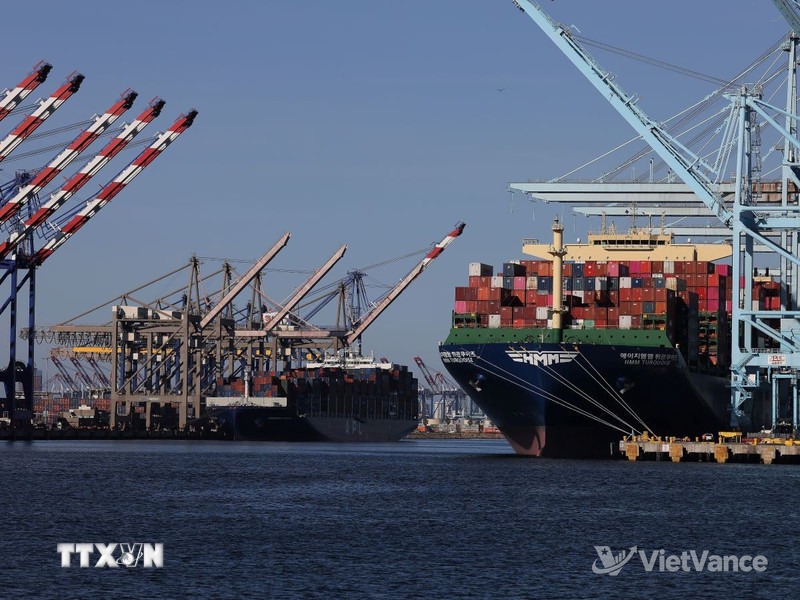
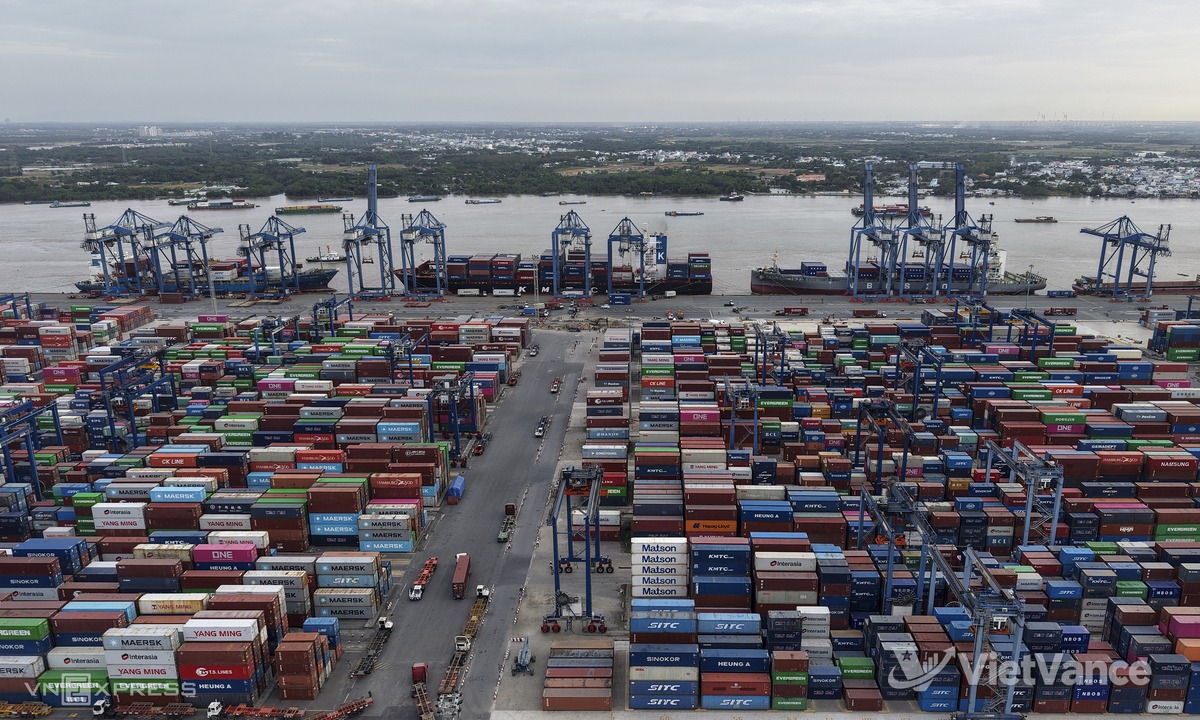
According to the Vietnam Chamber of Commerce and Industry, exports granted preferential certificates of origin under free trade agreements reached about US$95 billion in 2025, roughly one-fifth of Vietnam’s total exports. As customs and origin rules change, firms must verify their materials, production processes and documents, and distinguish domestic origin labeling rules from those governing export preferences.

According to the Vietnam Chamber of Commerce and Industry, Vietnamese exports granted preferential certificates of origin under free trade agreements totaled about US$95 billion in 2025, compared with national exports of US$475 billion. Obtaining a certificate is only one condition for claiming tariff preferences. Firms must also substantiate the sources of their materials, their production processes and the consistency of supporting documents, and determine the origin of their goods under the rules applicable in each export market.

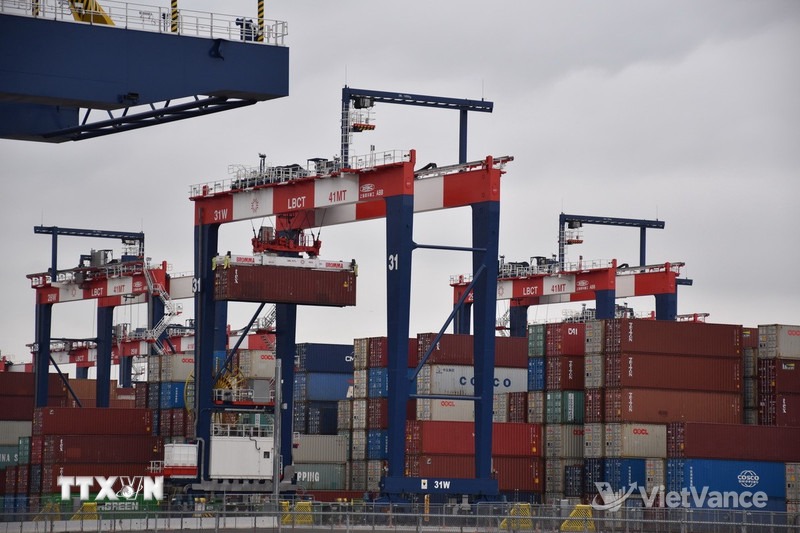
Claiming benefits under free trade agreements requires firms to prove the origin of their goods.(VietVance)
At an import-export policy seminar held on November 25, Dương Thị Khuyên of the Legal Affairs Department of the Ministry of Finance’s Customs Department said the amended Customs Law promotes electronic customs documentation. Firms need not resubmit specialized documents already issued through the National Single Window system. The maximum storage period for goods in bonded warehouses and duty-free business premises has been extended to 24 months, while the period at container freight stations has increased from 90 to 180 days.
Despite simpler procedures, firms still need to pay attention to declaration and recordkeeping requirements. Dương Thị Khuyên said customs declarants must complete supplementary declarations within 60 days of customs clearance and before a relevant inspection decision is issued. Firms should also review declarations they have filed and prepare complete records for post-clearance audits.
Lê Khánh Hưng, Global Trade Director at Ernst & Young Consulting Vietnam, said an origin determination used domestically may not be accepted by the importing country, so firms must check the rules of each target market. He also said producers and importers must label the origin of goods truthfully and retain records supporting those labels.
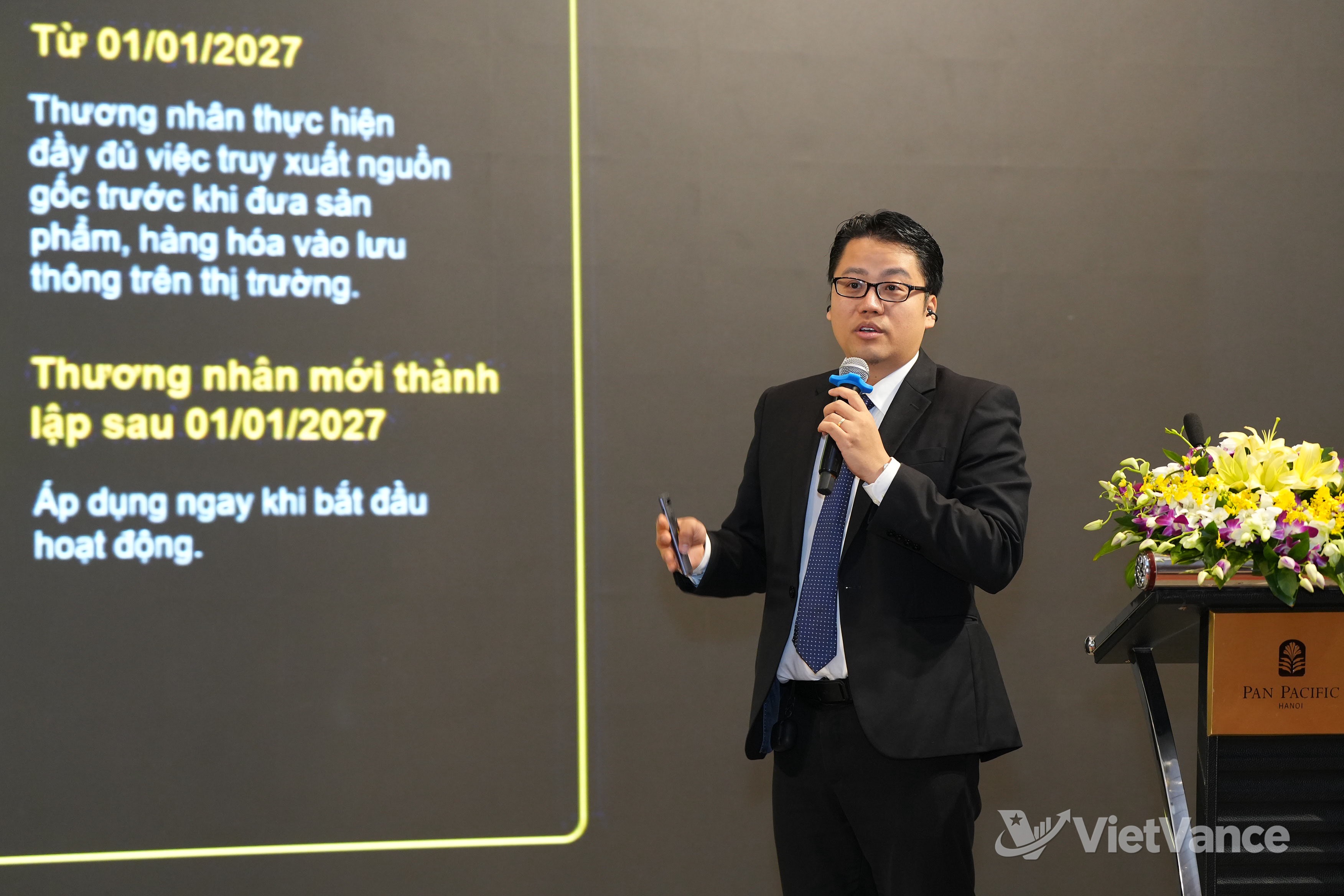
Lê Khánh Hưng, Global Trade Director at Ernst & Young Consulting Vietnam.(VietVance)
Vietnam’s Decree No. 384/2026/NĐ-CP will take effect on January 1, 2027, setting out how Vietnamese origin is determined for goods produced and circulated domestically. Goods that are not wholly obtained may qualify through a change in their four-digit tariff classification or a Vietnamese value content of at least 30%. Simple processing such as packaging or labeling is insufficient to confer Vietnamese origin. Lê Khánh Hưng emphasized that meeting this domestic origin rule does not automatically qualify goods under the preferential rules of origin of free trade agreements.
Source: VietVance