Vietnam’s Investment Needs Estimated at $1.5 Trillion Over the Next Five Years
Vietnam needs about $1.5 trillion in investment from 2026 to 2030, with 80% of planned infrastructure funding to come from outside the state budget. SSIAM Deputy CEO Nguyễn Nghĩa Tuấn says banks cannot meet the long-term financing need alone, and a stock market upgrade will not automatically attract green capital.

Vietnam’s total investment needs for 2026 to 2030 are estimated at 38,500 trillion Vietnamese dong, or about $1.5 trillion. Nguyễn Nghĩa Tuấn, Deputy CEO of SSI Fund Management Company Limited (SSIAM), said at an impact investing forum that transport, energy and digital infrastructure projects require substantial, long-term and stable funding. The 2025–2030 infrastructure investment plan aims to raise 80% of its funding from outside the state budget.
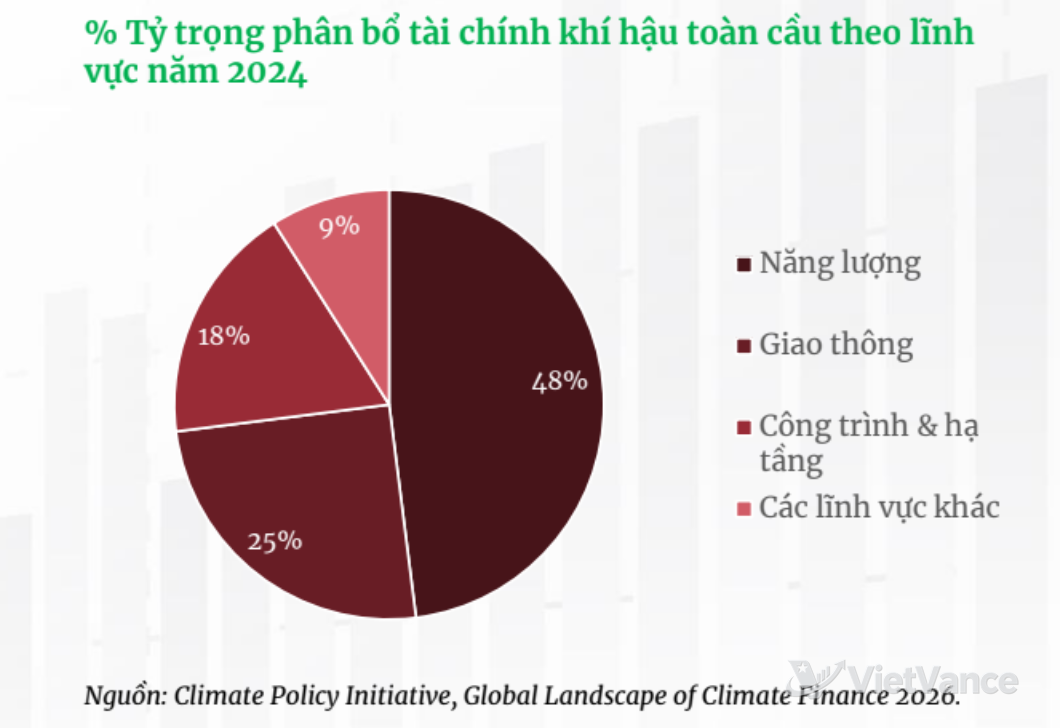
Vietnam’s infrastructure and green transition sectors face long-term financing needs.(VietVance)
This demand is linked to Vietnam’s goal of achieving double-digit annual GDP growth from 2026 to 2030. Nguyễn Nghĩa Tuấn noted that nearly three-quarters of global climate finance flows into energy, transport and infrastructure, broadly matching Vietnam’s priority funding needs, but that this alignment will not automatically connect capital supply with demand.
By early 2026, Vietnam’s outstanding green credit had reached 828 trillion Vietnamese dong, with 82 credit institutions participating. Lending was concentrated in renewable energy and green agriculture, which accounted for 45% and 31%, respectively. He said the scale and duration of funding required for transition projects exceed what the banking system can provide on its own.
Vietnam’s stock market is expected to attract about $2.5 billion in passive capital in the first year after an upgrade, but that would be indirect investment. Nguyễn Nghĩa Tuấn said institutional investors also assess liquidity, exit options, institutional quality, transparency, and environmental, social and governance standards; an upgrade will not automatically bring green capital.
He called for funds incorporating environmental, social and governance standards and financing products for corporate transitions alongside green bonds. He also advocated extending financing to manufacturing, energy, transport and logistics companies that need to upgrade technology and reduce emissions. Their transition plans should have measurable targets, disclosure and accountability mechanisms to reduce the risk of “greenwashing.”
Source: VietVance