Vietnam’s Draft Housing Law Amendments to Clarify Social Housing Eligibility and Pricing
Vietnam’s Ministry of Construction is leading revisions to the draft Housing Law that would change social housing policy in four areas: eligibility, housing support, developer incentives and transaction management. The ministry says 293 social housing projects comprising 363,065 units are under construction nationwide, with 87,601 units expected to be completed by the end of 2026.

Vietnam’s Ministry of Construction is leading revisions to the draft Housing Law, aiming to enable low-income people, workers and other groups to buy or rent housing long term at affordable prices. The draft would set out more detailed rules in four areas: eligible beneficiaries and application requirements, housing support, developer incentives, and pricing and transaction management.
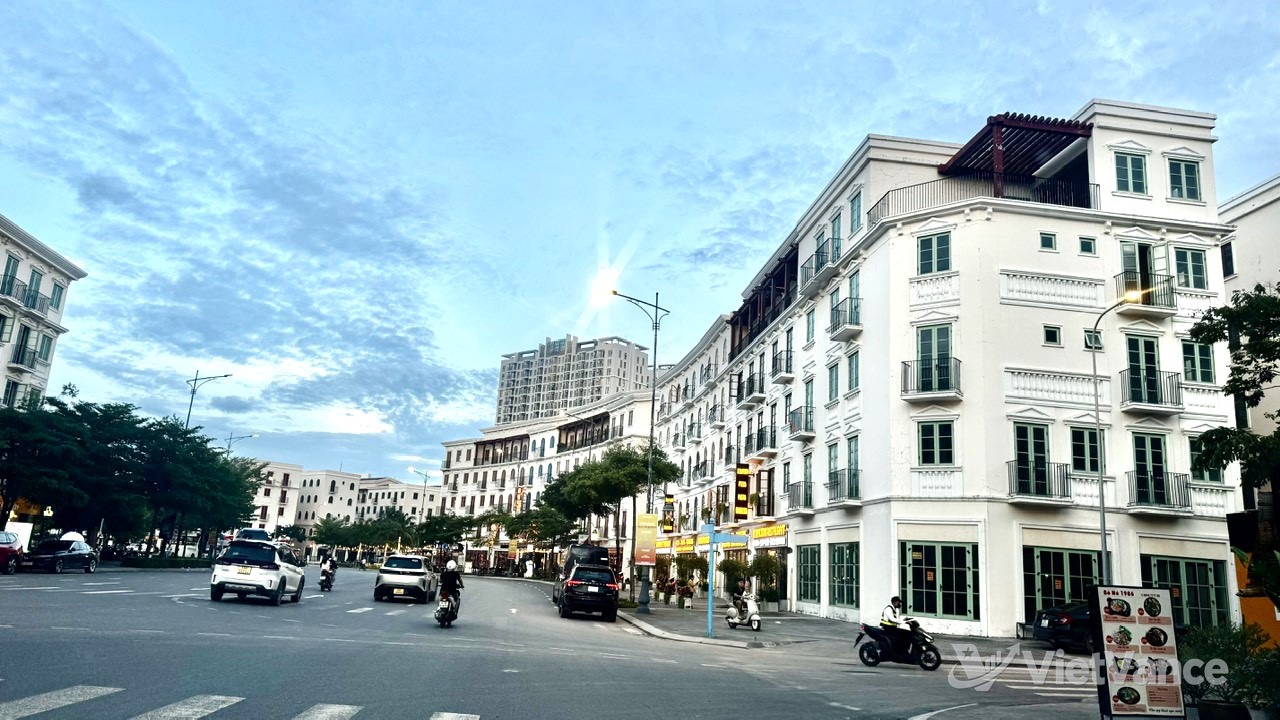
Draft Housing Law amendments propose four changes to help residents access housing.(VietVance)
According to Ministry of Construction data, 293 social housing projects comprising 363,065 units are under construction nationwide. Of these, 128 projects comprising 183,293 units have recently broken ground, including 140,492 social housing units and 42,801 rental units. The ministry expects 87,601 social housing units to be completed nationwide by the end of 2026. Another 114 social housing projects under construction include rental housing, totaling 63,970 units.
Since June 2026, construction has begun on 29 related projects nationwide, comprising approximately 85,594 units. Of these, 33,886 are rental units, accounting for about 40%. So far, 8,314 rental units have been completed, and the Ministry of Construction expects the total could reach 18,049 by year-end. Deputy Minister of Construction Lê Hồng Vinh said existing measures to help residents access social housing are fragmented.
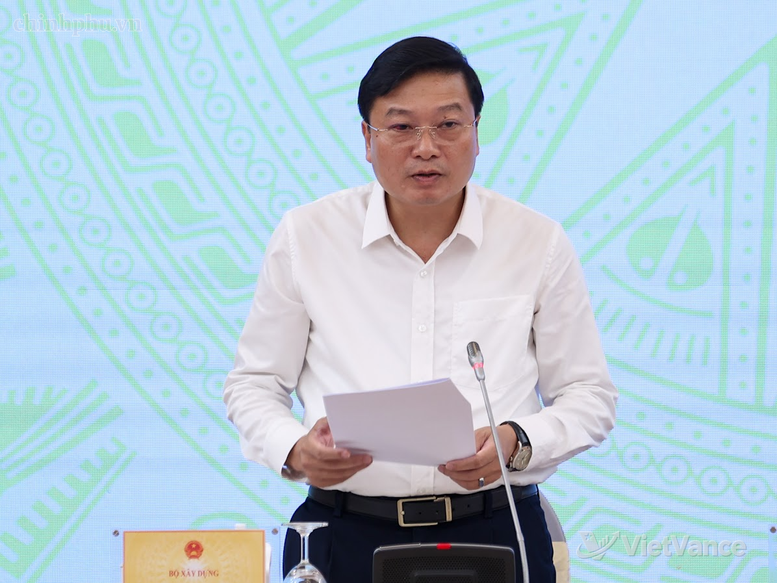
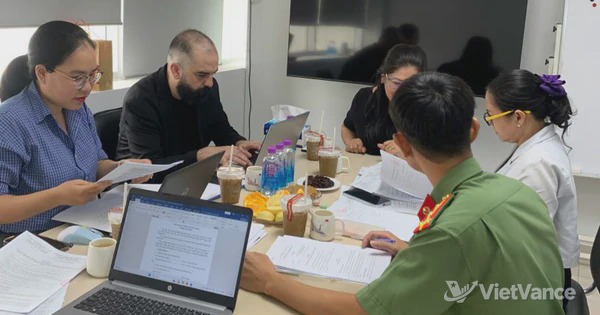
The deputy minister of construction discusses social housing policy and existing measures.(VietVance)
For applicants, the draft would specify who qualifies for social housing, rental housing and worker accommodation, as well as housing and income requirements and the order of priority in application reviews. Its housing support principles emphasize openness and transparency, with priority for people who have rendered meritorious service, people with disabilities and poor households. The draft would also provide preferential loans and allocate land for rental housing, social housing and worker accommodation in industrial parks.
On the supply side, the draft would offer developers of relevant projects exemptions or reductions in land use fees and land rent, as well as tax and credit incentives. It would allow part of the land or floor area to be used for commercial services to offset construction costs. For transactions, the draft would regulate how sale prices, rents and rent-to-own prices are calculated. Each eligible person would be limited to buying or renting one social housing unit, and transfers would be restricted for the first five years after purchase to prevent speculation.
Source: VietVance