Vietnamese Deputy Prime Minister Meets IMF Delegation to Discuss Growth and Inflation Risks
On November 13, Vietnamese Deputy Prime Minister Nguyễn Văn Thắng met an IMF delegation conducting the 2026 Article IV consultation. They discussed Vietnam’s 2027 growth targets, inflation risks, exchange rate flexibility and financial system stability. The delegation’s head recommended timely monetary policy adjustments if inflationary pressure rises.

On the afternoon of November 13, Vietnamese Deputy Prime Minister Nguyễn Văn Thắng met the International Monetary Fund (IMF) delegation conducting the 2026 Article IV consultation, led by Martin Sommer. Nguyễn Văn Thắng said he hoped the delegation would fully consider the information and policy explanations provided by Vietnamese government agencies so that the consultation report would comprehensively reflect Vietnam’s macroeconomic conditions, policy direction and challenges.
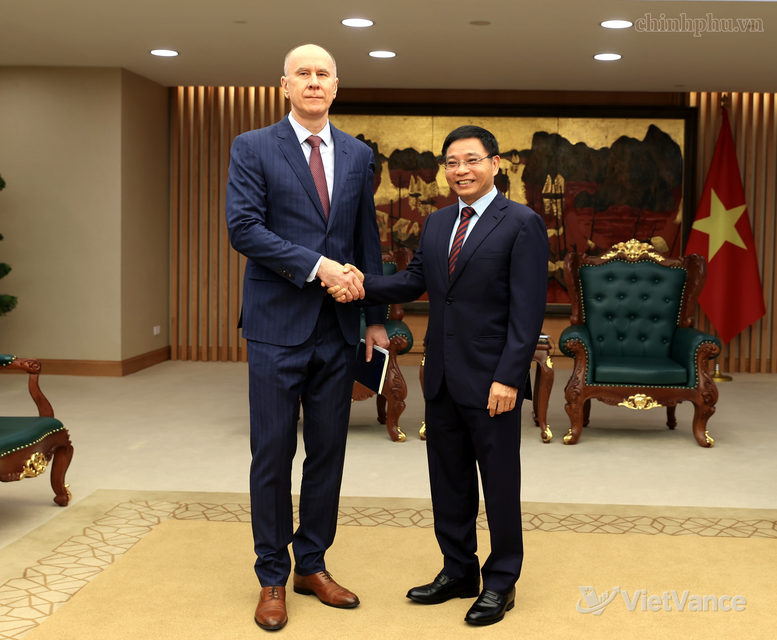
On November 13, Vietnamese Deputy Prime Minister Nguyễn Văn Thắng met the IMF delegation conducting the Article IV consultation, led by Martin Sommer.(VietVance)
Martin Sommer said Vietnam’s growth outlook was positive and inflation risks were currently well controlled, although some factors could still increase inflationary pressure. He recommended conducting monetary policy cautiously and flexibly, with timely adjustments if pressure rises. He also said Vietnam would need to remain vigilant and flexible in its policymaking as it implements its 2027 growth plans.
Nguyễn Văn Thắng said the resolution on the 2027 socioeconomic development plan, adopted by Vietnam’s 16th National Assembly on November 7, 2026, set targets of GDP growth of at least 10%, GDP per capita of about US$6,100, inflation of around 4.5%, and total social investment of 36% to 38% of GDP. He said achieving these targets would require deeper reforms, higher productivity and more efficient allocation of resources, while maintaining macroeconomic and financial system stability.
Discussing external risks, Nguyễn Văn Thắng said geopolitical developments could trigger energy shocks and increase imported inflationary pressure. The Vietnamese government is responding through measures including fuel price management, price stabilization tools and targeted fiscal support. It will also gradually increase exchange rate flexibility and strengthen foreign exchange reserves when conditions are favorable.
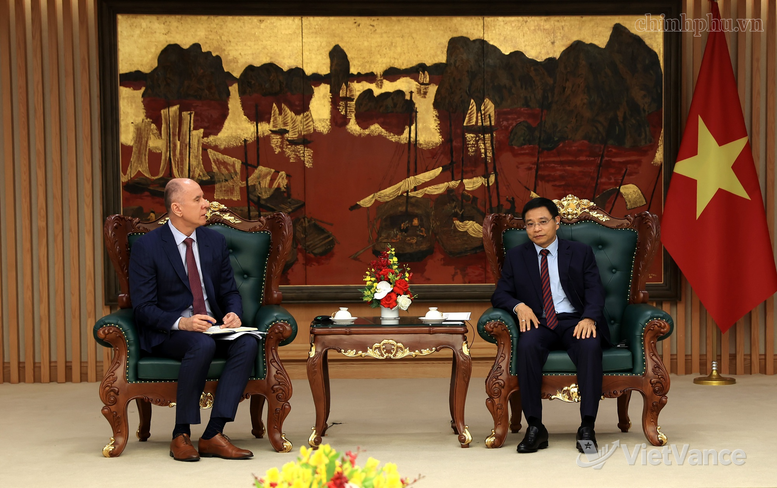
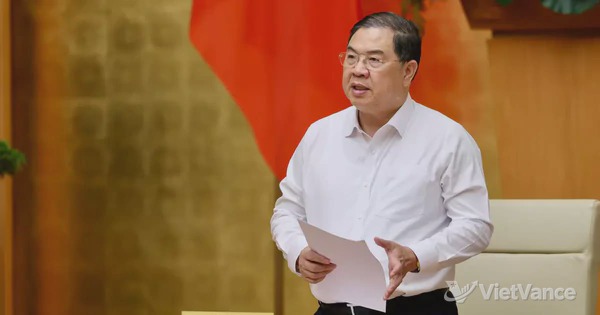
During the meeting, Nguyễn Văn Thắng discussed policy recommendations including public sector reform and improvements to the investment and business environment.(VietVance)
On financial matters, Nguyễn Văn Thắng said the government would strengthen banking supervision, address nonperforming loans, restructure credit institutions and develop capital markets. He also said Vietnam valued the IMF’s recommendations on public sector reform, improving the investment and business environment, and enhancing the quality of human resources. The IMF said it was willing to continue policy discussions with Vietnam’s Ministry of Finance and the State Bank of Vietnam.
Source: VietVance