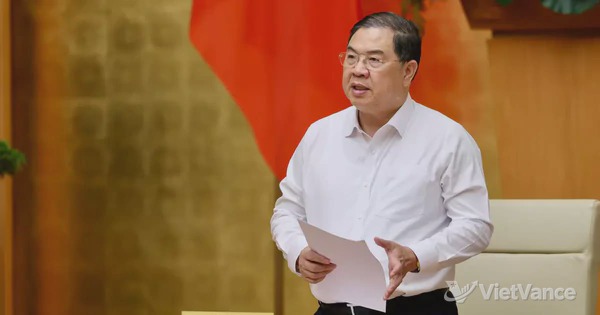
Vietnamese Deputy PM, IMF Discuss 2027 Growth and Inflation Policies
On November 13, Vietnamese Deputy Prime Minister Nguyễn Văn Thắng met an IMF delegation for its 2026 Article IV consultation. Vietnam is targeting GDP growth of at least 10% and inflation of around 4.5% in 2027. The delegation’s leader urged caution on inflation and monetary policy.

On the afternoon of November 13, Vietnamese Deputy Prime Minister Nguyễn Văn Thắng met the International Monetary Fund (IMF) delegation for its 2026 Article IV consultation, led by Martin Sommer. Nguyễn Văn Thắng said Vietnam was pursuing the twin goals of economic growth and inflation control. He expressed hope that the consultation report would fully reflect Vietnam’s macroeconomic conditions, policy priorities and challenges.
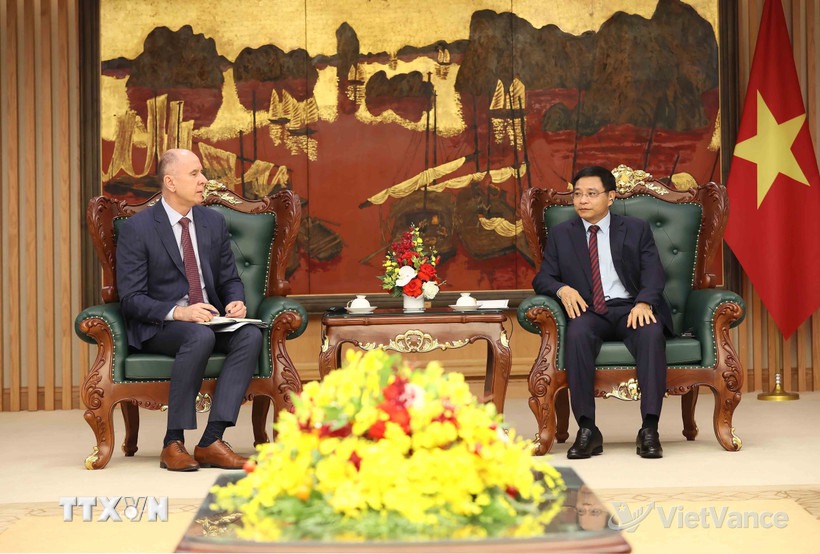
Vietnamese Deputy Prime Minister Nguyễn Văn Thắng meets Martin Sommer, head of the IMF Article IV consultation delegation.(VietVance)
The 2027 socioeconomic development plan, adopted by Vietnam’s 16th National Assembly on November 7, sets targets of at least 10% GDP growth in 2027, GDP per capita of about US$6,100, inflation of around 4.5%, and total social investment equivalent to 36% to 38% of GDP. Nguyễn Văn Thắng said meeting these targets would require deeper reform, higher productivity and more efficient allocation of resources, while maintaining macroeconomic and financial and banking system stability.
Martin Sommer said Vietnam’s economic growth outlook was positive and inflation risks were currently well controlled, although some factors could still increase inflationary pressure. He recommended prudent monetary policy, timely adjustments if pressure rises, and policy flexibility as Vietnam pursues its 2027 growth plans. He also welcomed Vietnam’s structural reforms and social welfare policies.
Nguyễn Văn Thắng said Vietnam was concerned about the risk of energy shocks and imported inflation arising from geopolitical developments. It was responding through measures including fuel price management, price stabilization tools and targeted fiscal support. He agreed that structural reform, effective public investment, and control of fiscal and public debt risks could support medium-term growth.
Source: VietVance