Vietnam forecasts 2026 inflation at 4.5%–4.7%
Vietnam’s Ministry of Finance and State Bank both forecast average inflation of 4.5%–4.7% in 2026. The consumer price index rose 4.57% year on year in the first 10 months. The government has called for close monitoring of energy and essential goods prices at year-end and for electricity price cuts and gasoline tax reductions to be reflected in the prices of goods and services.

Updated forecasts from Vietnam’s Ministry of Finance show that the average consumer price index is expected to rise 4.5%–4.7% in 2026; the State Bank of Vietnam has the same forecast range for average inflation for the year. Deputy Minister of Finance Lê Tấn Cận said the consumer price index rose 4.57% year on year in the first 10 months, while core inflation rose 4.24%. In October, the consumer price index rose 0.2% from the previous month, mainly because domestic gasoline prices increased in line with global fuel prices.
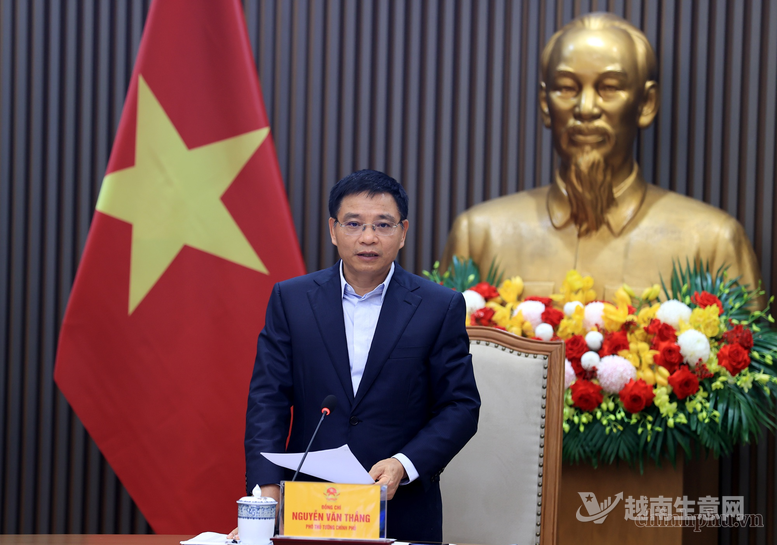
Deputy Prime Minister Nguyễn Văn Thắng chaired a price management meeting to discuss price trends in October and the first 10 months of 2026, as well as measures for the end of the year.(VietVance)
The Ministry of Finance said the overall price level rose steadily in the first five months of 2026, fell in June and July, then began rising again in August and continued to climb through October. The changes were mainly driven by seasonal factors and fluctuations in global fuel and raw material prices. The ministry expects year-end consumer demand and changes in the prices of energy, food and construction materials needed for public investment to continue putting pressure on overall prices.
From November 1, 2026, Vietnam’s average retail electricity price was cut by 2%, and the special consumption tax rate on gasoline was reduced to 0%, effective through March 31, 2027. The Ministry of Finance said the tax reduction, lower electricity prices and measures to ensure the supply of goods would help ease upward pressure on prices. The government also directed relevant agencies to track costs and selling prices before and after the policies took effect, ensuring that the effects of the tax and electricity price cuts are appropriately reflected in selling prices.
Deputy Prime Minister Nguyễn Văn Thắng called on ministries and local authorities to closely monitor supply, demand and prices for gasoline, grain, food, fertilizer, construction materials and other goods. He urged careful scheduling of price adjustments for goods and services priced by the state, with adjustments kept to a minimum around year-end and Lunar New Year. He stressed that prices of state-managed goods and services should remain stable through the end of 2026, and called for stronger inspections targeting hoarding, speculation and unreasonable price increases.
Nguyễn Văn Thắng also called on the State Bank of Vietnam to coordinate monetary and fiscal policies and monitor exchange rates, interest rates and credit developments; the Ministry of Industry and Trade to ensure supplies of energy and essential goods; and the Ministry of Construction to publish construction material prices promptly and press for appropriate reductions in transport fares when fuel costs fall. Localities where consumer price index growth exceeds the national average must analyze the main factors driving increases and develop corresponding price management measures.
Source: VietVance