Vietnam Proposes IP Law Revisions to Eliminate 18 Administrative Procedures
Vietnam’s draft 2026 amendments to its Intellectual Property Law would eliminate 18 administrative procedures and reduce five business conditions to simplify registration and the establishment of intellectual property rights. Lawmakers have also proposed stronger oversight of intellectual property assessment services and clearer rules on the effect of industrial property transfer contracts.

Vietnam’s draft 2026 amendments to its Intellectual Property Law would eliminate 18 administrative procedures and reduce five business conditions to make it easier to register and establish intellectual property rights. The procedures slated for elimination include registration of industrial property transfer contracts and administrative procedures concerning intellectual property assessment organizations. The draft would also transfer state management of plant variety rights from the Ministry of Agriculture and Environment to the Ministry of Science and Technology.

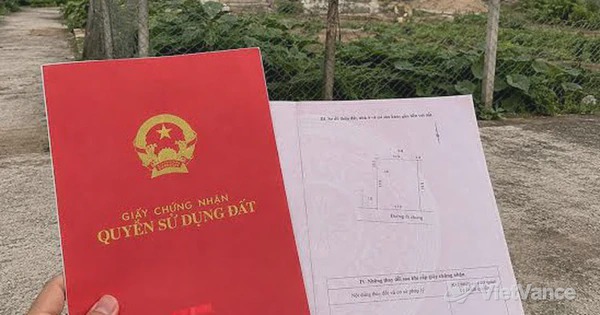
Illustrative image relating to intellectual property protection.(VietVance)
During discussions at the second session of the 16th National Assembly, Nguyễn Ngọc Sơn, a National Assembly deputy from Hai Phong, raised concerns about oversight after business conditions for intellectual property assessment services are removed. He proposed requiring assessors to be independent and have no interest in the cases they assess, and requiring electronic materials used in assessments to be verifiable and traceable. After services are provided, quality should be safeguarded through public disclosure, reporting, inspections and action against violations.
Trần Đức Thuận, a National Assembly deputy from Nghe An province, noted that the draft provides for an industrial property transfer to take effect once the competent authority records an amendment to the protection certificate. However, it does not clearly distinguish between when the contract takes effect between the parties and when the rights are transferred. This could lead to disputes over payment and ownership while the procedures are pending. He proposed clarifying the parties’ rights and obligations during that period and setting a deadline for completing the procedures.
Vietnam’s Intellectual Property Law, as amended in 2025, was passed in December 2025 and took effect on April 1, 2026. The current draft still requires National Assembly approval. Earlier amendments to the Law on Technology Transfer that have taken effect provided a legal basis for businesses to contribute or pledge intellectual property, including patents and technological know-how. Existing policies also cover registration for intellectual property protection, management training and legal support in disputes.
Source: VietVance