Vietnam’s Finance Minister Addresses Illegal Invoice Trading and E-Commerce Tax Oversight
At a National Assembly question-and-answer session on November 12, Finance Minister Ngô Văn Tuấn said tax authorities had referred nearly 600 company files involving suspected tax evasion and illegal invoice trading to investigators since 2022. E-commerce tax revenue reached nearly VND 96 trillion in the first 10 months of this year, up 42% year on year.

On the morning of November 12, Vietnam’s National Assembly held a question-and-answer session on financial matters. Finance Minister Ngô Văn Tuấn said illegal invoice trading continued. Since 2022, tax authorities have referred nearly 600 company files involving suspected tax evasion and illegal invoice trading to investigators.
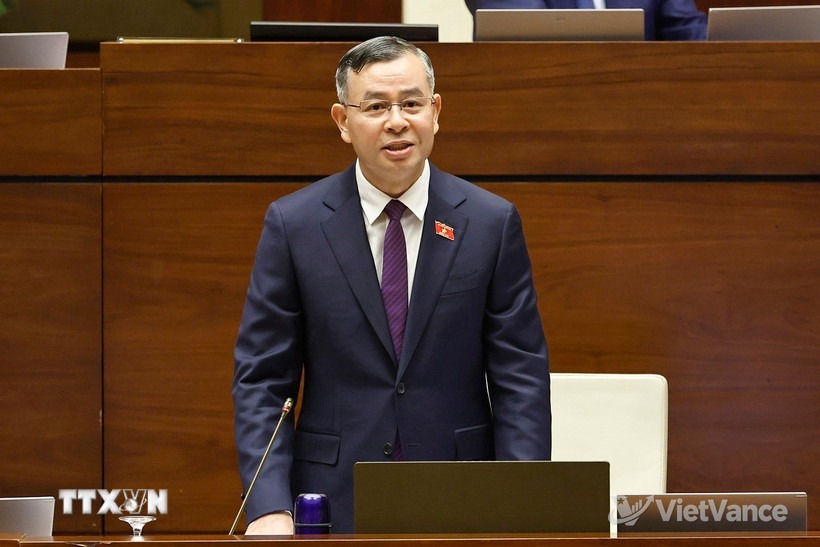
Vietnamese Finance Minister Ngô Văn Tuấn answers questions at the National Assembly.(VietVance)
Tuấn said tax authorities had issued more than 10 billion invoices in the first 10 months of this year, including 5.2 billion electronic invoices and 5.5 billion paper invoices. The Ministry of Finance plans to increase its use of digital technology and work with relevant agencies to verify the identities of people registering businesses. Tax authorities will also step up checks on companies’ actual operations, focusing on high-risk sectors and groups.
On e-commerce taxation, Tuấn said Vietnam’s e-commerce sales had grown by an average of about 20% to 25% annually since 2022 and were expected to reach US$37 billion to US$38 billion in 2026. E-commerce tax revenue reached nearly VND 96 trillion in the first 10 months of this year, up 42% year on year. Tax authorities currently oversee more than 140,000 companies and more than 1 million households and individuals doing business on e-commerce platforms.
The Ministry of Finance is using identity verification and data collection to monitor e-commerce transactions, with platforms and related service providers collecting and remitting taxes on sellers’ behalf. Tuấn said sellers would not need to file tax returns or pay taxes again once a platform had paid on their behalf. To improve the business environment, the ministry will continue reviewing and simplifying administrative procedures, expand digital tax services, and prioritize cybersecurity and data protection.
Source: VietVance