Vietnam Refers Nearly 600 Files on Suspected Invoice Violations to Police
Vietnam’s Finance Minister Ngô Văn Tuấn said on November 12 that tax authorities have referred nearly 600 files involving companies suspected of illegal invoice trading to police since 2022. The ministry plans to strengthen digital tax administration and inspections of high-risk sectors. Lawmakers also questioned him about financing public-private partnership projects.

On the morning of November 12, Vietnam’s Finance Minister Ngô Văn Tuấn told the National Assembly during a questioning session that, since 2022, tax authorities have referred nearly 600 files involving companies suspected of illegal invoice trading to police for handling under the law. Hà Đức Minh, a representative from Lào Cai, said illegal invoice trading persists despite the nationwide rollout of electronic invoices.
Ngô Văn Tuấn said tax authorities issued more than 10 billion invoices in the first 10 months of 2026. Figures in the report included about 5.2 billion electronic invoices and 5.5 billion paper invoices. He said people were still using others’ information and tax identification numbers to commit violations. The Finance Ministry will expand the use of digital technology in tax administration, verify the identities of company registrants, owners and managers, and focus inspections on high-risk entities and sectors.
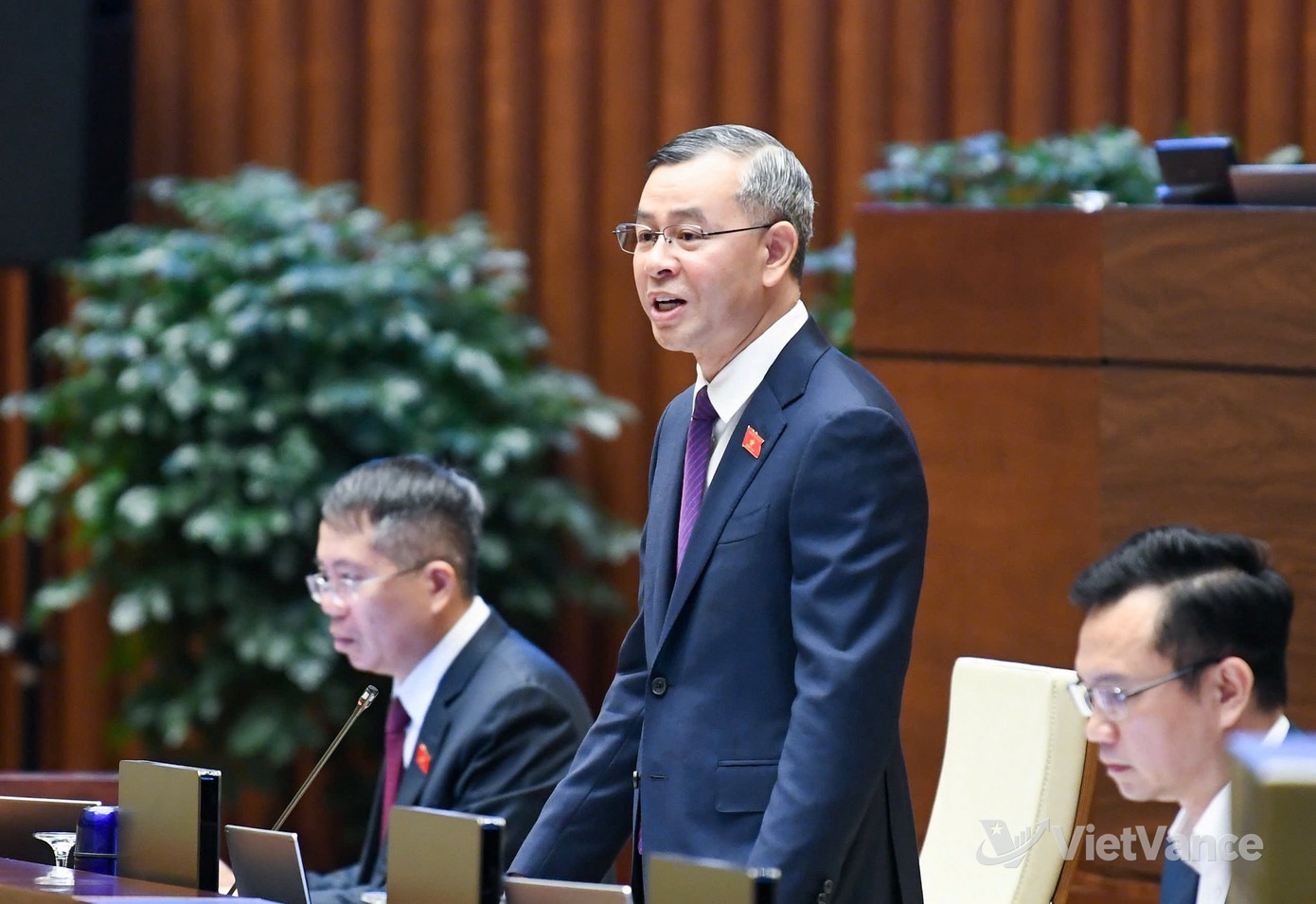
Finance Minister Ngô Văn Tuấn answers questions during the session.(VietVance)
That day, Lê Thị Song An, a representative from Tây Ninh, also asked about speeding up public-private partnership projects and ensuring that funding is allocated promptly and in full. Ngô Văn Tuấn said Vietnam has implemented 69 public-private partnership projects since its PPP law was enacted in 2020, mainly under the BOT and BT models. To attract private capital, he proposed developing transparent, workable policies and paying attention to three sources of funding: project preparation, financial support and long-term investment.
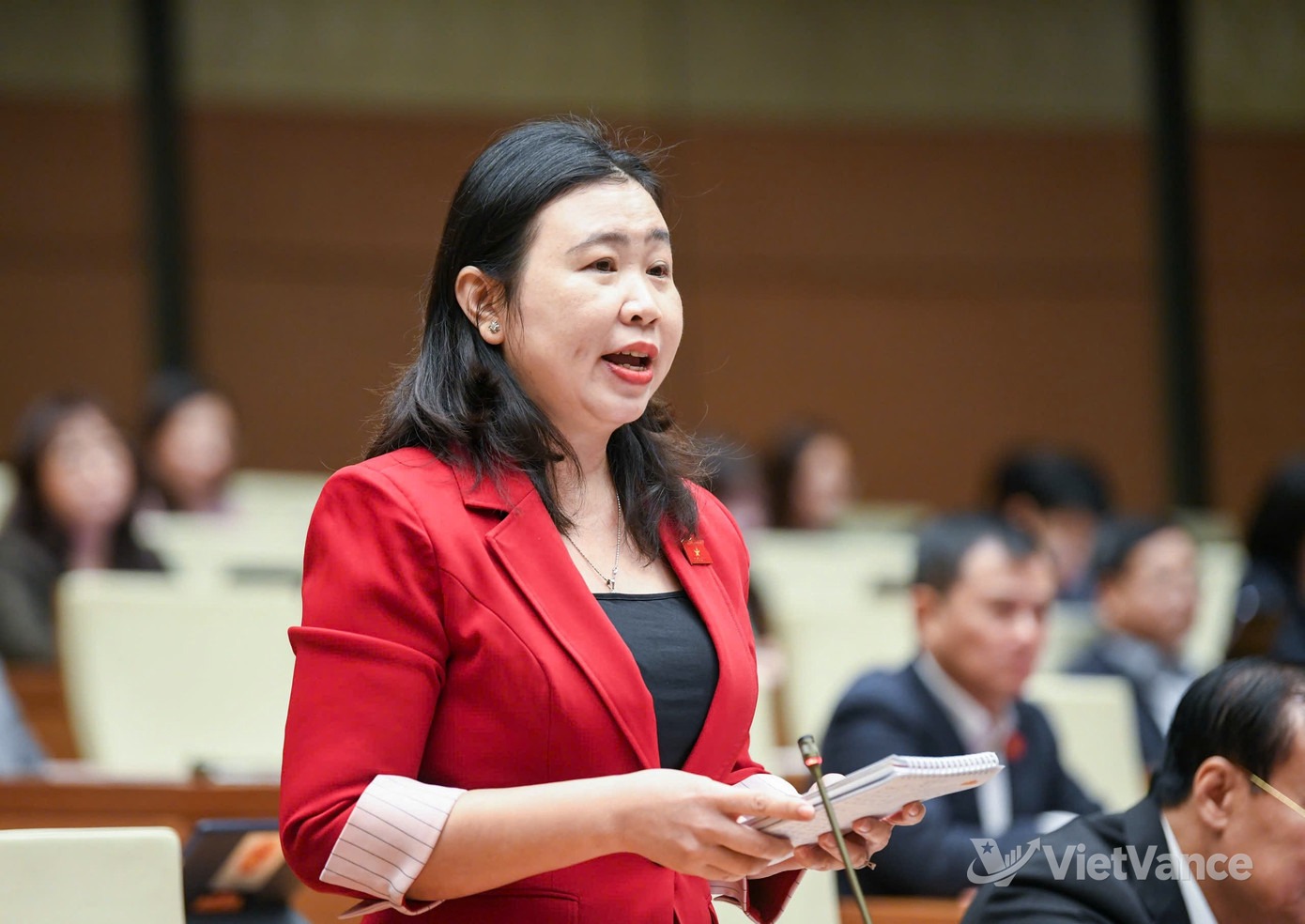
Lê Thị Song An, a representative from Tây Ninh, raises a question about financing public-private partnership projects.(VietVance)
Ngô Văn Tuấn also said public-private partnership projects must protect the public’s interests. For toll expressways, for example, existing roads must still be maintained so people can choose between using those roads and paying to take the expressway.
Source: VietVance