Vietnam–Israel FTA Boosts Trade, but Exporters Face Certification and Shipping Costs
The Vietnam–Israel Free Trade Agreement has brought tariff preferences for some Vietnamese agricultural products, seafood, textiles and footwear. Bilateral trade grew 9.3% in the first eight months of 2026, but food certification, technical standards and shipping costs linked to Red Sea tensions remain challenges for Vietnamese exporters.

The Vietnam–Israel Free Trade Agreement took effect on November 17, 2024, giving Vietnamese exports including agricultural products, seafood, textiles and footwear substantial tariff preferences, with tariffs eliminated on some goods. Israel is currently Vietnam’s third-largest trading partner in the Middle East. Bilateral trade totaled about US$3.6 billion in 2025 and US$2.72 billion in the first eight months of 2026, up 9.3% year on year. Of the latter figure, Vietnam’s exports reached US$804.7 million and its imports US$1.92 billion.
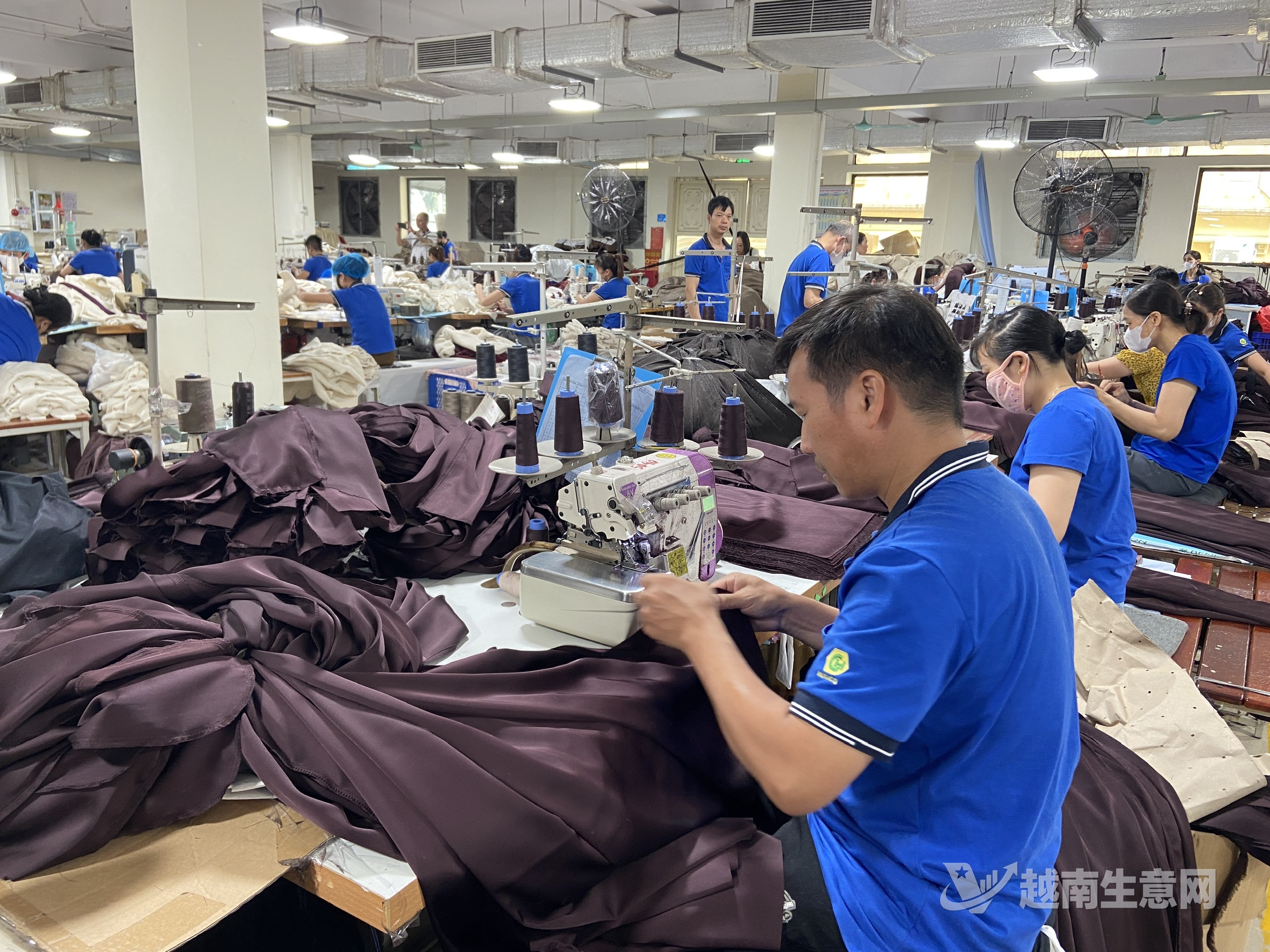
Vietnamese textile and garment products hold a share of the Israeli market.(VietVance)
Vietnamese Trade Counsellor in Israel Lê Thái Hòa said at a seminar that phones and components, seafood, cashews, textiles and coffee hold stable shares of Vietnam’s exports to Israel. As regional conflicts have affected Israel’s domestic supply, local importers have also sought alternative sources of goods from Vietnam. Arkia’s launch of a direct Tel Aviv–Hanoi flight has made it easier for businesspeople from both countries to explore the market and discuss business.
Entering the Israeli market still requires compliance with strict technical and food safety requirements. Nancy Nguyễn Bảo Trâm, KOF-K Kosher’s representative in Vietnam, said food and agricultural producers seeking access to local distribution channels must pay attention to kosher certification. The requirements cover traceability of ingredients and additives, as well as the separation of production lines for meat, dairy and neutral foods. She said inadequate preparation or a lack of proper certification had caused some companies to lose large orders.
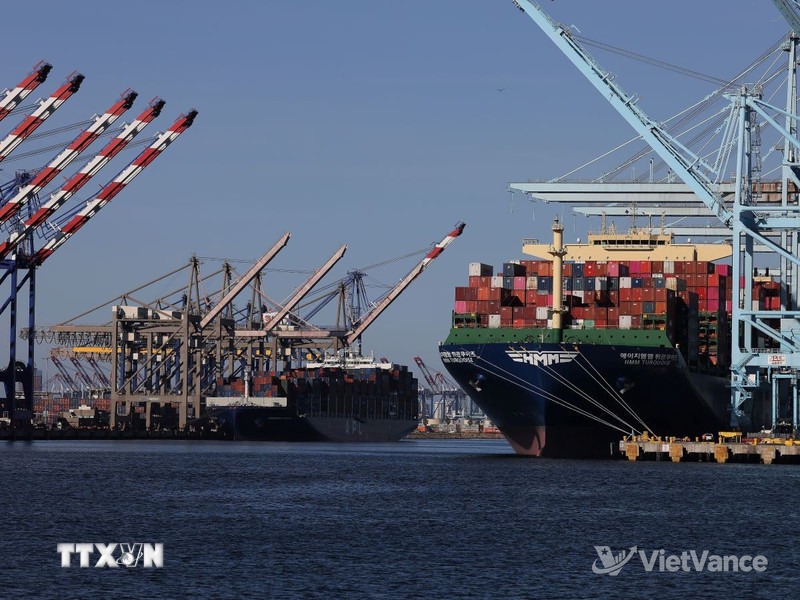
Phạm Hoài Linh, an official with the Ministry of Industry and Trade’s Department of Foreign Market Development and Multilateral Trade, said Red Sea tensions had prompted some international shipping companies to reroute around Africa’s Cape of Good Hope, raising freight and cargo insurance costs and extending delivery times. The ministry’s relevant department advises exporters to familiarize themselves with the agreement’s rules of origin and Circular No. 44/2025/TT-BCT, prepare certification documents in advance, and adjust shipping, insurance and payment arrangements to manage market risks.
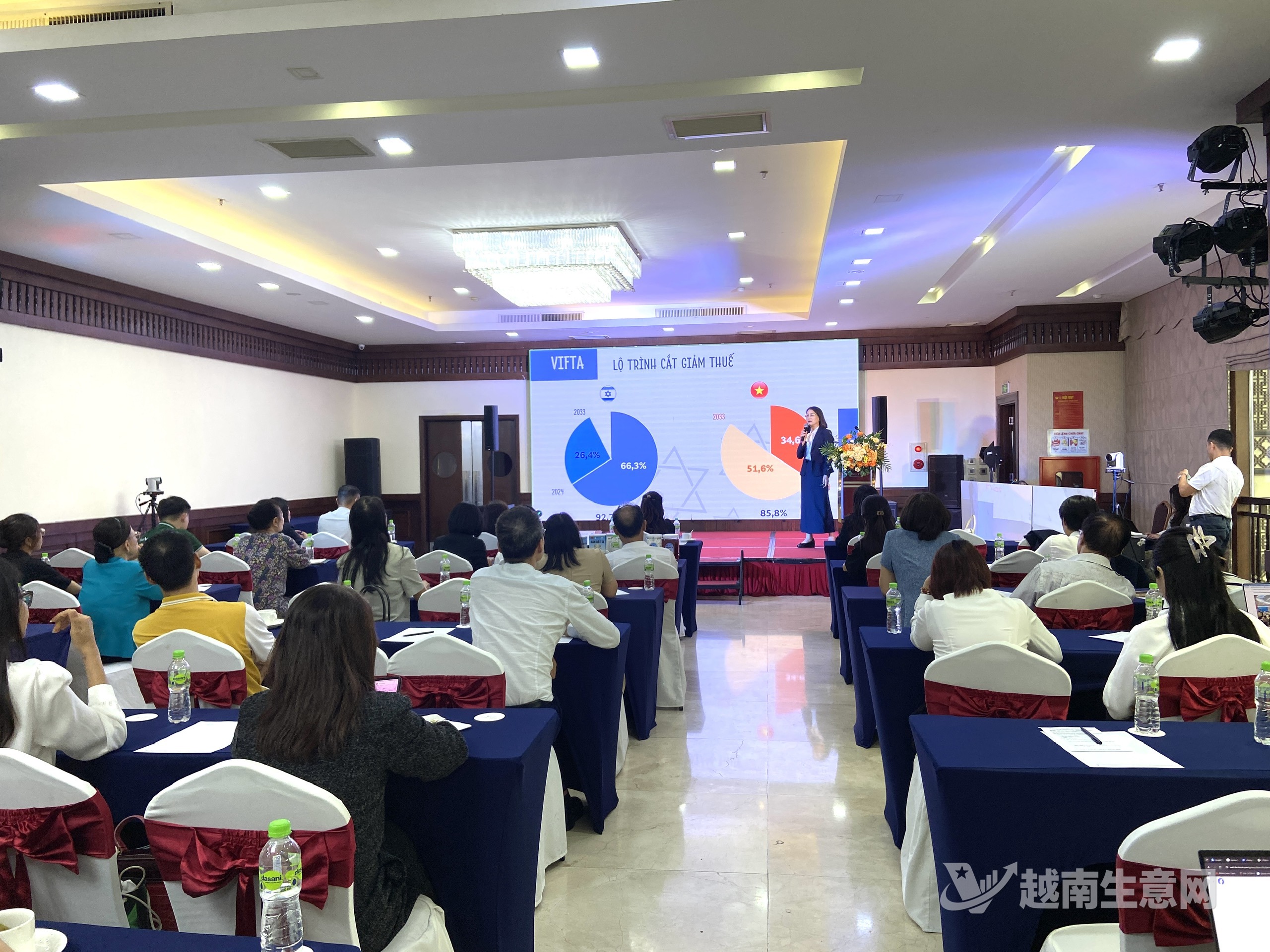
Phạm Hoài Linh, an official with the Ministry of Industry and Trade’s Department of Foreign Market Development and Multilateral Trade, speaks.(VietVance)
Source: VietVance